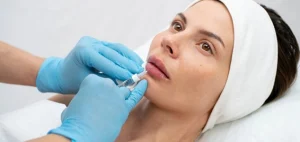



Botox, originally approved by the FDA in 2002 for cosmetic use, has a history that dates back to the late 1970s when it was first used medically to treat muscle spasms. It is a purified form of botulinum toxin type A, a neurotoxin that works by temporarily blocking nerve signals to muscles, causing them to relax. This relaxation effect is what makes Botox treatment NYC useful for various cosmetic applications, including the treatment of jowls. Jowls develop due to sagging skin and underlying tissues along the jawline, often exacerbated by the contraction of muscles like the platysma, which pulls the skin downward. By injecting Botox into these muscles, their activity can be reduced, which may help soften downward pull along the jawline and improve the appearance of mild sagging jowls. This minimally invasive approach can provide subtle facial rejuvenation without the recovery associated with surgery. Botox has an established role in aesthetic medicine as an FDA-approved treatment for several cosmetic indications, supported by clinical research demonstrating its ability to temporarily reduce targeted muscle activity (see FDA Botox Approval). For patients whose jowl appearance is partly influenced by muscle activity, Botox may offer a customizable treatment option that can help improve jawline definition and facial balance with minimal downtime.
What are Botox for jowls and what does Botox do?
Botox for jowls is a non-surgical treatment used to improve mild jowling when downward muscle pull contributes to a less-defined jawline. Jowls are the sagging or drooping areas that develop along the lower jaw, often due to a combination of aging, reduced skin elasticity, volume loss, and changes in the tissues that support the lower face.
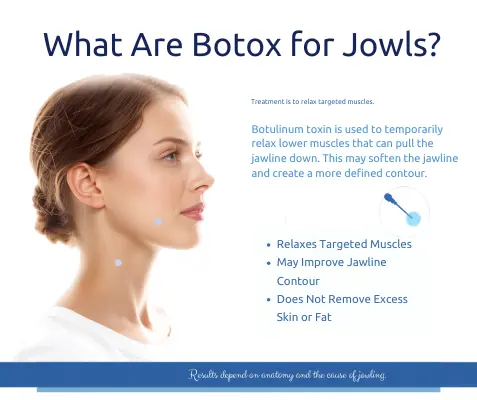
For jowls, Botox is used to temporarily relax specific muscles that pull the lower face downward, particularly portions of the platysma muscle along the jawline and neck. Reducing this downward muscle activity can soften the appearance of early jowls and make the jawline look smoother and more defined. Botox does not physically tighten loose skin, replace lost facial volume, or remove fat from the jowls. This means it works best when muscle pull is contributing to the jowling rather than when significant skin laxity or tissue descent is the main cause. The improvement is generally subtle and temporary, with the goal of improving jawline contour rather than eliminating jowls completely.
Does Botox Help Jowls?
Yes, Botox helps with jowls by relaxing the muscles that cause sagging skin along the jawline. It targets muscles like the platysma, which pull the skin downward and create the appearance of drooping jowls. By temporarily reducing the activity of these muscles, Botox lifts and tightens the skin, resulting in a smoother and more defined jawline.
Can Botox help lift sagging jowls?
Botox can help with sagging jowls by relaxing the muscles that contribute to the sagging, but it is generally more effective for smaller, targeted areas. For significant lifting, other treatments like fillers or surgery might be recommended.
What Causes Sagging Jowls?
- Loss of skin elasticity: Collagen and elastin gradually decrease with age, making the skin less firm and more likely to sag along the jawline.
- Facial volume loss: Loss of fat and structural support in the cheeks and midface can allow tissues to shift downward toward the lower face.
- Downward muscle pull: Muscles such as the platysma can contribute to downward tension along the jawline, making mild jowls appear more noticeable.
- Changes in facial fat: Fat pads can shrink, descend, or redistribute with age, contributing to fullness and sagging around the lower jaw.
- Weakening facial support structures: Ligaments and other tissues that hold the face in position can loosen over time, allowing the lower face to droop.
- Genetics: Some people are more likely to develop jowls earlier because of inherited facial structure, skin quality, and aging patterns.
- Sun exposure: Long-term UV exposure can accelerate collagen breakdown and skin laxity, making jowling more prominent.
- Weight changes: Significant weight loss or repeated weight fluctuations can leave the skin with less support and contribute to sagging.
- Natural aging: Jowls usually develop from a combination of several age-related changes rather than one single cause.
How To Get Rid of Jowls With Botox?
Botox improves the appearance of jowls by relaxing specific muscles that pull downward on the lower face and jawline. The treatment targets portions of the platysma muscle, reduces downward muscle activity, and creates a smoother, more defined jawline. Botox serves as a non-surgical jowl treatment for sagging around the lower face. The procedure uses strategically placed injections and requires minimal downtime. Results develop gradually over several days and remain temporary, with the duration varying from person to person.
Can Botox Fix Jowls?
Yes, Botox can improve the appearance of mild jowls in some patients, but it does not directly remove or permanently fix jowls. Botox works best when part of the jowl appearance is caused by muscles that pull the lower face and jawline downward, especially the platysma muscle in the neck. By temporarily relaxing selected areas of this muscle, Botox can reduce downward tension along the jawline and make the lower face appear slightly smoother, lifted, and more defined. However, jowls can develop for several different reasons, including loose or sagging skin, loss of facial volume, changes in facial fat, weakening of supportive tissues, and age-related descent of the cheeks and lower face. Botox does not tighten significant loose skin, replace lost volume, or remove fat. Therefore, if these structural changes are the main cause of the jowls, Botox alone is unlikely to produce a major improvement. Botox is most suitable for patients with early or mild jowling where muscle activity contributes to the downward pull of the jawline. Results are usually subtle rather than dramatic and develop gradually as the treated muscles relax. Patients with moderate to severe skin laxity or more pronounced jowls may need other treatments that address skin, volume, or deeper facial tissues.
The most important step is determining why the jowls are present. A clinical assessment can identify whether the problem is mainly related to muscle pull, loose skin, volume loss, fat distribution, or a combination of these factors, and whether Botox is likely to provide a noticeable benefit.
Botox
For sagging jowls, Botox is a popular non-surgical treatment that helps lift and define the jawline. Botox works by relaxing the muscles that cause the skin to sag, giving the lower face a smoother, more youthful appearance. It’s an ideal option for those experiencing mild to moderate sagging and looking for a solution without surgery. The procedure is quick, easy, and requires no downtime, so you can get back to your daily routine right away. Botox results begin to show in 3 to 5 days, with full effects visible within 10 to 14 days, and the results typically last 3 to 4 months.
How Many Units of Botox For Jowls?
The number of Botox units required for treating jowls is 20 to 50 units in total, depending on factors such as the severity of sagging, muscle strength, and individual anatomy. While specific dosing guidelines for jowl treatment are not universally standardized, several sources provide insights into typical unit ranges for related areas, which can help estimate the necessary dosage for jowl treatments.
Platysma Bands and Jawline Treatments:
- For treating platysma bands (muscles extending from the jawline to the neck), the recommended Botox dosage ranges from 26 to 36 units in total, depending on the number of bands treated.
- For jawline contouring, Botox injections are typically administered into the masseter muscles, with dosages ranging from 15 to 50 units per side, depending on the desired effect and individual muscle characteristics.
How Long Does Botox For Jowls Last?
Botox for jowls typically lasts about 3 to 4 months. The treatment works by temporarily reducing activity in targeted muscles, such as the platysma, which can lessen downward pull and improve jawline definition. Results are not permanent, and as Botox gradually wears off, muscle movement returns and the jawline may begin to look closer to its pretreatment appearance. How long the effect lasts can vary depending on the dose used, muscle strength, treatment area, individual metabolism, and response to Botox. Patients who want to maintain the improvement may choose repeat treatments, usually after the effects begin to wear off.
How Much Does Botox For Jowls Cost?
The cost of Botox for jowls depends on the number of units used and the specific muscles being treated. The standard Botox NYC cost is $19 per unit, with a lower per-unit price available when more than 10 units are purchased. The total number of units varies because Botox for jowls may target muscles that pull the lower face downward, such as the depressor anguli oris or portions of the platysma. Botox does not directly remove loose skin or facial fat, so the amount used depends on whether muscle activity is contributing to the appearance of the jowls. At Dr. Syra Aesthetics & Longevity Institute in Manhattan, the final Botox cost is based on the total number of units used, with reduced per-unit pricing available for treatments requiring more than 10 units.
Where To Inject Botox for Jowls?
Botox injections for jowls use specific techniques to enhance facial structure and provide a lifting effect. By targeting key muscles, these injection points help support the jawline and reduce sagging.
Platysma Muscle (Neck and Jawline): Injected to relax the muscle that pulls the skin downward along the jawline and neck, helping to lift and tighten sagging skin.
Masseter Muscle (Jaw Muscle): Sometimes targeted to contour the jawline and reduce muscle tension that can contribute to sagging.
Depressor Anguli Oris: Injected to lift the corners of the mouth and improve the overall appearance of the jawline.
These injection points are carefully chosen to maximize lifting and contouring effects.
Botox For Jowls Before And After
Botox For Sagging Jowls Before and After
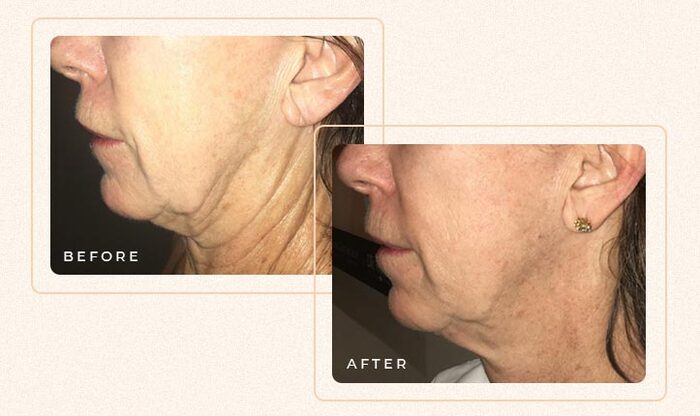
Botox for Jowls Before And After
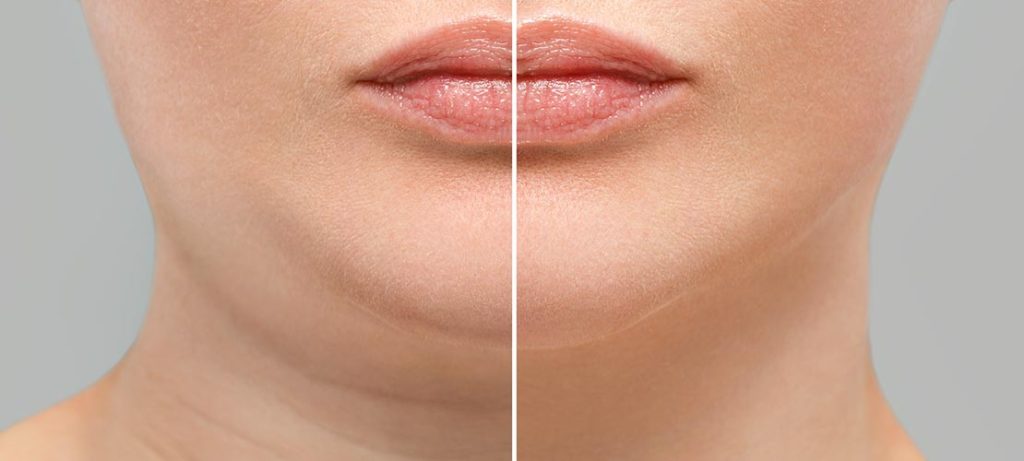
Saggy Cheeks Before and After
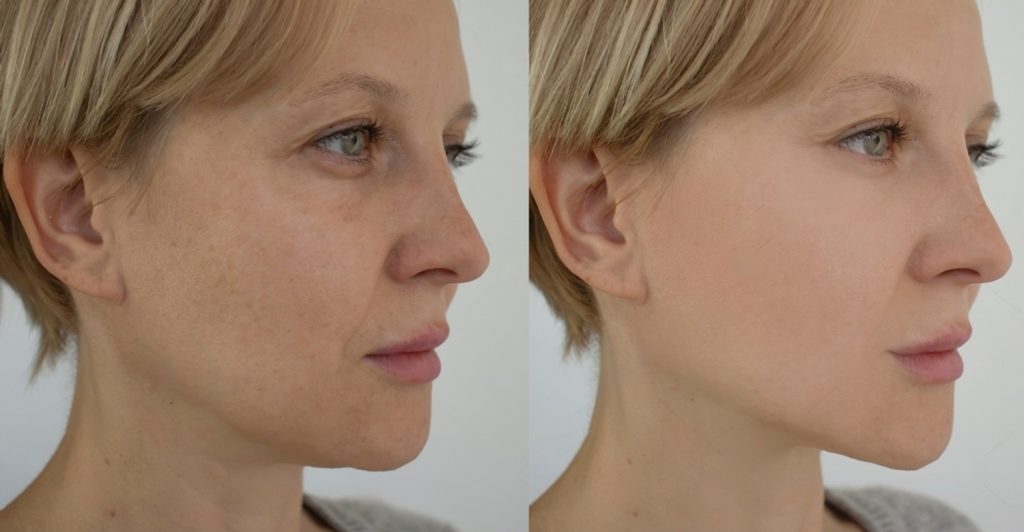
Botox For Neck Sagging Before and After
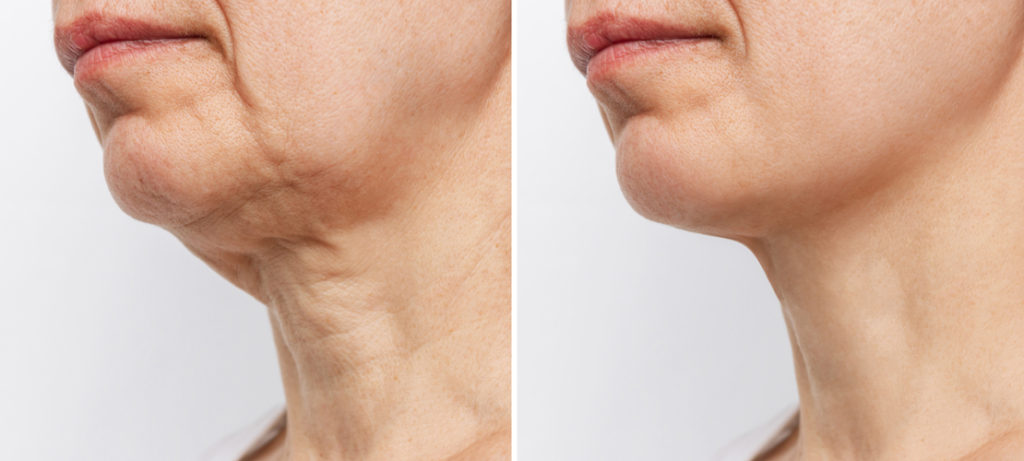
Botox For Jawline Before and After
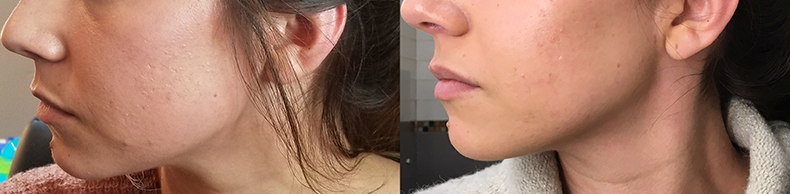
Botox In Chin Before and After
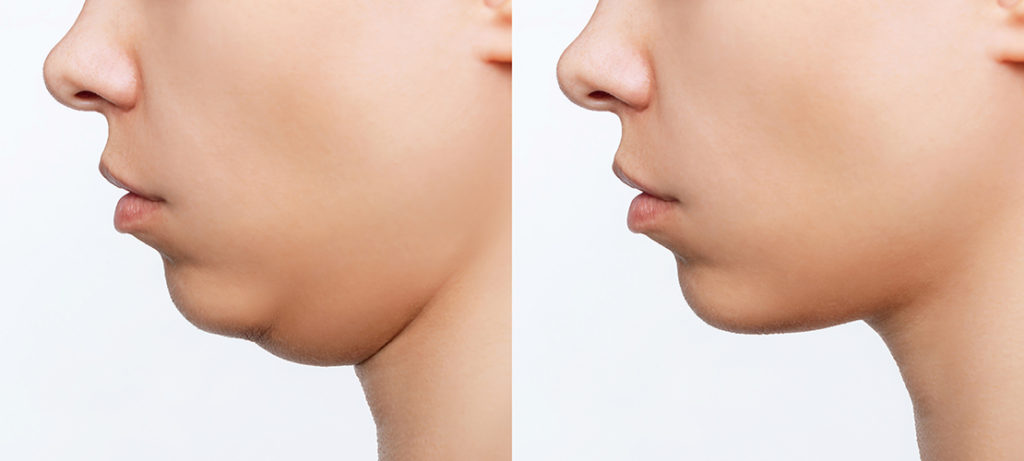
How Long Does Botox Last For Sagging Jowls?
What Are The Side Effects of Botox for Jowls?
The side effects of Botox for jowls are mild but can include the following:
- Bruising and Swelling
- Pain or Discomfort
- Muscle Weakness
- Asymmetry
- Headaches
- Numbness or Tingling
- Difficulty Swallowing or Speaking
These side effects are short-lived and resolve on their own. It’s important to have Botox administered by a qualified professional to minimize risks.
Whether you’re dealing with stubborn skin issues, fatigue, weight concerns, or just want to feel your best we’ve made it simple.
In under 60 seconds, our personalized treatment recommendation planner matches your symptoms to expert-recommended services across aesthetics, wellness, IV therapy, and longevity care. No pressure, just clear guidance.
Treatment Recommendation Planner
Who Should Get Botox vs. Not Get Botox for Jowls?
Botox may be appropriate for mild jowling caused partly by downward muscle pull, especially activity of the platysma around the jawline and neck. It is important to note that BOTOX Cosmetic is FDA-approved for platysma bands, not specifically for jowls, so treatment of jowling requires individualized clinical assessment.
| Who Is a Good Candidate for Botox for Jowls? | Who Is Not a Good Candidate? |
|---|---|
| Adults with mild or early jowling where downward muscle pull contributes to poor jawline definition | People whose jowls are caused mainly by significant loose or excess skin, since Botox does not remove skin |
| Patients with an active platysma muscle that pulls downward along the jawline | People whose jowls are primarily caused by major facial volume loss or tissue descent, because Botox does not restore lost volume |
| People looking for a subtle improvement in jawline definition rather than a dramatic facelift-like result | Patients expecting Botox to completely eliminate moderate or severe jowls |
| Patients who want a temporary, non-surgical treatment for muscle-related lower-face aging | Anyone with an infection at the planned injection site, which is a contraindication to BOTOX Cosmetic |
| Adults whose jowl appearance is partly associated with platysma activity or visible neck-to-jaw bands | Anyone with a known allergy to BOTOX Cosmetic or a previous allergic reaction to another botulinum toxin product |
| Patients whose facial anatomy and muscle movement have been evaluated and found suitable for Botox treatment | Patients with certain neuromuscular conditions or medical issues that may increase treatment risk should be evaluated carefully before treatment rather than assuming Botox is appropriate |
| Patients who understand that results are temporary and generally subtle | People whose main concern is jowl fat, because Botox relaxes muscle activity rather than removing facial fat |
The key distinction is that Botox for jowls is most relevant when muscle pull is contributing to the sagging appearance. BOTOX Cosmetic temporarily reduces activity in the platysma, which can improve the appearance of platysma bands and jawline definition, but it does not directly remove loose skin, fat, or lost-volume-related jowling.
What to Expect at Your Botox for Jowls Treatment
Step 1: Consultation and Jowl Assessment
At Syra Aesthetics & Longevity Institute, Dr. Syra Hanif first evaluates your lower face, jawline, and neck to determine what is causing the jowls. She looks at whether downward muscle pull, especially from the platysma, is contributing to poor jawline definition. If loose skin, volume loss, or deeper tissue sagging is the main cause, Botox alone may not be the best option.
Step 2: Personalized Treatment Planning
Dr. Hanif evaluates your facial movement, muscle strength, anatomy, and treatment goals before deciding where Botox should be used and how many units may be appropriate. Because every patient has a different facial structure and degree of jowling, there is no single injection pattern or dose that works for everyone.
Step 3: Botox Treatment
Small amounts of Botox are injected into selected muscles around the jawline, lower face, or platysma region. The injections are performed with a fine needle and usually feel like brief pinches or stings. The appointment is typically quick, and most patients can return to their normal activities afterward.
Step 4: Results and Follow-Up
Botox begins working gradually as the treated muscles become less active. Improvement in jawline definition generally becomes more noticeable within 1 to 2 weeks. The goal is a subtle reduction in muscle-related jowling and a smoother, more defined jawline, not a surgical-level lift. Because Botox is temporary, follow-up treatments may be recommended to maintain the results.
Which is better for jowls, Botox or Juvéderm?
Botox and Juvéderm can both improve the appearance of jowls, but they work in different ways and are suited to different causes of jawline sagging. Botox is more appropriate when downward muscle pull, particularly from the platysma, contributes to poor jawline definition, while Juvéderm is used to restore volume and structural support when facial volume loss or reduced jawline definition is the main concern. Neither treatment directly removes significant loose skin, so the better option depends on whether the jowls are caused primarily by muscle activity, volume loss, skin laxity, or a combination of these changes.
Aspect | Botox | Juvéderm |
Purpose | Temporarily relaxes muscles to reduce wrinkles | Adds volume to smooth out wrinkles and enhance facial contours |
Primary Use | Treats dynamic wrinkles caused by muscle movement (e.g., forehead lines, crow’s feet) | Treats static wrinkles and adds volume to areas like lips, cheeks, and nasolabial folds |
Active Ingredient | Botulinum toxin type A | Hyaluronic acid |
Onset of Results | 3-7 days after treatment | Immediate results |
Duration of Results | 3-4 months | 6-12 months |
Procedure Time | 10-15 minutes | 15-30 minutes |
Common Treatment Areas | Forehead, crow’s feet, frown lines, jowls | Lips, cheeks, nasolabial folds, under-eye area |
Reversibility | Effects wear off naturally over time | Reversible with hyaluronidase enzyme |
Pain Level | Minimal, slight discomfort | Minimal, slight discomfort |
Downtime | Little to no downtime | Little to no downtime |
Ideal For | Smoothing dynamic wrinkles, preventing new lines | Restoring lost volume, contouring facial features |
Which is better for jowls, Dysport or Botox?
Botox and Dysport can both be used to improve the appearance of mild jowls when downward muscle activity contributes to poor jawline definition, but neither treatment is automatically better for every patient. Both are botulinum toxin type A injectables that temporarily reduce targeted muscle activity, including activity from the platysma that can pull the lower face and jawline downward. The choice between them depends on factors such as the muscles being treated, facial anatomy, desired degree of precision, dosing approach, treatment goals, and the injector’s clinical judgment. Understanding the Dysport and Botox differences can help explain why one product may be selected over the other for a particular jowl or jawline treatment. Importantly, neither Botox nor Dysport removes excess skin, facial fat, or lost-volume-related jowling, so results are generally best when muscle pull is contributing to the concern.
Aspects | Botox | Dysport |
Active Ingredient | Botulinum toxin type A | Botulinum toxin type A |
Molecular Structure | Smaller protein complex | Larger protein complex |
Onset of Results | 3-7 days after treatment | 2-3 days after treatment |
Duration of Results | 3-4 months | 3-4 months |
Spread of Injection | More precise, stays closer to the injection site | Diffuses more widely, covering larger areas |
Ideal Treatment Areas | Smaller areas like crow’s feet and frown lines | Larger areas like the forehead |
Dosing Units | Generally requires fewer units per treatment | Typically requires more units per treatment |
Cost | Usually slightly higher per unit | Often slightly lower per unit |
Pain Level | Minimal, slight discomfort | Minimal, slight discomfort |
Downtime | Little to no downtime | Little to no downtime |
FDA Approval | Approved for cosmetic use in 2002 | Approved for cosmetic use in 2009 |
Is filler good for sagging jowls?
Yes, fillers are effective for lifting and redefining sagging jowls, restoring a more youthful jawline.
Will Ultherapy get rid of jowls?
Ultherapy can help tighten the skin and reduce the appearance of jowls by stimulating collagen production.
Does masseter Botox cause jowls?
Masseter Botox could potentially cause jowls if it leads to volume loss in the lower face, but this is usually minimal and depends on individual anatomy.
Does masseter Botox cause jowls?
Masseter Botox does not directly cause jowls. It works by relaxing and slimming the masseter muscle at the jaw angle, primarily improving jawline contour and reducing issues like teeth grinding.

Written & Medically Reviewed by
Dr. Syra Hanif, M.D.
Board-Certified Primary Care Physician
Dr. Syra Hanif, M.D., is a board-certified physician specializing in aesthetic medicine, longevity, and preventative wellness. As Medical Director of Dr. Syra Aesthetics & Longevity Institute in NYC, she focuses on aesthetics, healthy aging, and overall wellness.
Read More