


Botox temporarily reduces nerve signals to targeted muscles, which decreases excessive muscle contraction and softens movement-related lines. Its benefits extend beyond wrinkle reduction because botulinum toxin is also used for medical conditions involving abnormal muscle activity, chronic migraine, and excessive sweating. The benefits of Botox vary according to the treatment area, muscle strength, dosage, injection pattern, and treatment goal. Cosmetic Botox can reduce forehead lines, frown lines, crow’s feet, and platysma bands, while medical Botox follows different dosing protocols for specific therapeutic conditions. A personalized Botox treatment in NYC can therefore address different cosmetic concerns by targeting the muscles responsible for each visible expression line. Botox results develop gradually as the treated muscles relax, and the final outcome depends on baseline muscle activity, facial anatomy, dosage, and individual response. Proper preparation, realistic before-and-after expectations, and appropriate aftercare also influence the overall treatment experience.
10 Benefits Of Botox
- Botox can temporarily reduce targeted muscle activity, making it useful for both cosmetic concerns and several medical conditions, depending on the muscles treated, dose used, and treatment goal.
- It reduces dynamic facial wrinkles by relaxing muscles responsible for expression lines, and BOTOX Cosmetic is FDA-approved for frown lines, crow’s feet, and forehead lines in adults.
- It can create a smoother, more refreshed appearance by softening expression-related lines without adding volume, unlike dermal fillers that restore or add facial fullness.
- It improves platysma bands and jawline definition by reducing platysma muscle activity, helping soften visible neck bands and refine the lower face-to-neck transition.
- It provides a non-surgical treatment option since it is delivered via injections, avoiding surgical incisions and recovery time, though it does not remove skin, fat, or excess tissue.
- It allows treatment to be customized by area, with dosing and injection placement adjusted based on muscle strength, anatomy, and desired level of relaxation.
- It produces temporary and adjustable results, as effects wear off over time, allowing future treatments to be modified based on response and evolving goals.
- It can help prevent chronic migraine headaches, with FDA-approved therapeutic use for adults experiencing 15 or more headache days per month lasting at least four hours.
- It reduces excessive underarm sweating in severe primary axillary hyperhidrosis by blocking nerve signals that activate sweat glands, providing temporary relief when topical treatments fail.
- It helps manage muscle spasticity and cervical dystonia by reducing excessive muscle contractions, improving abnormal muscle activity in approved medical conditions.
Benefits of Botox for the Face
Botox can create a smoother and more refreshed facial appearance by reducing muscle contractions that repeatedly fold the skin. Unlike dermal fillers, Botox does not add facial volume. It works primarily by decreasing activity in selected muscles.
Potential facial benefits include:
- softening frown lines between the eyebrows
- reducing crow’s feet around the eyes
- smoothing movement-related forehead lines
- softening visible platysma bands along the lower face and neck
- creating a less tense appearance when excessive muscle contraction contributes to facial lines
- allowing different facial muscles to be treated individually according to anatomy and treatment goals
BOTOX Cosmetic is FDA-approved for glabellar lines, lateral canthal lines, forehead lines, and platysma bands. The exact treatment pattern and dose differ by area.
Botox does not directly remove facial fat, replace lost volume, or tighten significantly loose skin. Those concerns involve different tissues and may require different aesthetic treatments.
Benefits of Botox for the Forehead
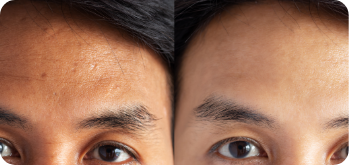
Botox can reduce moderate to severe forehead lines by temporarily decreasing contraction of the frontalis muscle, which raises the eyebrows and creates horizontal forehead creases. FDA-approved treatment of forehead lines is performed together with treatment of the glabellar region. The recommended BOTOX Cosmetic protocol uses 20 units in the forehead and 20 units in the glabellar area, for 40 total units.
Benefits can include:
- smoother horizontal forehead lines
- softer expression-related creasing
- reduced prominence of lines when raising the eyebrows
- temporary improvement without adding facial volume
Appropriate placement is important because excessive or poorly positioned treatment can affect eyebrow position or contribute to eyelid or brow drooping. The prescribing information includes specific injection guidance designed to reduce this risk.
Benefits of Botox for the Skin
Botox can make the skin appear smoother by reducing repeated muscular folding beneath it. The benefit is most noticeable for dynamic lines, which become more prominent with facial expressions such as frowning, smiling, or raising the eyebrows. Botox does not work as a skin-resurfacing treatment. It does not directly remove pigmentation, replace collagen, restore lost facial volume, or treat every type of wrinkle.
The skin-related cosmetic benefits are therefore mainly:
- smoother-looking expression lines
- less visible skin folding during facial movement
- softer appearance of treated wrinkles
- reduced prominence of lines caused by repeated muscle contraction
Static wrinkles that remain deeply visible when the face is completely relaxed may not disappear fully with Botox alone.
Cosmetic vs. Medical Benefits of Botox
Botox is used in both aesthetic medicine and medical treatment, but the indications, injection patterns, doses, and treatment goals are different.
| Type of Treatment | Main Purpose |
|---|---|
| Cosmetic Botox | Temporarily improves selected expression lines and platysma bands |
| Chronic migraine treatment | Helps prevent headaches in eligible adults with chronic migraine |
| Excessive sweating treatment | Reduces severe primary underarm sweating when topical treatment is inadequate |
| Jaw/TMD use | Off-label use that may target chewing-muscle activity in selected patients; evidence for TMD remains inconclusive |
Cosmetic Benefits
BOTOX Cosmetic is FDA-approved for temporary improvement of:
- forehead lines
- glabellar or frown lines
- crow’s feet
- platysma bands
These treatments work by reducing activity in the specific muscles responsible for the visible lines or bands.
Botox for Chronic Migraine
BOTOX is FDA-approved to prevent headaches in adults with chronic migraine. The approved indication applies to adults who experience 15 or more headache days per month, with headaches lasting at least 4 hours per day.
Migraine treatment uses a therapeutic injection protocol and should not be confused with cosmetic forehead Botox.
Botox for TMJ, Jaw Clenching and Jaw Muscles
Botulinum toxin is sometimes used off-label in chewing muscles such as the masseter to reduce muscular activity, but it is not FDA-approved for temporomandibular disorders.
The National Institute of Dental and Craniofacial Research states that studies have investigated botulinum toxin injections into chewing muscles for TMD-related muscle spasm and pain, but current evidence remains limited and does not conclusively establish that it relieves TMD symptoms.
This distinction is important because TMJ refers to the joint itself, while TMD includes multiple muscle- and joint-related disorders. Reducing muscle contraction does not treat every possible cause of jaw pain.
Botox for Excessive Sweating
BOTOX is FDA-approved for severe primary axillary hyperhidrosis, or excessive underarm sweating, when topical treatments do not provide adequate control.
The recommended FDA-approved dose is 50 units per underarm, for 100 total units when both underarms are treated. Botox reduces the nerve signaling responsible for activating sweat glands in the treated area.
How to Prepare for Botox Before Your Appointment
Preparing for Botox mainly involves reviewing your medications, supplements, medical conditions, previous botulinum toxin treatments, and planned procedures with your healthcare provider. You should not stop a prescribed medication solely because you are receiving Botox unless the clinician who prescribed it tells you that it is safe to do so.
What Should You Avoid Before Botox?
Patients commonly ask whether they should avoid ibuprofen, aspirin, fish oil, vitamin E, and alcohol before Botox.
The safest approach is:
- Aspirin: Tell your provider if you take aspirin, particularly when it is prescribed for cardiovascular protection. Do not stop prescribed aspirin without approval from the clinician managing it.
- Blood thinners: Tell your Botox provider about anticoagulants and antiplatelet medications before treatment. The BOTOX medication guide specifically instructs patients to disclose them.
- Ibuprofen: Tell your provider if you regularly use ibuprofen or another NSAID. Do not alter medically necessary medication solely for Botox without appropriate guidance.
- Fish oil and vitamin E: Include these when reviewing vitamins and supplements with your provider. The official prescribing information advises patients to report vitamins and herbal supplements before treatment.
- Alcohol: If your injector gives you a specific alcohol-free period before treatment, follow that instruction. There is no single FDA-mandated pre-Botox alcohol interval.
The goal is to identify avoidable factors without creating a greater medical risk by unnecessarily stopping prescribed medication.
Can I Work Out Before Botox?
Yes. There is no general FDA restriction that prevents normal exercise before a cosmetic Botox appointment.
If you complete a strenuous workout immediately before your appointment and arrive overheated, flushed, or sweating heavily, allowing your body to return to its normal resting state can make the treatment process more comfortable.
Exercise after Botox is a separate aftercare question and may have different recommendations depending on your provider.
Can You Use Red Light Therapy Before Botox?
There is no established direct interaction between red light therapy and BOTOX Cosmetic in the current prescribing information. However, direct research evaluating red light therapy immediately before cosmetic Botox is limited.
If red light therapy leaves the planned treatment area irritated, inflamed, unusually warm, or sensitive, tell your provider before receiving injections. BOTOX Cosmetic is contraindicated when an infection is present at an injection site and should be used cautiously when inflammation is present in the proposed treatment area.
When combining red light therapy with Botox as part of a broader aesthetic routine, the timing should therefore be based on skin condition and the specific treatment protocol rather than an assumed universal waiting period.
Botox and Anesthesia or Other Procedures
Tell your Botox provider if you are planning surgery, anesthesia, or another medical or aesthetic procedure. The BOTOX Cosmetic medication guide specifically instructs patients to disclose plans for surgery and previous facial surgery.
This is particularly important around procedures that involve medications affecting neuromuscular transmission. The prescribing information warns that aminoglycoside antibiotics, certain neuromuscular-blocking agents, and muscle relaxants can potentially increase the effects of botulinum toxin.
There is no single FDA-required waiting period that applies to Botox and every type of:
- surgery
- anesthesia
- dental treatment
- laser procedure
- facial
- chemical peel
- microneedling treatment
The appropriate sequence depends on the other procedure, medications used, treatment location, and whether the skin has fully recovered.
Botox and Cold Sores
An active cold sore near a planned Botox injection area should be disclosed before treatment. BOTOX Cosmetic is contraindicated when an infection is present at the proposed injection site.
If the cold sore is located away from the planned treatment area, the decision may depend on its location, severity, and your medical history. Patients with recurrent herpes simplex outbreaks should tell their provider about previous episodes before injections around the mouth or nearby facial areas.
Botox has not been established as a routine cause of cold sores. However, direct evidence specifically studying whether cosmetic Botox triggers herpes simplex outbreaks is limited, so a history of recurrent cold sores is worth discussing before facial injections.
What to Expect After Botox
After Botox, most people can expect a short treatment session, minimal downtime, gradual muscle relaxation, and results that develop over several days to weeks. Proper Botox aftercare is important to ensure optimal results and reduce the risk of side effects. The exact experience depends on the treatment area, Botox dosage, muscle strength, and individual response.
Aftercare includes:
- Avoid rubbing, massaging, or applying pressure to the treated areas for at least 24 hours
- Stay upright for at least 4 hours after treatment
- Avoid strenuous exercise for 24 hours
- Avoid excessive heat exposure such as saunas, hot tubs, or tanning beds for 24–48 hours
- Limit alcohol consumption for 24 hours to reduce bruising risk
- Do not schedule facials, chemical peels, or other facial treatments for at least 1–2 weeks
Following these guidelines helps ensure the Botox remains in the intended muscles and supports a smooth, natural-looking result as the effects gradually develop over the following days.
Immediately After Botox
Small bumps, mild redness, tenderness, or minor swelling can appear around the injection sites immediately after treatment. These effects are usually temporary.
Most people can return to normal daily activities shortly after cosmetic Botox treatment. Official BOTOX Cosmetic information describes treatment for forehead lines, frown lines, and crow’s feet as taking about 10 to 15 minutes with minimal downtime.
How Long Do Botox Results Last?
Cosmetic Botox commonly lasts about 3–4 months, although botox duration varies by treatment area and individual response. The official prescribing information describes approximately 3–4 months of effect for glabellar-line treatment.
Individual Botox duration can vary according to:
- treatment area
- number of units used
- muscle strength
- metabolism and individual response
- previous treatment history
What Are The Side Effects Of Botox?
Temporary injection-site effects may include:
- redness
- tenderness
- mild swelling
- bruising
Less common effects depend on the treatment area and may include unwanted muscle weakness or asymmetry.
Patients should seek medical attention for serious symptoms such as difficulty swallowing, speaking, or breathing because botulinum toxin products carry a boxed warning regarding possible spread of toxin effect.
Botox Before and After: What Results Can You Expect?
Botox results develop gradually rather than immediately after the injections. The timing also differs according to the treatment area.
For moderate to severe forehead lines, frown lines, and crow’s feet, official BOTOX Cosmetic information states that improvement may begin within 1–2 days, with full results evaluated around Day 30. Results can last up to approximately four months.
For moderate to severe platysma bands, improvement may also begin within 1–2 days, while the official treatment information describes full results at approximately Day 14.
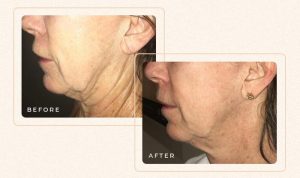
Botox For Sagging Jowls Before And After
Botox for sagging jowls before and after results depend on how much downward muscle pull contributes to the appearance of the lower face. Botox temporarily relaxes targeted muscles, such as the platysma or depressor anguli oris, which can reduce downward tension along the jawline and create a smoother, more defined lower-face contour. The visible change is usually subtle rather than dramatic because Botox does not remove excess skin, restore lost facial volume, or eliminate jowls caused mainly by advanced skin laxity. Before-and-after improvement is therefore most noticeable when muscle activity is a significant part of the concern and the treatment is matched to the patient’s facial anatomy.
Forehead Botox Before And After
Botox Results Timeline
| Time After Botox | What You May Notice |
| Immediately after | Small injection marks, mild redness, swelling, or tenderness may be present |
| Days 1–2 | Early muscle-relaxing effects may begin |
| Around Day 7 | Facial-line improvement is often more apparent |
| Day 14 | Platysma-band results are typically well established |
| Around Day 30 | Full results for forehead lines, frown lines, and crow’s feet are typically assessed |
| Around 3–4 months | Cosmetic effects gradually decrease as muscle activity returns |
Clinical studies of glabellar lines showed improvement as early as Day 7, with the primary efficacy assessment at Day 30. The prescribing information describes a typical duration of approximately 3–4 months for glabellar-line treatment.
What Does 20 Units of Botox Look Like Before and After?
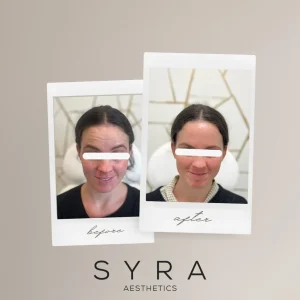
20 units of Botox do not produce one predictable before-and-after appearance.
The result depends on:
- the muscle treated
- injection placement
- baseline muscle strength
- facial anatomy
- whether 20 units are being used as the entire treatment or only part of a larger treatment plan
- previous Botox exposure
20 Units Of Botox Before And After
When Do Botox Results Start?
For moderate to severe forehead lines, frown lines, and crow’s feet, results may begin to appear within 1 to 2 days. The muscles gradually become less active, so the treated lines soften rather than disappearing immediately after the injections. For platysma bands of the neck, improvement may also begin within 1 to 2 days.
When Will You See the Full Botox Result?
The full-result timeline depends on the treatment area.
- Forehead lines: Full results are generally assessed around Day 30.
- Frown lines: Full results are generally assessed around Day 30.
- Crow’s feet: Full results are generally assessed around Day 30.
- Platysma bands: Full results may be visible around Day 14.
This means a Botox treatment should not be judged only a few days after the injections because the final effect may still be developing.
What Will Your Face Feel Like After Botox?
The treated muscles gradually contract with less force, but appropriately planned Botox does not need to make the entire face feel completely frozen.
You may notice that certain expressions require less muscle movement or that expression lines become less pronounced. The amount of movement retained depends on the treatment area, dose, injection placement, and individual anatomy.
Frequently Asked Questions About Botox
What Are the Main Benefits of Botox?
The main cosmetic benefit of Botox is temporary reduction of muscle activity that contributes to expression-related wrinkles and platysma bands. Therapeutic BOTOX also has FDA-approved medical uses that include chronic migraine prevention and severe primary underarm sweating.
Can I Work Out Before Botox?
Yes. Normal exercise before Botox is generally possible. There is no FDA requirement that patients avoid exercise before a cosmetic Botox appointment.
Does Botox Trigger Cold Sores?
Botox has not been established as a routine cause of cold sores. Evidence specifically evaluating Botox as a trigger for herpes simplex outbreaks is limited, so patients with recurrent cold sores should disclose that history before facial injections.
How Soon Do You See Botox Results?
For forehead lines, frown lines, and crow’s feet, results may begin within 1–2 days, with full results around Day 30. For platysma bands, improvement may begin within 1–2 days, with full results around Day 14.

Written & Medically Reviewed by
Dr. Syra Hanif, M.D.
Board-Certified Primary Care Physician
Dr. Syra Hanif, M.D., is a board-certified physician specializing in aesthetic medicine, longevity, and preventative wellness. As Medical Director of Dr. Syra Aesthetics & Longevity Institute in NYC, she focuses on aesthetics, healthy aging, and overall wellness.
Read More