


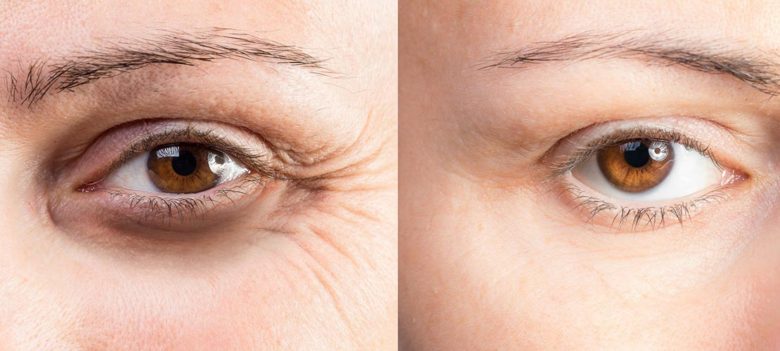
Aging – A phenomenon that has a love-hate relationship with everyone. While growing old and having to experience all these years is truly a blessing, it also comes with its downside in the form of visual signs that display our age; these signs of aging, like wrinkles instance, are visually appealing and can become a source of discomfort and embarrassment for some people.
In today’s modern world, several ways have been developed solely to help people gain and retain a youthful appearance, with wrinkle-free skin. If you are someone who is worried about the signs of aging and is seeking treatments to work against these wrinkles and fine lines – you should start this journey towards a youthful appearance by targeting the most evident areas first, such as the developed crow’s feet around your eyes, by opting for the very popular and effective Botox injection.
Read on! This article offers everything you need to know about crow’s feet as well as getting rid of crow’s feet.
What Are Crow’s Feet?
Developed at the outer corners of our eyes, crow’s feet are basically fine wrinkle lines that appear as we age. With time these wrinkles start getting much more prominent and lead our skin toward losing its natural elasticity. Crow’s feet are seen to get prominently visible whenever we grin or smile, which is the reason behind another name being used to refer to these wrinkles i.e. Smile lines.
Known as dynamic wrinkles in the world of dermatology, these wrinkles are hardly something to worry about since most people get smile lines while smiling or grinning – However, it might become a problem and start worrying you once these crow’s feet become a permanent part of your face and are always there to be noticed, even when all your facial muscles are at rest. These permanently visible wrinkles are known as static wrinkles, and the appearance of these leads most of us to seek treatment that will us in getting rid of crow’s feet.
Botox is an effective treatment for crow’s feet, as it temporarily relaxes the muscles responsible for these wrinkles, resulting in smoother skin around the eyes.
Dynamic vs Static Crow’s Feet: What Is the Difference?
Crow’s feet are classified as either dynamic wrinkles or static wrinkles depending on when they appear. Dynamic crow’s feet appear during facial expressions such as smiling or squinting, while static crow’s feet remain visible even when your face is relaxed.
Dynamic Crow’s Feet
Dynamic crow’s feet develop from repeated movement of the muscles around the eyes, especially the orbicularis oculi muscles. Every time you smile, squint, or make certain facial expressions, these muscles contract and create temporary folds in the skin.
Because dynamic wrinkles are caused by muscle activity, Botox is often an effective treatment option. By temporarily relaxing these muscles, Botox reduces repeated skin folding and softens the appearance of lines around the eyes.
Static Crow’s Feet
Static crow’s feet are visible even when your facial muscles are relaxed. These wrinkles develop over time due to factors such as collagen loss, reduced skin elasticity, sun exposure, and natural aging.
Botox may still help soften the appearance of static crow’s feet by reducing the muscle movement that contributes to wrinkle formation. However, treatments that improve skin quality, collagen production, or volume may also be considered depending on the underlying cause.
A consultation helps determine whether your crow’s feet are mainly caused by muscle movement, skin changes, or a combination of factors.
Can You Get Crow’s Feet in Your 20s?
Yes, crow’s feet can appear in your 20s, especially when repeated facial movements such as smiling, squinting, and laughing create early dynamic wrinkles around the eyes. These lines are often related to muscle activity rather than advanced skin aging.
Some people notice crow’s feet earlier because of factors such as genetics, frequent sun exposure, reduced skin elasticity, lifestyle habits, or naturally expressive facial movements. At this stage, the lines may only appear when smiling or making facial expressions and become less noticeable when the face is relaxed.
Early crow’s feet do not always require treatment. However, when these lines become more noticeable or start appearing even when your face is at rest, options such as Botox for crow’s feet may help by temporarily relaxing the muscles responsible for repeated skin folding around the eyes.
A consultation helps determine whether the concern is mainly caused by facial muscle movement or other skin changes that may require a different approach.
What Is Crow’s Feet Botox?
Crow’s feet Botox is a treatment that uses botulinum toxin injections to temporarily relax the orbicularis oculi muscles around the outer corners of the eyes, which are responsible for the repeated movements that create these expression lines. By reducing excessive muscle contraction, Botox helps soften the appearance of dynamic wrinkles caused by smiling, squinting, and other facial expressions.
When Botox is injected into the targeted muscles, it temporarily blocks nerve signals that trigger muscle contraction. As the muscles become less active, the skin experiences less repeated folding, which helps create a smoother appearance around the eyes while maintaining natural facial expressions.
Crow’s feet Botox works best for dynamic wrinkles, which appear when you move your face and become less noticeable when your muscles are relaxed. For wrinkles caused mainly by skin texture changes, collagen loss, or volume loss, additional treatments may be considered depending on your individual concerns.
Botox Cosmetic is an FDA-approved botulinum toxin treatment commonly used to temporarily improve moderate-to-severe crow’s feet. During a consultation, Dr. Syra Hanif evaluates your facial movements, wrinkle pattern, and aesthetic goals to determine the appropriate treatment approach.
Who Is a Good Candidate for Crow’s Feet Botox?
You may be a good candidate for crow’s feet Botox if you have visible lines around the outer corners of your eyes caused by repeated facial movements such as smiling, squinting, or laughing. Botox works best for people whose wrinkles are primarily related to muscle activity rather than changes in skin texture or volume loss.
You may benefit from crow’s feet Botox if you:
- Notice lines appearing when you smile or make facial expressions
- Have early signs of dynamic wrinkles around the eyes
- Want to soften crow’s feet without surgery
- Prefer a treatment with minimal downtime
- Want to maintain natural facial movement while reducing wrinkle appearance
Crow’s feet Botox may also be considered by people who want to address early expression lines before they become deeper and more noticeable. However, the right treatment depends on your skin condition, wrinkle type, facial anatomy, and aesthetic goals.
During a consultation, Dr. Syra Hanif evaluates your facial movements, wrinkle pattern, and skin quality to determine whether Botox is the right option for your crow’s feet.
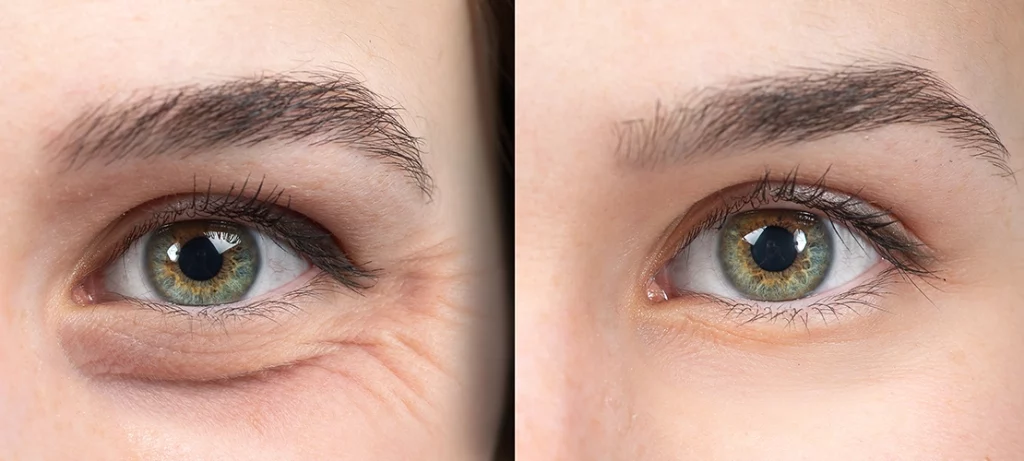
What Does Crows Feet Look Like?
Crow’s feet typically appear as tiny lines or creases extending from the outer corners of the eyes. These lines can become deeper and more noticeable with age, sun exposure, and repeated facial expressions like squinting or laughing.
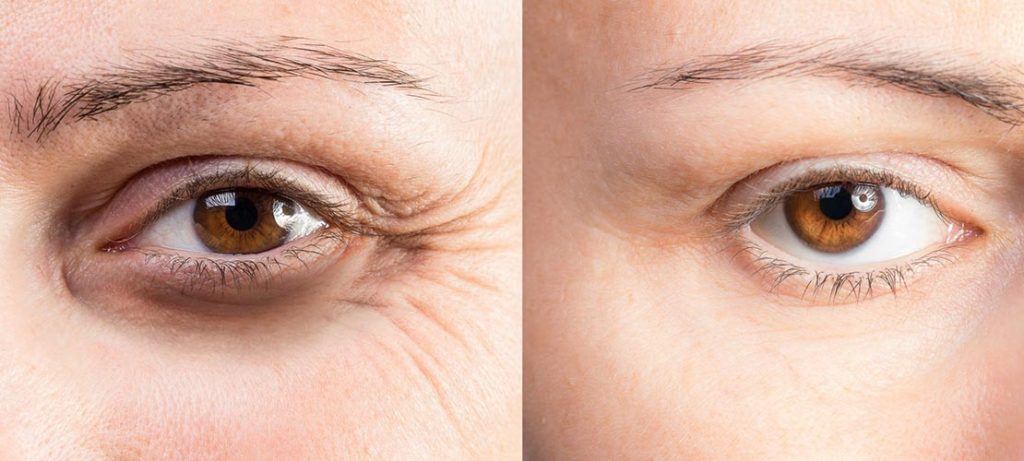
Crow’s Feet Botox Before And After Results
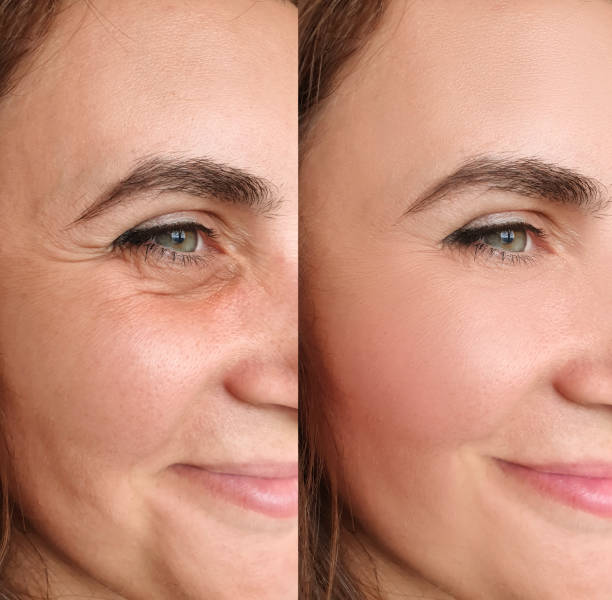
Crow’s feet Botox before and after results typically show a smoother appearance around the outer corners of the eyes while maintaining natural facial expressions. The treatment works by reducing the muscle activity responsible for repeated skin folding, which helps soften dynamic wrinkles.
Before treatment, patients may notice:
- Lines appearing when smiling or squinting
- Deeper creases around the outer eye area
- Wrinkles becoming more noticeable with facial expressions
After treatment, patients may notice:
- Softer appearance of crow’s feet
- Smoother-looking skin around the eyes
- Reduced visibility of expression lines
Results vary depending on factors such as muscle strength, wrinkle depth, skin quality, and the number of Botox units used. Botox improves wrinkles caused by muscle movement but does not remove all signs of aging or replace treatments that address collagen loss or volume changes.
What Are The Causes of Crow’s Feet Botox?
While there are a couple of other reasons as well, one main cause for these crow’s feet to appear right on the corners of our eyes is none other than “Aging”! Our skin during our youth seems quite fresh and plum, which is due to the turgor that is provided by proteins such as collagen and elastic – However, aging is a phenomenon that leads to the loss of these proteins in our skin, which consequently facilitates the appearance of wrinkles.
Also, the specific area of skin that is around our eyes happens to be quite thin and sensitive compared to the rest of our face, so even small amounts of friction can cause fine lines to appear, and eventually lead to static crow’s feet.
Listed below are a few other aspects that contribute to the formation and deepening of these wrinkles with age:
- Reduction of skin-friendly proteins
- Lowering of sebum secretion
- Less fat content of the skin
- Lesser GAGs (glycosaminoglycans) and PGs (proteoglycans)
- Prolonged UV exposure
- Genetics
- Unhealthy Lifestyle
What Are The Side Effects of Crows Feet Botox?
- Mild bruising or swelling around the injection site is common and usually subsides within a few days.
- Temporary redness, tenderness, or irritation at the injection area can occur but typically resolves quickly.
- Some individuals may experience a mild headache following the procedure, which generally improves within a few hours to a day.
- Botox may cause a temporary decrease in tear production, leading to dry eyes in some individuals.
- In rare cases, Botox can cause a temporary drooping of the eyelid if the toxin spreads to unintended areas.
- There may be a slight unevenness in the appearance of the treated area, which can be adjusted with follow-up treatment.
- Although rare, an allergic reaction to Botox can occur, resulting in symptoms such as itching, rash, or shortness of breath. Immediate medical attention is required in such cases.
How Long Does Botox Last Around Crow’s Feet?
Botox around crow’s feet typically lasts about 3 to 4 months, although the duration depends on factors such as your metabolism, muscle activity, the number of units used, and how your body responds to treatment. Some patients maintain results longer, while others notice muscle movement gradually returning sooner.
After treatment, Botox begins relaxing the muscles responsible for crow’s feet, with initial changes appearing within a few days and full results becoming visible within about 1 to 2 weeks. As nerve signals gradually return, the treated muscles regain movement, and crow’s feet may slowly become more noticeable again.
Factors that affect how long Botox lasts include facial muscle strength, treatment dosage, lifestyle factors, and individual response to Botox. Regular maintenance treatments help many patients maintain smoother-looking skin around the eyes over time.
How Many Units of Botox for Crow’s Feet?
The number of Botox units needed for crow’s feet depends on several factors, including the strength of the muscles around the eyes, the depth of the wrinkles, your facial movement patterns, and your desired results. Since every face responds differently, there is no single Botox dosage that works for everyone.
On average, crow’s feet treatment often requires around 5 to 15 units of Botox per side, although the exact amount varies based on your anatomy and treatment goals. Patients with stronger muscle movement may need a higher dose, while those treating early dynamic wrinkles may require fewer units.
The appropriate Botox dosage is determined during a consultation, where Dr. Syra Hanif evaluates your facial muscles, wrinkle pattern, and overall facial balance to create a personalized treatment plan. Using the right amount helps soften crow’s feet while maintaining natural facial expressions.
How Much Does Botox Cost for Crow’s Feet in NYC?
The cost of Botox for crow’s feet in NYC depends on several factors, including the number of Botox units needed, the severity of your wrinkles, the strength of the muscles around your eyes, your provider’s experience, and the pricing structure of the clinic. Since crow’s feet treatment is customized for each person, the final cost varies based on your individual treatment plan.
On average, Botox for crow’s feet in NYC costs around $300 to $600 per treatment session. Some patients may require fewer units for early dynamic lines, while others may need more Botox to address stronger muscle movement or more noticeable wrinkles. Pricing may also vary depending on whether you are treating crow’s feet alone or combining it with other areas, such as forehead lines or frown lines, which can influence the overall Botox cost in NYC.
How Often To Get Botox Crow’s Feet?
To maintain the results of Botox for crow’s feet, it is generally recommended to get treatments every 3 to 4 months. However, some patients may find that they can go longer between sessions, depending on how quickly their body metabolizes the Botox.
Does Botox on Crow’s Feet Hurt?
Botox injections for crow’s feet usually cause minimal discomfort because the treatment uses a very fine needle to deliver small amounts of Botox into the muscles around the outer corners of the eyes. Most patients describe the sensation as a quick pinch, slight pressure, or brief stinging during the injections.
The level of discomfort varies depending on individual sensitivity, but the treatment area typically requires only a few small injections on each side. Any mild tenderness, redness, or swelling around the injection sites usually improves shortly after treatment.
Factors such as injection technique, needle size, and personal sensitivity can influence the treatment experience. While most patients feel only a brief pinch or mild pressure during treatment, concerns about does Botox hurt are common among people considering their first Botox appointment.
During a consultation, Dr. Syra Hanif explains the procedure and performs the treatment carefully to target the muscles responsible for crow’s feet while prioritizing patient comfort.
Where To Inject Botox for Crow’s Feet?
Botox for crow’s feet is injected into the orbicularis oculi muscles, which are the small circular muscles surrounding the outer corners of the eyes. These muscles contract during facial expressions such as smiling, squinting, and laughing, creating repeated skin folding that leads to crow’s feet.
During treatment, Botox is placed in small, carefully selected injection points around the outer eye area, commonly known as the lateral canthal region. The goal is to relax excessive muscle movement while preserving natural facial expressions.
The exact injection placement depends on factors such as your muscle strength, wrinkle pattern, facial anatomy, and desired outcome. Botox can also be used in other areas of the face to target different concerns, with each treatment area requiring a customized injection approach.
Because the eye area contains delicate structures and closely positioned muscles, Botox placement requires detailed knowledge of facial anatomy. Dr. Syra Hanif evaluates your facial movements and wrinkle pattern to determine the appropriate injection points for your crow’s feet treatment and other Botox areas on the face when needed.
How To Get Rid Of Crow’s Feet?
Crow’s feet can be reduced with treatments that target the main cause of the wrinkles, including repeated facial muscle movement, collagen loss, and changes in skin quality. The right approach depends on whether your crow’s feet appear mainly when you smile or remain visible even when your face is relaxed.
For dynamic crow’s feet, which appear due to repeated muscle movement, Botox for crow’s feet is one of the most common treatment options. Botox temporarily relaxes the orbicularis oculi muscles around the eyes, reducing the repeated skin folding that creates these expression lines.
Other options that may help improve the appearance of crow’s feet include:
- Skincare: Sunscreen, retinoids, antioxidants, and hydrating products help support skin health and reduce the appearance of fine lines over time.
- Laser treatments: Laser skin treatments stimulate collagen production and improve skin texture, tone, and signs of sun damage.
- Microneedling: Microneedling encourages collagen production and may improve mild fine lines and overall skin texture.
- Chemical peels: Chemical peels remove damaged surface skin layers to improve brightness, texture, and some superficial wrinkles.
- Dermal fillers: Fillers may help when volume loss around the eyes contributes to a tired or aged appearance.
The most effective treatment depends on your wrinkle type, skin condition, and aesthetic goals. A consultation with Dr. Syra Hanif helps determine whether Botox or another treatment option is the right approach for reducing the appearance of crow’s feet.
Juvederm For Crows Feet Before and After
Dermal Fillers Crows Feet Before and After
Smiling Botox Before and After Crows Feet
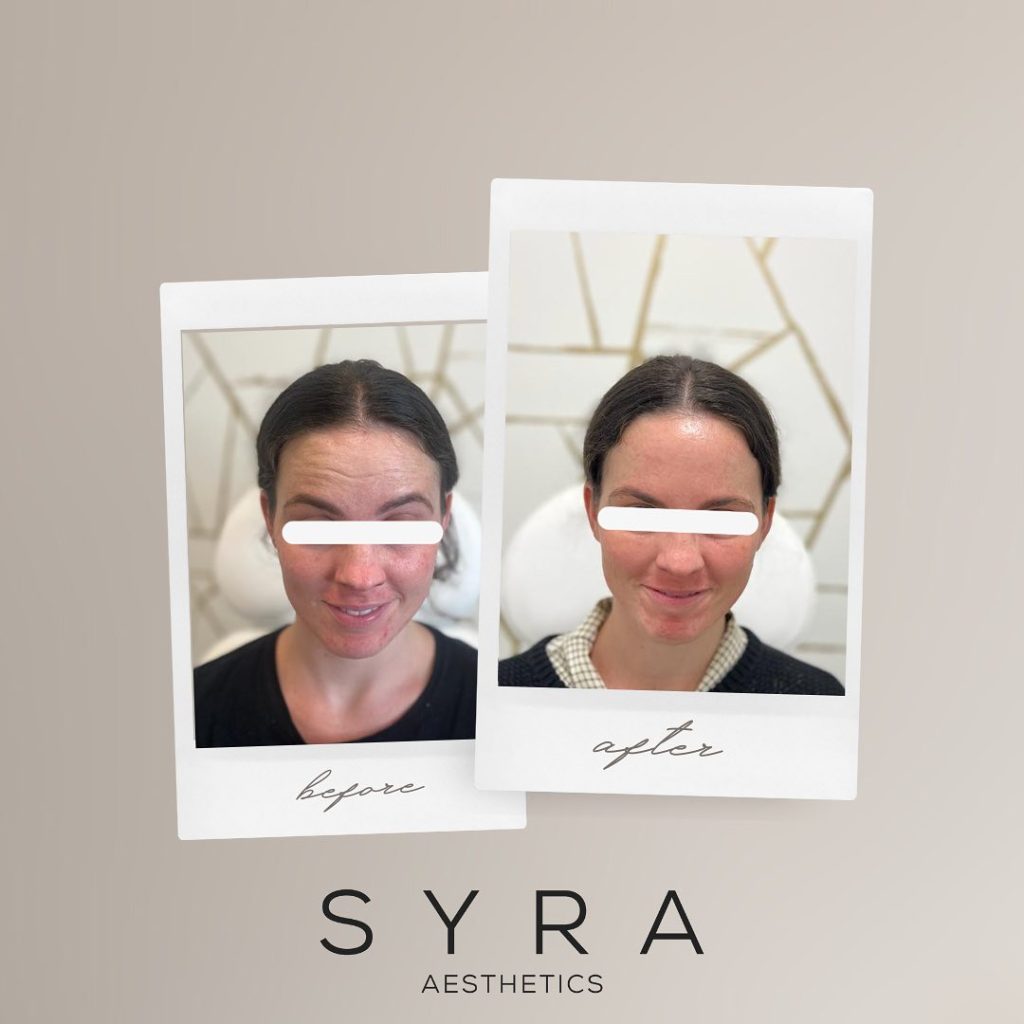
Anti Wrinkle Injections Before and After Crows Feet
Anti-wrinkle injections, such as Botox, are highly effective at reducing the appearance of crow’s feet. Before and after photos demonstrate the dramatic improvement in skin smoothness and the reduction of fine lines.
What Are the Alternatives to Botox for Crow’s Feet and Wrinkles?
Botox is one of the most effective treatments for dynamic wrinkles caused by repeated facial movements, but other options may help improve crow’s feet and signs of aging depending on whether the concern is related to skin texture, collagen loss, sun damage, or volume changes.
Dermal Fillers
Dermal fillers add volume beneath the skin and may help improve wrinkles caused by volume loss or changes in facial structure. While fillers do not relax the muscles responsible for crow’s feet, they may be considered when hollowness or reduced support around the eyes contributes to an aged appearance. Dermal fillers can be customized based on facial anatomy and aesthetic goals.
Laser Skin Resurfacing
Laser treatments improve skin texture by stimulating collagen production and addressing concerns such as fine lines, uneven tone, and sun damage. Laser skin resurfacing may help improve overall skin quality around the eyes but does not directly reduce muscle movement responsible for dynamic wrinkles.
Microneedling
Microneedling creates controlled micro-injuries in the skin to support collagen production. It may improve mild fine lines, skin texture, and overall smoothness over time, making microneedling an option for patients focused on improving skin quality.
Chemical Peels
Chemical peels remove damaged outer layers of skin to improve texture, brightness, and some superficial wrinkles. They may help refresh the appearance of skin affected by uneven tone, rough texture, or early signs of aging.
Skincare and Sun Protection
Daily sunscreen use, retinoids, antioxidants, and a consistent skincare routine help support skin health and may reduce the appearance of fine lines. These options focus on improving skin quality rather than relaxing wrinkle-causing muscles.
The right treatment depends on the type of wrinkles you have. Botox works best for dynamic wrinkles caused by facial movement, while options such as dermal fillers, laser skin resurfacing, microneedling, and chemical peels may be more suitable for concerns related to collagen loss, skin texture, or volume changes. A consultation helps determine which approach matches your skin and goals.
Is Filler Or Botox Better For Crow’s Feet?
Both fillers and Botox can improve signs of aging around the eyes, but they work differently. Botox is generally preferred for crow’s feet because it relaxes the muscles responsible for dynamic wrinkles, while fillers are better suited for restoring lost volume and improving areas affected by volume loss.
Crow’s feet are mainly caused by repeated movement of the orbicularis oculi muscles during smiling, squinting, and other facial expressions. Botox temporarily reduces this muscle activity, which helps soften the appearance of lines around the outer corners of the eyes.
Dermal fillers work by adding volume beneath the skin and may help when aging changes are related to volume loss rather than muscle movement. The main differences between Botox and fillers come from how each treatment works, the concerns they address, and the type of results they provide.
The right option depends on whether your crow’s feet are caused mainly by muscle movement, changes in skin quality, or volume loss. During a consultation, Dr. Syra Hanif evaluates your facial anatomy and goals to determine which treatment approach best matches your needs.
Can You Prevent Crow’s Feet Naturally?
Daily habits may help maintain healthier-looking skin and reduce factors that contribute to premature wrinkles. These include:
- Applying sunscreen daily to protect against UV-related collagen breakdown
- Using skincare ingredients that support skin renewal, such as retinoids when appropriate
- Maintaining skin hydration and a healthy skin barrier
- Avoiding smoking, which can accelerate skin aging
- Wearing sunglasses to reduce repeated squinting in bright sunlight
These approaches support overall skin health but do not relax the facial muscles responsible for dynamic crow’s feet. Botox remains one of the treatments that directly targets muscle activity.
What Happens During Crow’s Feet Botox Treatment?
Crow’s feet Botox treatment begins with an evaluation of your facial anatomy, wrinkle pattern, and muscle movement around the eyes. Dr. Syra Hanif assesses how your muscles contract when you smile, squint, and make other facial expressions to determine the appropriate treatment approach.
During the procedure, small amounts of Botox are injected into carefully selected areas of the orbicularis oculi muscles near the outer corners of the eyes. The injections are placed strategically to reduce excessive muscle activity while preserving natural facial expressions.
The treatment usually takes only a few minutes, and most patients return to their normal activities shortly afterward. The number of injections and Botox units varies depending on your muscle strength, wrinkle severity, and desired results.
After treatment, results gradually develop as the targeted muscles begin to relax. Most patients notice improvement within several days, with full results becoming visible within about one to two weeks.
Crow’s Feet Botox Recovery and Aftercare
Crow’s feet Botox requires little downtime, and most patients return to their regular activities immediately after treatment. Mild redness, tenderness, swelling, or small bumps at the injection sites may occur but usually improve shortly after the procedure.
After treatment, patients are generally advised to:
- Avoid rubbing or applying pressure to the treated area
- Follow personalized aftercare instructions from their provider
- Avoid activities that may irritate the injection sites immediately after treatment
Botox results continue to develop gradually as the treated muscles relax. Following proper aftercare helps support a smooth recovery and allows your provider to monitor your results.
Where To Get Crow’s Feet Treated in Manhattan, NYC?
When choosing where to get crow’s feet treated in Manhattan, NYC, it is important to select a provider who understands facial anatomy and uses a customized approach for the delicate eye area. Crow’s feet treatment requires precise placement around the outer corners of the eyes to relax wrinkle-causing muscles while maintaining natural facial expressions.
At Dr. Syra Aesthetics & Longevity Institute, Dr. Syra Hanif provides personalized Botox treatments for crow’s feet based on your facial movement, wrinkle pattern, and aesthetic goals. She evaluates the muscles around the eyes to determine the appropriate treatment approach and dosage for achieving natural-looking results.
Whether your goal is to soften early expression lines, reduce visible wrinkles around the eyes, or maintain a refreshed appearance, a customized consultation helps determine the right approach for your skin and facial anatomy.
Botox for crow’s feet works best when the treatment plan matches your individual muscle activity and facial structure. During your consultation, Dr. Syra Hanif discusses your concerns and creates a plan designed to address your specific needs while preserving your natural appearance
Frequently Asked Questions
Can Men Get Botox for Crow’s Feet?
Yes, men can get Botox for crow’s feet. Botox treatment is based on facial anatomy, muscle movement, wrinkle pattern, and treatment goals rather than gender.
Men may choose crow’s feet Botox to soften expression lines around the eyes while maintaining a natural appearance. The treatment approach is customized based on the strength of the muscles around the eyes and the desired outcome.
Can Botox get rid of crow’s feet?
Yes, Botox can reduce the appearance of crow’s feet by temporarily paralyzing the muscles around the eyes.
Can crow’s feet Botox go wrong?
Yes, Botox for crow’s feet can go wrong if administered improperly, potentially causing asymmetry or drooping.
Does Botox really work for crow’s feet?
Yes, Botox is effective for crow’s feet, with results typically lasting three to four months.
Is Botox cosmetic good for crows’ feet?
Yes, Botox Cosmetic is highly effective for treating crow’s feet, which are the fine lines that appear at the corners of the eyes. Botox works by temporarily relaxing the muscles around the eyes that cause these wrinkles when you smile, squint, or make other facial expressions.
What is better than Botox for crow’s feet?
Alternatives like laser treatments, dermal fillers, or radiofrequency might provide different benefits compared to botox cosmetic.
Does crow’s feet Botox change eye shape?
No, Botox for crow’s feet typically does not change the shape of the eye, though it may affect the movement of surrounding muscles.
Does microneedling help with crow’s feet?
Yes, microneedling can help with crow’s feet by stimulating collagen production, improving skin texture and elasticity.
Can you get rid of frown lines?
Yes, frown lines can be reduced or eliminated with procedures like Botox, which relaxes the muscles causing the lines, or with dermal fillers that smooth the skin. Get a consultation from a professional to find the best solution for your needs.

Written & Medically Reviewed by
Dr. Syra Hanif, M.D.
Board-Certified Primary Care Physician
Dr. Syra Hanif, M.D., is a board-certified physician specializing in aesthetic medicine, longevity, and preventative wellness. As Medical Director of Dr. Syra Aesthetics & Longevity Institute in NYC, she focuses on aesthetics, healthy aging, and overall wellness.
Read More