


What Is Botox For Teeth Grinding (Bruxism)?
Botox, widely recognized for its cosmetic benefits in reducing wrinkles, also serves as a valuable treatment for addressing jaw clenching and teeth grinding, medically known as bruxism.
Bruxism involves the involuntary grinding of teeth and clenching of the jaw, often occurring during sleep and leading to dental damage, jaw pain, and headaches.
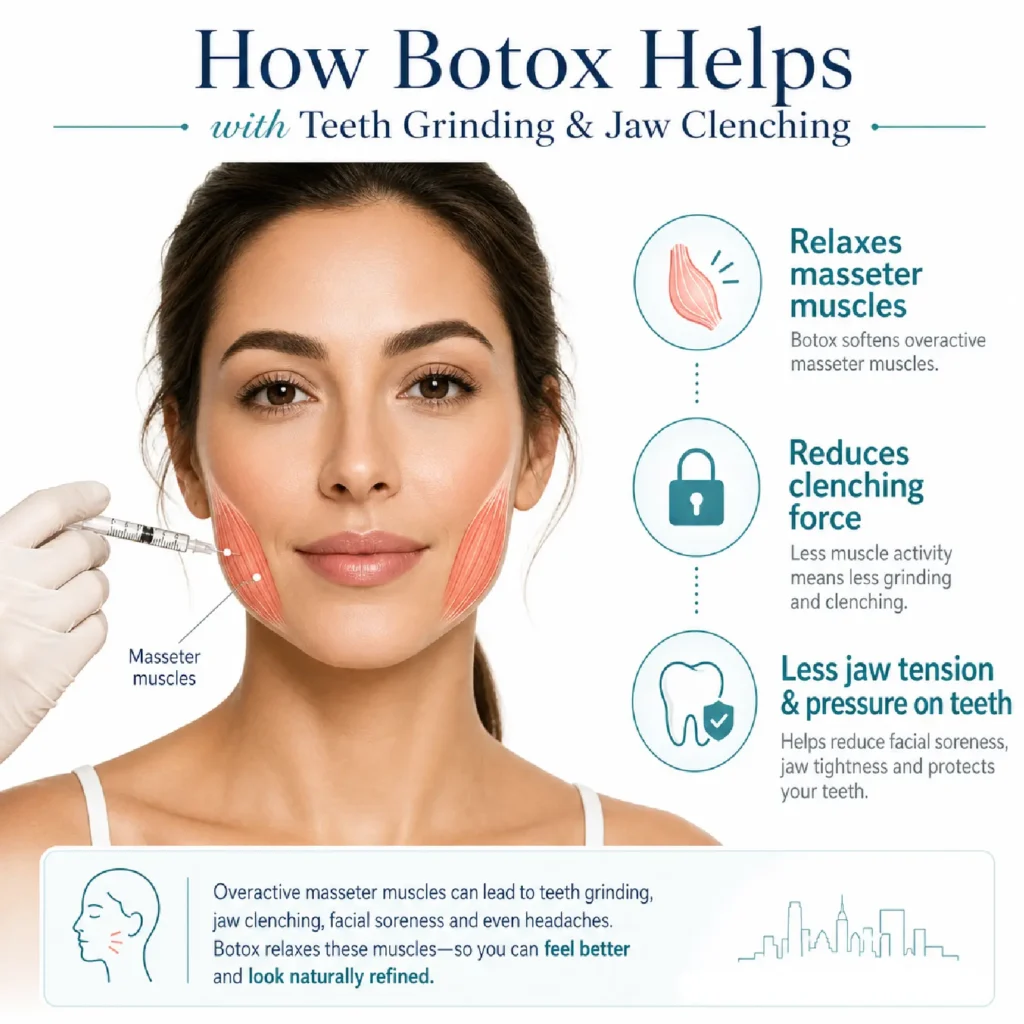
Botox injections can effectively alleviate these symptoms by relaxing the masseter muscles, primarily responsible for bruxism. This treatment not only provides significant relief but can also aid in jaw slimming and enhancing overall facial aesthetics.
For those considering this therapeutic approach in New York City, exploring options for Botox injections NYC can provide access to specialized care and expertise in addressing bruxism effectively.
What Are The Signs and Symptoms of Bruxism?
Bruxism can manifest through various signs and symptoms, including:
- Worn-down teeth
- Tooth sensitivity or pain
- Jaw, neck, or face pain
- Earaches
- Tension headaches, especially around the temples
- Sleep disruption
- Scalloped tongue
- Damage to the inside of the cheek
What Causes Teeth Grinding (Bruxism)?
Bruxism causes involve physical, psychological, as well as genetic factors. Common bruxism causes include:
- Stress and anxiety
- Abnormal bite or misaligned teeth
- Sleep disorders such as sleep apnea
- Lifestyle factors like smoking, alcohol consumption, and caffeine
- Certain medications, especially antidepressants
Who Is a Good Candidate for Botox for Teeth Grinding?
You may be a good candidate for Botox for teeth grinding if you experience frequent jaw clenching, teeth grinding, or muscle-related jaw tension. This treatment may be especially helpful for patients whose symptoms are caused by overactive masseter muscles, which are the strong jaw muscles used for chewing and clenching.
Dr. Syra Hanif evaluates your symptoms, jaw muscle strength, and facial structure to determine whether Masseter Botox is right for you.
You may benefit from Botox for teeth grinding if you have:
- Jaw soreness or tightness
- Morning headaches
- Facial tension or pain
- TMJ-related muscle discomfort
- Nighttime teeth grinding
- Frequent jaw clenching during the day
- Enlarged or overactive masseter muscles
- Tooth pressure caused by strong clenching
- A wider or more square-looking jawline from muscle overuse
Botox may be a good option if you want a non-surgical treatment with little to no downtime. By relaxing the masseter muscles, Botox can help reduce the force of clenching and may relieve jaw tension, headaches, and facial soreness over time.
However, Botox may not be the only treatment needed. If you have cracked teeth, significant tooth wear, bite problems, or suspected sleep apnea, Dr. Hanif may recommend seeing a dentist or medical specialist as part of your care plan. A night guard or dental treatment may still be necessary to protect your teeth.
What are the Risks and Side Effects of Botox for Teeth Grinding?
While Botox is generally safe, it can have some side effects, such as:
- Pain, swelling, or bruising at the injection site
- Headaches
- Flu-like symptoms
- Dry mouth
- Drooping of the eyelid or brow if injected improperly
- Difficulty swallowing or speaking in rare cases
What is the Procedure for Getting Botox for Teeth Grinding in NYC?
Botox for teeth grinding, also known as Masseter Botox, is a quick in-office treatment that helps relax the jaw muscles responsible for clenching and grinding. At Dr. Syra Aesthetics in NYC, the procedure is performed by Dr. Syra Hanif, who customizes the treatment based on your jaw muscle strength, symptoms, and facial structure.
1. Consultation with Dr. Syra Hanif
Your appointment begins with a consultation with Dr. Syra Hanif. She will review your symptoms, such as jaw tension, morning headaches, facial soreness, TMJ discomfort, and nighttime grinding.
She may also ask you to clench your teeth so she can assess the size and strength of your masseter muscles, which are the main jaw muscles involved in grinding.
2. Personalized Treatment Plan
After the evaluation, Dr. Hanif creates a treatment plan based on your needs. The number of Botox units can vary depending on:
- The strength of your jaw muscles
- The severity of teeth grinding or clenching
- Whether you want symptom relief, jawline slimming, or both
- Whether both sides of the jaw need balanced treatment
Most patients receive injections on both sides of the jaw for a natural, even result.
3. Botox Injections into the Masseter Muscles
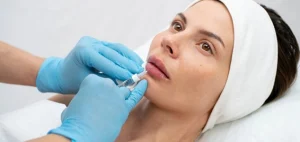
Before the injections, the jaw area is cleaned and the treatment points are identified. Dr. Hanif then uses a fine needle to inject small amounts of Botox directly into the masseter muscles.
The procedure is usually quick and well tolerated. Most patients describe it as a small pinch or pressure, and numbing is typically not needed.
4. Minimal Downtime After Treatment
After Botox for teeth grinding, you can usually return to your normal routine right away. Some patients may experience mild redness, tenderness, swelling, or bruising at the injection sites, but these effects are typically temporary.
Dr. Hanif may recommend avoiding rubbing the treated area, intense exercise, alcohol, or lying flat for several hours after the appointment.
5. When Results Start to Show
Botox does not stop teeth grinding immediately. Most patients begin noticing reduced jaw tension and less clenching within one to two weeks, with results continuing to improve as the masseter muscles relax.
As the muscle activity decreases, patients may experience relief from jaw soreness, facial tightness, headaches, and pressure on the teeth.
6. Follow-Up and Maintenance
Results from Masseter Botox are temporary. Many patients schedule maintenance treatments every three to four months, depending on how their body responds.
For patients with tooth damage, bite issues, cracked teeth, or severe nighttime grinding, Dr. Hanif may also recommend seeing a dentist to determine whether a night guard or additional dental care is needed.
Botox for Teeth Grinding Cost?
The cost of Botox for teeth grinding in NYC depends on the number of units needed, the strength of your masseter muscles, and your provider’s experience. Many patients require treatment on both sides of the jaw, with dosage often ranging from 20 to 30 units per side. Because each case is different, Dr. Hanif will provide a personalized quote during your consultation.
Does insurance cover Botox for jaw clenching?
Insurance coverage for Botox to treat jaw clenching (bruxism) varies. Some policies may cover it if deemed medically necessary, particularly for severe cases causing severe pain or damage. It’s essential to check with your insurance provider for specific coverage details and requirements.
What are the Pros and Cons of Botox for Grinding Teeth?
– Pros:
Botox for teeth grinding offers several potential benefits, including:
- Non-surgical treatment
- Quick in-office procedure
- Minimal downtime
- Reduced jaw tension
- Less clenching force
- Relief from jaw soreness or headaches
- May help reduce pressure on the teeth
- Can soften a bulky jawline in some patients
– Cons:
Like any treatment, Botox may not be right for everyone. Possible limitations include:
- Results are temporary
- Maintenance treatments are needed
- Side effects are possible
- Cost can add up over time
- Botox does not treat every underlying cause of bruxism
- Dental care may still be needed for tooth damage, bite problems, or night guard protection
Where to Inject Botox for Teeth Grinding?
To treat bruxism, Botox is typically injected into the masseter muscles, located on the sides of the jaw. In some cases, injections may also be administered in the temporalis muscles, located on the sides of the forehead, if these muscles contribute to jaw clenching and grinding.
How Many Units of Botox Are Needed for Teeth Grinding and Jaw Clenching?
The number of Botox units needed for teeth grinding or jaw clenching varies from patient to patient. Most patients need treatment on both sides of the jaw because bruxism usually affects both masseter muscles, the strong muscles responsible for clenching and grinding.
Patients may need approximately 20 to 30 units per side, or about 40 to 60 total units. However, the exact amount depends on your jaw muscle strength, the size of your masseter muscles, the severity of your grinding, and whether you are also looking for jawline slimming.
Dr. Syra Hanif evaluates your jaw muscles during consultation and creates a customized treatment plan based on your symptoms and goals. Some patients may need a lower dose for mild clenching, while others with stronger masseter muscles or more severe grinding may need a higher dose for effective relief.
Botox dosage should always be personalized. Using too little may not provide enough symptom relief, while using too much may cause temporary chewing weakness or an overly slimmed jaw appearance. Dr. Hanif carefully places the injections to help reduce clenching force while maintaining natural facial balance.
How Long Does Botox for Teeth Grinding Last?
Botox treatments for bruxism generally last between 3 and 6 months. The duration can vary depending on the individual’s response and the dosage administered. Regular follow-up treatments are necessary to maintain the benefits.
Botox for Teeth Grinding Before and After
Patients who undergo Botox treatment for bruxism often report significant improvements, such as reduced jaw pain, fewer headaches, jaw slimming, and less tooth wear.
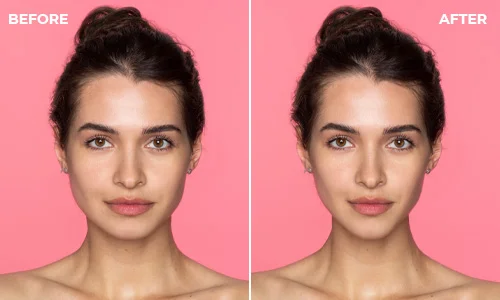
Before and after photos can illustrate the relaxation of the jaw muscles and a reduction in facial swelling associated with bruxism.
Where to Get Botox for Teeth Grinding in Manhattan, NYC?
Which Botox Lasts the Longest?
The longevity of Botox results can depend on the formulation and the individual’s response to treatment. Generally, the effects of Botox (onabotulinumtoxinA) are consistent, lasting between 3 and 6 months. Newer formulations and techniques may offer slightly longer-lasting results, but individual experiences can vary.
Does Botox Weak the Masseter Muscle?
Yes, Botox weakens the masseter muscle by temporarily blocking nerve signals that cause muscle contraction, leading to a reduction in muscle size and strength over time.
Frequently Asked Questions
Does Botox Reduce Jaw Pain?
Yes, Botox can reduce jaw pain by temporarily relaxing the muscles involved in conditions like TMJ disorders or bruxism, which often cause jaw tension and discomfort.
Does Botox help teeth-grinding?
Yes, Botox can help alleviate teeth-grinding (bruxism) by relaxing the jaw muscles. It reduces the muscle activity responsible for grinding, which can decrease pain, wear on teeth, and other related symptoms.
Can I eat after jaw Botox?
Yes, you can eat after receiving Botox in your jaw, but it’s advisable to wait at least 30 minutes to an hour. Soft foods are recommended initially to avoid excessive chewing, which can help ensure the Botox settles properly in the targeted muscles.
Is dental Botox safe?
Yes, dental Botox is generally safe when administered by a qualified professional. It effectively treats conditions like teeth-grinding, TMJ disorders, and facial pain. Side effects are usually mild and temporary, but consulting with a healthcare provider for personalized advice is essential.
Does Botox for bruxism change face shape?
Botox for bruxism typically does not change the face shape. It targets specific jaw muscles to reduce grinding without affecting the overall facial structure. The treatment aims to relax muscles involved in clenching, offering relief from symptoms without altering facial contours.
What is Botox made from?
Botox is made from a purified form of botulinum toxin, specifically botulinum toxin type A. This neurotoxin is produced by the bacterium Clostridium botulinum. When used in medical or cosmetic treatments, it temporarily paralyzes muscles by blocking nerve signals, reducing wrinkles, or treating medical conditions like muscle spasms.
Can Botox help with teeth grinding?
Botox injections can effectively treat teeth grinding (bruxism) by relaxing the jaw muscles responsible for clenching. This can reduce the intensity of grinding and alleviate associated symptoms like jaw pain and headaches. Treatment effectiveness varies, and it’s crucial to consult a qualified healthcare provider for assessment and administration.

Written & Medically Reviewed by
Dr. Syra Hanif, M.D.
Board-Certified Primary Care Physician
Dr. Syra Hanif, M.D., is a board-certified physician specializing in aesthetic medicine, longevity, and preventative wellness. As Medical Director of Dr. Syra Aesthetics & Longevity Institute in NYC, she focuses on aesthetics, healthy aging, and overall wellness.
Read More