


What Are Back Acne Scars (Bacne)?
Back acne scars refer to bacne scars. These are the marks left on the skin after severe acne on the back that has been healed. These scars can be as distressing as facial acne scars and take longer to heal due to the thicker skin on the back.
In other words, Bacne is a breakout on your back. Like the skin on the face, the back has lots of sebaceous glands that excrete oil known as sebum. When bacteria, dead cells, and sebum build-up, they can inflame the pores, leading to a Bacne breakout.
What Do Back Acne Scars Look Like?
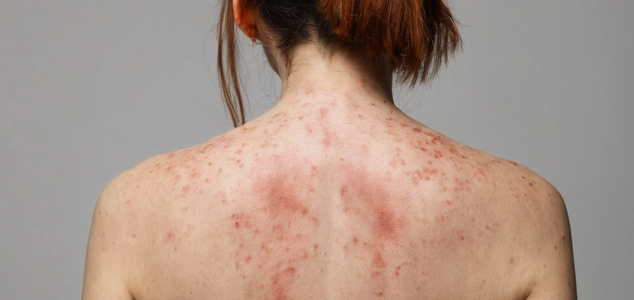
Are back acne scars permanent?
Back acne scars can vary in their permanence. Some scars may fade over time, while others may be more stubborn and persistent. Factors such as the severity of the acne, skin type, and individual healing process can influence the permanence of back acne scars. In some cases, professional treatments may be necessary to effectively diminish or remove the scars.
What Are The Types of Back Acne Scars?
There are three types of back acne scars:
Atrophic or Depressed Scars
- Ice-pick scars: Deep and narrow pits.
- Boxcar scars: Broad and rectangular depressions with sharp edges.
- Rolling scars: Wave-like depressions with smooth and sloping edges.
Hypertrophic or Raised Scars
- Keloid scars: Raised and often grow beyond the original wound site. Keloid scars can sometimes be itchy or painful.
- Hypertrophic scars: Raised but confined to the area of the original injury.
- Post-Inflammatory Hyperpigmentation (PIH): This is more common in people with darker skin tones. They are the dark spots left after acne heals
Do back acne scars go away?
Back acne scars may fade over time, especially with proper skin care and treatment. However, the complete disappearance of scars is not guaranteed for everyone. Mild scars may diminish significantly with time and proper care, while deeper or more severe scars may require medical interventions such as laser therapy, chemical peels, microneedling, or dermabrasion to improve their appearance.
What are the Best Treatments for Back Acne Scars on Your Upper Back?
| Treatment | Cost | Number of Sessions | Success Rate |
|---|---|---|---|
| Topical Treatments | $20–$100/month | Daily application; 12–16 weeks for results | 60–70% |
| Chemical Peels | $150–$500/session | 3–4 sessions | >65% |
| Microneedling | $200–$600/session | 3–6 sessions | 70–80% |
| Dermal Fillers | $500–$1,500/session | 1 session (effects last 6–18 months) | ~65% |
| Laser Treatments | $600–$4,000/session | 3–5 sessions | 70–90% |
Microneedling
Microneedling is a minimally invasive procedure that uses fine needles to create micro-injuries in the skin, stimulating collagen and elastin production. It works by triggering the skin’s natural repair mechanism, gradually filling in depressed scars. Clinical studies have shown that 70–80% of patients experience significant improvement after 3–6 sessions.
Microneedling treatment is ideal for individuals with atrophic scars, such as ice-pick, boxcar, or rolling scars, and is best suited for those seeking a non-laser, minimally invasive solution. The procedure involves rolling a device with fine needles over the affected back area and typically lasts 30–45 minutes per session. Noticeable results usually appear after 3–6 sessions. While improvement is significant, microneedling is not permanent results last 6–12 months, and maintenance treatments are recommended every 6–12 months. The microneedling cost in NYC per session ranges from $200 to $600.
Dermal Fillers
Dermal fillers are injectable substances that fill depressed acne scars and restore skin volume. They work by physically lifting indentations, allowing the skin surface to appear smoother. Clinical trials indicate around 65% of patients achieve visible improvement after one treatment session.
Dermal Fillers are suitable for patients with deep, localized depressed scars. Best for those seeking immediate visible improvement. The procedure involves injecting filler directly into scars and takes 15–30 minutes. Effects can last 6–18 months, with costs ranging from $500–$1,500 per session.
Laser Treatments
Laser therapy uses focused light beams to resurface skin, remove damaged tissue, and stimulate collagen production. Fractional CO2, Erbium YAG, Nd:YAG, and PDL lasers target different scar types and pigmentation issues. Clinical studies report 70–90% of patients see marked improvement after 3–5 sessions, depending on scar severity and laser type.
Laser treatments are ideal for patients with moderate to severe raised, depressed, or pigmented scars. Best for those seeking long-term, professional results. The procedure involves directing a laser over the affected skin, lasting 30–60 minutes per session. Multiple sessions are required, spaced 4–6 weeks apart. Costs vary by laser type: $600–$4,000 per session.
What are the types of laser treatments?
There are several types of laser treatments used for treating back acne scars:
- Fractional CO2 Laser
- Erbium YAG Laser
- Pulsed Dye Laser (PDL)
- Nd:YAG Laser
- Fractional Laser (Non-Ablative)
Back Acne Scars Laser Treatment Before and After
Before undergoing laser treatment, scars are often more prominent and discolored. After a few sessions, patients typically notice a smoother skin texture and more even skin tone.
Chemical Peels
Chemical peels are solutions applied to the skin to exfoliate damaged layers and promote new skin regeneration. They work by dissolving the outer layers of skin, revealing smoother, more even-toned skin underneath. Studies have demonstrated that superficial and medium-depth chemical peels can reduce acne scar severity in over 65% of patients within 3–4 treatment sessions.
Chemical peels are ideal for patients with mild to moderate surface-level scarring and pigmentation. Best for those seeking noticeable improvement without invasive procedures. The procedure involves application of a chemical solution on the back for several minutes, usually lasting 30–60 minutes per session. Multiple sessions are needed, spaced 2–4 weeks apart, at a cost of $150–$500 per session.
Do Chemical Peels Help Back Acne?
Yes, chemical peels help by exfoliating the top layer of skin, promoting new skin growth, and reducing the appearance of scars and pigmentation.
Not Sure Which Treatment is Right for Your Back Acne?
Get expert guidance to find the right back acne treatment for your skin and concerns.
How to Get Started with Clearer Back Skin in Manhattan
Getting started on improving back acne scars doesn’t have to be complicated. The first step is understanding which acne scar treatments suit your skin type and scar severity. Consulting with Dr. Hanif helps you determine whether topical solutions, microneedling, chemical peels, or laser treatments are the best option for you.
Dr. Syra Hanif at her Manhattan clinic guides you through a personalized approach, helping you identify the treatments that fit your skin goals and lifestyle. Even a brief consultation in our Manhattan office can clarify the best next steps and make your path to smoother, healthier skin simple and effective.
How to Remove Pimples and Body Acne Scars Naturally?
Natural remedies can complement medical treatments:
- Use Aloe Vera to smoothen your skin and promote healing.
- Apply tea tree oil. It has antibacterial properties.
- Consider honey and cinnamon masks to reduce inflammation and bacteria.
- Spread on lemon Juice for its bleaching effect on hyperpigmentation.
What Not to Do with Back Acne?
- Avoid picking or squeezing. This can worsen scars and lead to infections.
- Don’t go for harsh scrubbing. It irritates the skin and can exacerbate acne.
- Reduce usage of comedogenic products. They can lead to clogged pores and cause back acne breakouts.
What Causes Back Acne in Males and Females?
- Genetics: Family history of acne increases the likelihood of developing back acne.
- Hormonal fluctuations: Occur during puberty, menstruation, pregnancy, or conditions like PCOS, triggering breakouts.
- Infections:
- Bacterial infections can inflame pores.
- Fungal infections can occasionally contribute.
- Diet: High glycemic foods, dairy, and processed products may aggravate acne in some individuals.
- Stress: Increases cortisol, worsening breakouts and slowing healing.
- Other factors:
- Sweat and friction from tight clothing, backpacks, or sports gear.
- Poor hygiene or harsh soaps leading to clogged pores.
- Medications, such as steroids, that can contribute to acne formation.
– Disclaimer –
This blog is for informational & educational purposes only and does not intend to substitute any professional medical advice or consultation.
For any symptoms or medical advice, please consult with your physician, Or Book an appointment with our certified aestheticians at Syra Aesthetics.

Written & Medically Reviewed by
Dr. Syra Hanif, M.D.
Board-Certified Primary Care Physician
Dr. Syra Hanif, M.D., is a board-certified physician specializing in aesthetic medicine, longevity, and preventative wellness. As Medical Director of Dr. Syra Aesthetics & Longevity Institute in NYC, she focuses on aesthetics, healthy aging, and overall wellness.
Read More