


What Is Microneedling for Acne Scars?
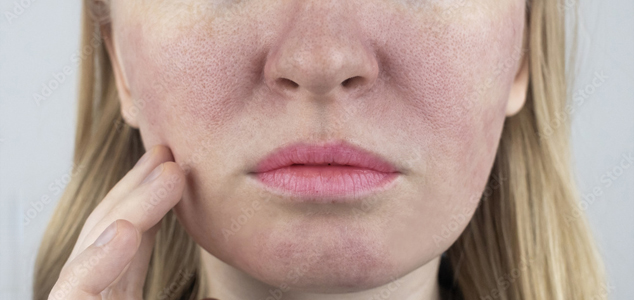
Microneedling for acne scars is a minimally invasive skin rejuvenation treatment that helps improve pitted, indented, and uneven acne scars by stimulating the skin’s natural healing response. It is often called collagen induction therapy because the controlled micro-injuries activate the skin’s wound-healing cascade, including fibroblast activity. Fibroblasts are the cells responsible for producing collagen and elastin, two essential proteins that help rebuild damaged tissue, improve firmness, and smooth uneven texture.
Acne scars form when inflamed breakouts damage the deeper layers of the skin. As the skin heals, it may produce too little collagen or distribute collagen unevenly, leaving behind depressed scars such as ice pick, rolling, or boxcar scars. These scars usually form in the dermis, below the surface of the skin. This is why topical creams, exfoliants, and at-home products may improve discoloration, hydration, or mild texture, but usually cannot fully rebuild the collagen loss responsible for deeper pitted acne scars. These microchannels signal the body to begin a repair process by releasing growth factors and activating fibroblasts. As fibroblasts produce new collagen and elastin, scarred areas gradually become firmer, smoother, and more even in texture.
During microneedling, a professional device with ultra-fine, sterile needles creates tiny controlled micro-injuries in the skin. These micro-injuries are intentional and precise, triggering a repair response without removing the outer layer of skin. These microchannels signal the body to begin a repair process by releasing growth factors and activating fibroblasts. As fibroblasts produce new collagen and elastin, scarred areas gradually become firmer, smoother, and more even in texture. As new collagen develops over time, scar tissue becomes softer, indented areas look plumper, and the skin’s surface gradually appears smoother and more even.
Microneedling is especially valuable for acne scars because it works with the skin’s natural repair biology rather than simply exfoliating or resurfacing the top layer. Since many pitted acne scars are caused by collagen loss in the dermis, a treatment that stimulates collagen remodeling can address the structural cause of the scar more directly. For many patients, microneedling can improve scar depth, rough texture, enlarged pores, and overall skin quality with relatively minimal downtime.
The American Academy of Dermatology notes that microneedling treatment plans may fade acne scars by 50% to 70% in some patients, although results vary based on scar depth, skin type, number of sessions, and healing response. At Dr. Syra Aesthetics in Manhattan, Dr. Hanif evaluates each patient’s scar type, skin tone, and treatment goals to determine whether traditional microneedling, PRP microneedling, RF microneedling, or a combination approach is the best option for achieving smoother, healthier-looking skin.
How Does Microneedling Help Acne Scars?
Microneedling improves acne scars by encouraging the skin to rebuild and remodel damaged tissue over time. This matters because atrophic acne scars form when collagen is lost or unevenly repaired after inflammation, leaving depressions in the skin. As new collagen and elastin develop, depressed scars become less noticeable, uneven texture appears smoother, and the skin gains a firmer, healthier appearance.
Unlike treatments that focus primarily on the skin’s surface, microneedling promotes structural improvements within scarred areas. This collagen remodeling process helps soften scar tissue, improve overall skin texture, and create a more even complexion.
Results develop gradually because collagen remodeling does not happen immediately. The skin continues producing and reorganizing new collagen for weeks to months after each treatment, which is why acne scar improvement typically builds over a series of sessions. It helps to know that collagen production continues building for weeks after each session. With a series of sessions, many patients notice improvement in scar depth, skin smoothness, pore appearance, and overall skin quality.
Does Microneedling Work for Pitted Acne Scars?
Yes. Microneedling is a widely used non-surgical treatment for pitted acne scars, especially atrophic scars such as rolling scars, boxcar scars, and some ice pick scars. These scars are usually linked to collagen loss, and microneedling works by stimulating new collagen production in the areas where the skin has become indented.
The degree of improvement depends on the type and depth of the scars. Mild to moderate pitted scars often respond well to a series of microneedling treatments, while deeper scars may require additional sessions or combination treatments such as PRP microneedling or RF microneedling. During your consultation, Dr. Hanif will assess your scars and recommend the most effective treatment plan for your skin.
Types of Acne Scars Microneedling Can Treat
Microneedling can improve several types of acne scars, especially scars that form when the skin loses collagen during the healing process. These are known as atrophic scars, and they often appear as pitted, indented, or uneven areas on the skin. The most common atrophic acne scar types include rolling scars, boxcar scars, and ice pick scars. DermNet classifies atrophic acne scars into these three main categories, and each type has a different shape, depth, and response to treatment.
Because acne scars respond differently to treatment, Dr. Hanif carefully evaluates the skin before recommending a microneedling plan. Some scars may respond well to traditional microneedling, while deeper or more stubborn scars may require PRP microneedling, RF microneedling, or a combination approach for more noticeable improvement.
Rolling Acne Scars
Rolling acne scars create soft, wave-like depressions in the skin. They often make the skin look uneven or slightly rippled, especially under certain lighting. These scars usually form when bands of scar tissue pull the skin downward, creating a rolling texture across the surface.
Microneedling can help improve rolling scars by stimulating collagen production and softening the scar tissue beneath the skin. As new collagen forms, the skin gradually looks smoother, firmer, and more even. Rolling scars often respond well to collagen-stimulating treatments, especially when treated through a series of sessions.
Boxcar Acne Scars
Boxcar acne scars are broader depressions with more defined edges. They may look like small round, oval, or rectangular indentations in the skin and can vary from shallow to deep. Because boxcar scars have sharper borders than rolling scars, they may require a more targeted treatment plan.
Microneedling can help improve boxcar scars by encouraging new collagen to fill and smooth the depressed areas over time. Shallow to moderate boxcar scars may respond well to traditional microneedling, while deeper boxcar scars may benefit from enhanced treatments such as PRP microneedling or RF microneedling for stronger collagen remodeling.
Ice Pick Acne Scars
Ice pick acne scars are narrow, deep scars that look like small punctures or tiny holes in the skin. Clinical literature describes these scars as narrow tracts that can extend into the deep dermis or subcutaneous tissue, which helps explain why they are often more resistant to surface-level treatments.
Microneedling may help soften the appearance of some ice pick scars by stimulating collagen production, but deeper ice pick scars often need additional sessions or combination treatments. Because these scars extend deeper into the skin, they may not respond as predictably to microneedling alone as shallower rolling or boxcar scars. In some cases, Dr. Hanif may recommend pairing microneedling with PRP, RF microneedling, or another acne scar treatment to improve deeper textural damage more effectively.
Hypertrophic or Raised Acne Scars
Hypertrophic acne scars are raised, thickened scars that form when the body produces too much collagen during the healing process. Unlike rolling, boxcar, or ice pick scars, these scars sit above the skin’s surface rather than creating an indentation.
Because raised scars involve excess collagen, traditional microneedling may not be the first choice for every patient. Treatment must be carefully customized to avoid irritating the scar or worsening its texture. During your consultation, Dr. Hanif will determine whether microneedling is appropriate or whether another treatment option may be better suited for raised acne scars.
Traditional Microneedling vs PRP Microneedling vs RF Microneedling
Traditional Microneedling
Traditional microneedling uses fine sterile needles to create controlled micro-injuries in the skin. This triggers the skin’s natural healing response and stimulates collagen and elastin production. It is often a good option for mild to moderate acne scars, rough texture, enlarged pores, and early signs of skin aging.
Because traditional microneedling works without heat, it may be suitable for a wide range of skin tones when performed correctly. Patients with deeper rolling or boxcar scars may need more intensive options, such as PRP microneedling, RF microneedling, or combination treatment.
PRP Microneedling for Acne Scars
PRP Microneedling, also known as the “vampire facial”, enhances traditional microneedling by applying Platelet-Rich Plasma from the patient’s own blood directly into microchannels created during treatment. PRP is rich in growth factors involved in tissue repair, inflammation control, and collagen activity. When applied into the microchannels created during microneedling, PRP may support the skin’s healing response and enhance overall rejuvenation.
This treatment may be helpful for mild to moderate acne scars, uneven texture, dullness, and overall skin quality. PRP may support faster-looking recovery and enhanced collagen activity, but results still depend on scar type, skin condition, treatment frequency, and individual healing response. Because PRP is prepared from the patient’s own blood, the risk of allergic reaction is generally low. However, proper technique, sterile handling, and appropriate patient selection are still important for safety. PRP microneedling may be recommended for patients who want acne scar improvement along with enhanced skin rejuvenation, especially when dullness, uneven texture, or slower healing are also concerns.
RF Microneedling for Acne Scars
RF microneedling combines traditional microneedling with radiofrequency energy to treat acne scars through two mechanisms: mechanical micro-injury from the needles and controlled thermal stimulation from RF energy in the deeper dermis. This dual action stimulates collagen and elastin production while helping remodel scar tissue below the surface.
RF microneedling is often recommended for deeper rolling scars, boxcar scars, enlarged pores, uneven texture, and mild skin laxity. Because RF energy reaches deeper layers of the skin, it may provide more intensive collagen remodeling and skin tightening than traditional microneedling alone.
Patients with moderate to severe acne scarring may benefit from RF microneedling, although results vary based on scar depth, skin type, treatment settings, and healing response. In some cases, RF microneedling may be combined with PRP or other acne scar treatments for a more complete improvement.
What Happens During a Microneedling Treatment?
During a microneedling session with Dr. Syra Hanif, the treatment is designed to be safe, comfortable, and personalized to the patient’s acne scars and skin goals. The process typically follows three main steps: preparation, treatment, and aftercare.
Step 1: Preparation
Before treatment begins, Dr. Hanif evaluates the type, depth, and severity of the acne scars to determine the most effective approach. This may include traditional microneedling, PRP microneedling, RF microneedling, or a combination treatment depending on the patient’s needs.
Patients are usually advised to avoid retinoids, harsh exfoliating products, active skincare ingredients, and excessive sun exposure for a few days before the session. This helps prepare the skin, reduce irritation, and support a smoother healing process after treatment.
Step 2: Treatment
On the day of the procedure, the skin is gently cleansed and a numbing cream is applied to help keep the treatment comfortable. Once the skin is prepared, Dr. Hanif uses a precise microneedling device with ultra-fine, sterile needles to create tiny controlled micro-injuries across the treatment area.
These micro-injuries stimulate the skin’s natural healing response and encourage new collagen and elastin production. Depending on the treatment plan, PRP may be applied to support faster healing and collagen stimulation, or RF energy may be used to reach deeper layers of the skin and improve firmness. A typical session takes about 30 to 60 minutes, depending on the size of the area being treated.
Step 3: Aftercare
After microneedling, patients receive detailed aftercare instructions to help the skin heal properly and maximize results. The skin may look pink or red and feel slightly warm or tight for the first day or two, similar to a mild sunburn. This redness occurs because microneedling temporarily increases blood flow and inflammation as part of the normal wound-healing response.
Patients are usually advised to keep the skin clean and hydrated, avoid makeup, heavy sweating, direct sun exposure, retinoids, acids, and harsh skincare products during the early healing period. For a full breakdown of what to avoid and when, the microneedling before and after care guide covers the complete healing timeline. As the skin repairs itself, collagen production continues to build, scars gradually appear softer, and overall skin texture becomes smoother and healthier-looking.
Learn More About Microneedling
Microneedling Before and After Acne Scars: What Results Can You Expect?
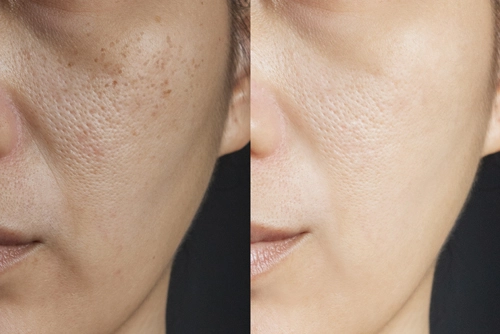
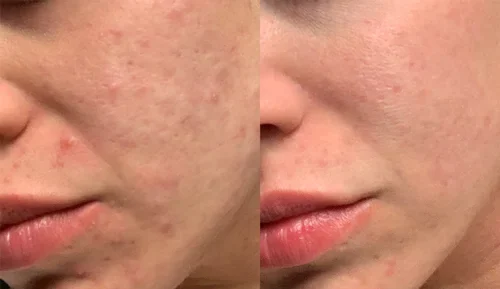
Before and after results from microneedling usually show gradual improvement rather than an instant change. In the first few weeks, patients may notice smoother texture, a brighter appearance, and softer-looking pores. Deeper acne scar improvement develops over time as collagen remodeling continues beneath the surface.
Rolling and boxcar scars may appear softer and less defined after a series of sessions, while deeper ice pick scars may require more treatments or a combination approach. Final results depend on scar type, treatment depth, skin tone, healing response, and the number of sessions completed.
How Many Microneedling Sessions Are Needed to Improve Acne Scars?
The number of microneedling sessions needed to improve acne scars varies depending on the type, depth, and severity of scarring. Since collagen builds gradually, most patients need a series of treatments rather than one session to see meaningful improvement. Most people achieve the best results with about 3 to 6 sessions, commonly spaced 4 to 6 weeks apart. The American Academy of Dermatology notes that acne scar treatment with microneedling often requires multiple sessions because results appear gradually as the body produces collagen.
Deeper scars may require additional treatments, or in some cases, advanced options like PRP or RF microneedling to maximize improvement. The encouraging part is that results build progressively with each session, so your skin continues to smooth out and scars fade more over time. Dr. Hanif will do a consultation with you to carefully assess your skin, discuss your goals, and design a customized treatment plan that ensures the safest and most effective outcome.
Why Do Results Take Multiple Sessions?
Microneedling results take multiple sessions because collagen remodeling is a gradual biological process. Each treatment creates controlled micro-injuries that stimulate repair, but the skin needs time to produce, organize, and strengthen new collagen.
Spacing treatments 4 to 6 weeks apart allows the skin to heal between sessions while continuing to build improvement. Deeper or older scars may need additional treatments because they involve more extensive collagen loss or scar tissue tethering.
What to Expect After Microneedling (Downtime & Aftercare Tips)
Right after microneedling, your skin will usually look a little pink or red, almost like a mild sunburn, and it may feel slightly warm or tight. This reaction is completely normal and usually settles within 24–48 hours. Some people notice light flaking, dryness, or tiny pinpoint marks as the skin heals all signs that your body is starting its natural repair process.
Most patients are able to get back to their regular routines quickly, since the downtime is minimal compared to more aggressive treatments. Dr. Hanif often explains to patients that the first day is all about keeping the skin clean and calm. This means avoiding makeup, heavy sweating, or active skincare ingredients like retinoids and acids. Instead, stick to a gentle cleanser, a hydrating serum such as hyaluronic acid, and a fragrance-free moisturizer. And because the skin is more sensitive to the sun right after treatment, daily sunscreen is absolutely essential.
Over the following days, your skin will gradually feel smoother and more refreshed as collagen production kicks in. Redness fades, texture improves, and scars start to look softer. With each session, these changes build on one another, and with consistent aftercare, patients typically notice steady, long-lasting improvements in both acne scars and overall skin quality.
Is Microneedling Safe for Acne Scars?
Yes, microneedling is generally safe when performed by a trained professional using sterile equipment, appropriate needle depth, and proper aftercare. Safety depends on patient selection, active skin conditions, skin tone, healing history, and whether the treatment is performed over healthy skin. The most common side effects are temporary redness, swelling, or mild peeling. Rare risks include infection or pigmentation changes, usually only if aftercare isn’t followed. Traditional microneedling does not target melanin the way some laser treatments do, which helps explain why it is often considered suitable for a wide range of skin tones. However, correct technique and sun protection are still important to reduce the risk of post-inflammatory hyperpigmentation.
What Are The Possible Risks and Side Effects of Microneedling
| Side Effect | Risk |
| Redness & swelling | Common and temporary, usually resolves within 24–48 hours |
| Pinpoint bleeding / peeling | Normal healing response from micro-injuries |
| Pigmentation changes | Rare; temporary hyperpigmentation or hypopigmentation if aftercare is poor |
| Mild acne flare-ups | Possible if sebaceous glands are overstimulated or pores get clogged |
| Itching or skin tenderness | Localized inflammatory response during recovery |
| Infection | Rare; can occur if equipment isn’t sterile or aftercare is neglected |
| Worsening scars / keloids | Very rare; occurs in individuals prone to abnormal scar formation |
Who Is a Good Candidate for Microneedling in NYC?
A good candidate for microneedling in NYC is someone in overall good health who wants to address acne scars, uneven skin texture, fine lines, enlarged pores, or mild skin laxity, and who isn’t experiencing active acne or skin infections. The treatment is considered safe for most skin types and tones, and a consultation helps confirm the right approach based on individual needs. At our NYC clinic, Dr. Syra Hanif meets with each patient personally to assess their skin and recommend the most effective microneedling plan, ensuring safe and natural-looking results.
Who Should Avoid Microneedling?
Microneedling is a safe and effective treatment for many patients, but it may not be suitable for everyone. Certain skin conditions, medical concerns, or healing issues can increase the risk of complications or affect treatment results. Microneedling may need to be postponed or avoided in the following situations:
- Active acne breakouts in the treatment area
- Open wounds, cuts, or healing skin injuries
- Skin infections, including bacterial, viral, or fungal infections
- Active cold sores or herpes outbreaks
- Eczema flare-ups, dermatitis, or significantly irritated skin
- A history of keloids or abnormal scar formation, which may require careful evaluation
- Certain medical conditions that affect healing or increase the risk of complications
- Poor wound healing or compromised skin repair
- Recent use of medications that may interfere with skin recovery
- Pregnancy or breastfeeding, unless otherwise advised by a healthcare provider
A consultation can help determine whether microneedling is appropriate based on your skin condition, medical history, scar type, and treatment goals.
How Much Does Microneedling for Acne Scars Cost in Manhattan, NYC?
The cost of microneedling for acne scars in Manhattan is influenced by a variety of factors, including the specific type of microneedling performed (traditional, PRP, or RF), the size of the treatment area, and the geographical location of the clinic. Practices located in major cities such as New York typically have higher fees compared to suburban or smaller markets. The provider’s expertise also plays an important role — experienced specialists often charge more, while less experienced providers may offer lower rates.
Because most patients require multiple sessions to achieve the best results, package options may also affect overall pricing. Patients researching what to budget can find current pricing information on the microneedling cost NYC page.
At Dr. Syra Aesthetics in Manhattan, Dr. Hanif conducts a thorough aesthetics consultation to evaluate each patient’s skin, explain the most effective treatment plan, and provide a clear cost outline tailored to individual needs and goals.
Is Microneedling Safe for Darker Skin Tones?
Yes. Microneedling is generally safe for darker skin tones and is often preferred because it carries a lower risk of pigmentation changes than some laser treatments. Unlike lasers that rely on heat to resurface the skin, traditional microneedling stimulates collagen by creating controlled micro-injuries in the skin.
Proper technique and aftercare are important. Factors such as needle depth, skin sensitivity, active acne, and sun exposure can affect results. Patients should follow post-treatment instructions carefully and use sunscreen to help reduce the risk of hyperpigmentation.
When performed correctly, microneedling can improve acne scars, uneven texture, enlarged pores, and overall skin quality with a lower risk of pigmentation changes compared with some heat-based resurfacing treatments. Patients should still follow aftercare instructions carefully, especially sunscreen use, to protect newly treated skin.
How Long Does It Take for Acne Scars to Fade?
While some improvement is visible within weeks of the first treatment, acne scars usually fade gradually over 3 to 6 sessions, spaced 4–6 weeks apart. Full results become more noticeable as collagen builds up over time, often continuing to improve for several months after the final session.
How Long Do Microneedling Results Last?
Microneedling results can last a long time because the treatment stimulates new collagen production and helps remodel the structure of scarred tissue. Once collagen remodeling improves acne-scarred areas, the skin may maintain a smoother and firmer appearance for months to years.
Results vary depending on scar depth, age, skin quality, sun exposure, skincare habits, and whether new acne breakouts occur. Many patients maintain smoother-looking skin longer when they control active acne, use sunscreen consistently, and follow a supportive skincare routine.
Maintenance treatments may help preserve results, especially for patients who want continued improvement in skin texture, firmness, and overall skin quality. Many patients choose a maintenance session once or twice a year to support ongoing collagen production and skin rejuvenation.
Can Microneedling Be Combined With Other Acne Scar Treatments?
Yes. Microneedling can be combined with other acne scar treatments to improve results, especially when acne scarring includes several concerns at once, such as collagen loss, tethered scar tissue, discoloration, enlarged pores, or volume loss. Because acne scars vary in shape, depth, and cause, combination treatment may provide a more complete improvement than one treatment alone. For example, microneedling can improve collagen and texture, chemical peels can target discoloration, dermal fillers can lift select depressed scars, and RF microneedling can support deeper remodeling.
A customized plan may include PRP, RF microneedling, chemical peels, dermal fillers, or other treatments depending on the patient’s skin tone, scar type, healing response, and goals.
Microneedling With PRP
Microneedling with PRP combines collagen induction therapy with platelet-rich plasma from the patient’s own blood. PRP contains growth factors involved in tissue repair and collagen activity, which may support healing and enhance skin rejuvenation after microneedling.
This combination may be helpful for patients who want stronger skin rejuvenation, faster recovery, and improved acne scar remodeling. PRP is often used for mild to moderate acne scars, uneven texture, dullness, and overall skin quality.
Microneedling With RF
RF microneedling may provide more intensive collagen remodeling and skin tightening than traditional microneedling alone because it delivers controlled heat into deeper layers of the dermis. This can make it a good option for more stubborn rolling scars, boxcar scars, enlarged pores, and mild skin laxity.
Microneedling With Chemical Peels
Microneedling may be combined with chemical peels to improve both acne scar texture and post-acne discoloration. Microneedling works deeper to support collagen remodeling, while chemical peels work more superficially to brighten uneven tone, smooth dullness, and improve pigmentation.
This combination may be useful for patients who have pitted acne scars along with dark marks, uneven tone, or surface roughness. Microneedling helps remodel scar tissue, while chemical peels help refine the outer layer of the skin.
Microneedling vs Chemical Peels for Acne Scars
Microneedling and chemical peels treat acne scars in different ways. For a side-by-side look at how these approaches compare across scar types and skin concerns, the chemical peel vs microneedling guide walks through the key differences. Chemical peels work by applying a specialized solution to exfoliate the outer layers of the skin. They are often helpful for post-acne discoloration, dullness, uneven tone, and mild surface texture, but they do not rebuild collagen in deeper pitted scars the same way microneedling can.
Microneedling works deeper in the skin by stimulating collagen production in the dermis, where many pitted acne scars form. Because of this, microneedling is often more effective for indented scars such as rolling scars, boxcar scars, and some ice pick scars.
For patients whose main concern is dark marks or post-acne discoloration, chemical peels may be helpful. For patients with pitted scars, rolling scars, or boxcar scars, microneedling is usually more appropriate because it works deeper in the dermis where collagen loss occurs. In some cases, both treatments may be used as part of a customized plan to improve both scar texture and skin tone.
Microneedling With Dermal Fillers
Microneedling can also be combined with dermal fillers for certain depressed acne scars. Fillers add volume beneath the skin, helping lift select rolling or boxcar scars caused by tissue loss.
While fillers provide more immediate lifting, microneedling supports gradual collagen remodeling and improves the surrounding skin texture. Together, these treatments can address both scar depth and surface texture when used in the right candidates.
Microneedling vs Dermal Fillers for Acne Scars
Microneedling and dermal fillers can both improve acne scars, but they work very differently. Microneedling stimulates the skin to produce new collagen over time, gradually improving scar depth, texture, and firmness. Results develop progressively with a series of treatments.
Dermal fillers work by adding volume beneath select depressed scars, helping lift areas where tissue loss makes the skin look indented. This makes fillers especially useful for certain rolling or boxcar scars. However, fillers do not remodel the overall skin texture the same way microneedling does.
Microneedling is a good option for patients who want gradual collagen remodeling and overall skin improvement. Dermal fillers may be better for specific depressed scars that need immediate lifting. For some patients, combining microneedling with dermal fillers can provide better results by improving both the structure and surface texture of acne-scarred skin.
Microneedling vs Laser for Acne Scars
Microneedling and laser resurfacing can both improve acne scars, but they work in different ways. Microneedling creates tiny controlled micro-injuries in the skin to stimulate collagen and elastin production. This helps remodel scar tissue gradually, making pitted scars softer, smoother, and less noticeable over time.
Laser treatments use light or heat energy to resurface the skin and stimulate new skin growth. They may provide more dramatic results for some types of acne scarring, but they can also involve more downtime, higher sensitivity, and a greater risk of pigmentation changes, especially for darker skin tones.
Microneedling is often preferred for patients who want a non-surgical treatment with less downtime and a lower risk of heat-related pigmentation concerns. Laser resurfacing may still be appropriate for certain deeper scars or severe texture concerns, so the best choice depends on scar type, skin tone, downtime tolerance, and treatment goals.
Why Choose Dr. Syra Aesthetics for Microneedling in NYC?
Dr. Syra Hanif takes a personalized approach to acne scar treatment, beginning with a detailed consultation and scar assessment to determine the type, depth, and severity of scarring. Every treatment plan is customized based on the patient’s skin type, goals, and clinical findings.
Depending on the condition being treated, recommendations may include traditional microneedling, microneedling with PRP, RF microneedling, or a combination approach designed to support collagen remodeling and natural-looking improvement. Patients receive individualized guidance before, during, and after treatment to help maximize results while maintaining skin health and safety.
How to get started with Microneedling for acne scars today?
Acne scars can be frustrating, leaving behind pitted marks, uneven texture, and reminders of breakouts that don’t fade with time. Many patients try creams or home remedies without seeing much improvement, which can feel discouraging. Scars often run deeper than the surface, and without the right treatment, they continue to affect both appearance and confidence.
At our NYC clinic, Dr. Hanif offers microneedling treatments that directly target these issues by stimulating collagen and elastin production to repair and remodel scar tissue. With her expertise in skin rejuvenation, she helps patients achieve smoother texture, softer scars, and healthier-looking skin over time. During your consultation, Dr. Hanif will assess your skin and create a personalized treatment plan—whether traditional microneedling, PRP, or RF microneedling that fits your unique needs and goals.
Frequently Asked Questions About Microneedling for Acne Scars
Can Microneedling Permanently Improve Acne Scars?
No treatment can guarantee complete permanent removal of acne scars, but microneedling can create long-lasting improvement by stimulating collagen remodeling within scarred tissue. It should be viewed as scar reduction rather than guaranteed scar removal. For a realistic look at longevity, the microneedling permanence page explains what maintenance looks like and how long results typically hold. By stimulating new collagen, the treatment fills in depressions and smooths skin texture, producing results that are natural and long-lasting.
Is microneedling painful?
Microneedling is generally well tolerated because a topical numbing cream is applied before the treatment. Patients may feel light pressure, vibration, or a prickling sensation during the session, but the treatment is designed to remain comfortable. Sensitivity may vary depending on the treatment area, needle depth, scar severity, and whether PRP or RF energy is used.
Can I wear makeup after microneedling?
It is usually best to avoid makeup for at least the first 24 hours after microneedling, or until the skin has calmed. Right after treatment, the skin has tiny microchannels and may be more sensitive, so applying makeup too soon can increase irritation or clog pores. Once redness and sensitivity improve, mineral or non-comedogenic makeup may be used if approved by your provider.
When can I exercise after microneedling?
Most patients are advised to avoid heavy exercise, sweating, saunas, and hot yoga for 24 to 48 hours after microneedling. Sweat and heat can irritate freshly treated skin and may increase redness, sensitivity, or the risk of breakouts. Light activity is usually fine, but intense workouts should wait until the skin feels calm.
Can I get microneedling if I have active acne?
Microneedling is usually not performed over active acne breakouts. Treating inflamed acne first is important because microneedling over active lesions may irritate the skin, spread bacteria, or increase inflammation. Once active acne is controlled, microneedling can be used to improve remaining acne scars and uneven texture.
What is the difference between acne scars and dark marks?
Acne scars and dark marks are different concerns. True acne scars are textural changes in the skin, such as pitted, indented, or raised areas caused by collagen damage during the healing process. Dark marks, also called post-inflammatory hyperpigmentation, are areas of discoloration left behind after acne inflammation. Microneedling is mainly used for texture and pitted scars, while chemical peels, brightening skincare, lasers, or combination treatments may be used to improve discoloration.
Does microneedling help dark spots from acne?
Microneedling may help improve the overall look of post-acne dark spots by supporting skin renewal and improving uneven tone, but it is usually more effective for textural acne scars than pigmentation alone. If dark spots are the main concern, treatments such as chemical peels, topical brightening ingredients, or laser-based options may be recommended depending on skin tone and sensitivity.
Can microneedling make acne scars worse?
Microneedling rarely makes acne scars worse when performed correctly on the right candidate. However, risks may increase if treatment is done over active acne, irritated skin, infection, open wounds, or in patients prone to keloids or abnormal scarring. Proper technique, sterile equipment, customized needle depth, and careful aftercare help reduce the risk of complications.
Why do I need a consultation before microneedling?
A consultation is important because acne scars vary in type, depth, and treatment response. Rolling scars, boxcar scars, ice pick scars, raised scars, dark marks, enlarged pores, and active acne may all require different treatment strategies. A provider can assess whether traditional microneedling, PRP microneedling, RF microneedling, chemical peels, fillers, or a combination approach is the most appropriate option.

Written & Medically Reviewed by
Dr. Syra Hanif, M.D.
Board-Certified Primary Care Physician
Dr. Syra Hanif, M.D., is a board-certified physician specializing in aesthetic medicine, longevity, and preventative wellness. As Medical Director of Dr. Syra Aesthetics & Longevity Institute in NYC, she focuses on aesthetics, healthy aging, and overall wellness.
Read More