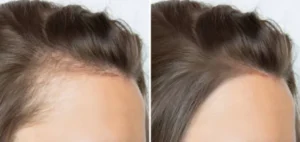



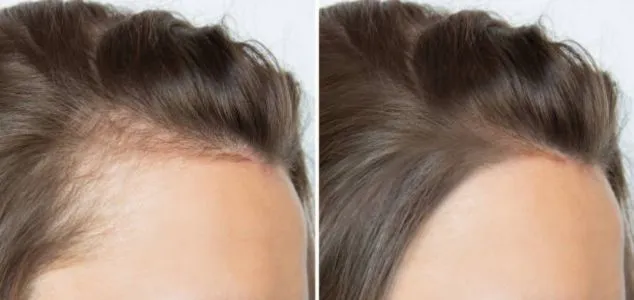
Hair growth peptides help support hair growth by influencing hair follicle signaling, strengthening follicle anchoring structures, improving scalp microenvironment stability, and promoting biological processes involved in the hair growth cycle.
Compounds such as GHK-Cu (copper peptide), Biotinoyl Tripeptide-1, Acetyl Tetrapeptide-3, and peptide complexes like QR678 Neo are studied for their ability to stimulate dermal papilla cells, support extracellular matrix proteins around the follicle, and improve follicle activity in conditions such as early hair thinning, androgenetic alopecia, and diffuse shedding.
Peptides are used through topical formulations, injectable treatments, or peptide-containing hair products and are sometimes combined with therapies like minoxidil, PRP, microneedling, or low-level laser therapy to address multiple biological causes of hair loss.
Early research and clinical observations suggest improvements in hair density, reduced shedding, and stronger follicle anchoring, although evidence varies between compounds and many treatments still require larger clinical studies to confirm long-term effectiveness.
Because hair loss patterns and scalp biology differ between individuals, clinical evaluation helps determine which peptide approach best supports hair growth goals.
What Is Peptide Therapy for Hair Growth?
Peptide therapy for hair growth is a follicle-targeted treatment approach that uses biologically active peptides to support hair follicle structure and growth signaling. Peptides used in scalp treatments include GHK-Cu, Acetyl Tetrapeptide-3, Biotinoyl Tripeptide-1, and peptide-based complexes such as QR678 Neo. These compounds interact with dermal papilla cells and extracellular matrix proteins that influence follicle stability and hair growth cycles.
Peptide therapy supports hair growth through stimulation of follicular signaling pathways, reinforcement of anchoring proteins surrounding the hair shaft, and support of tissue repair within scalp structures that house active follicles. In a clinical evaluation of peptide-based treatment for androgenetic alopecia, therapy produced a 27–30% increase in hair density and a 33% reduction in hair shedding, according to Evaluation of QR678 for the Treatment of Androgenetic Alopecia. Evidence remains limited because large comparative trials across multiple peptide therapies remain scarce.
Peptides for hair growth comparison by hair concern?
| Hair Concern | Recommended Peptides | How Peptides Help & Why They Are Used |
| Early hair thinning | Copper peptides (GHK-Cu), Biotinoyl Tripeptide-1 | Help repair and strengthen weak hair follicles, improve scalp circulation, and slow the progression of thinning hair. |
| Androgenetic alopecia (pattern hair loss) | GHK-Cu, Acetyl Tetrapeptide-3 | Support follicle regeneration, reduce inflammation around follicles, and help counter follicle miniaturization associated with genetic hair loss. |
| Hair shedding (telogen effluvium) | Thymosin Beta-4, Copper peptides | Encourage follicles to transition back into the growth phase and support recovery after stress-related or temporary hair shedding. |
| Weak or brittle hair | Biotinoyl Tripeptide-1, Myristoyl Pentapeptide-17 | Promote keratin production and strengthen the hair shaft, helping reduce breakage and improve hair thickness. |
| Thinning hair due to aging | GHK-Cu, Collagen peptides | Improve scalp tissue repair and collagen production around follicles, supporting healthier hair growth as hair naturally thins with age. |
| Poor scalp health or inflammation | Copper peptides, Acetyl Tetrapeptide-3 | Reduce scalp inflammation, improve the scalp environment, and create better conditions for healthy hair follicle activity. |
| Post-procedure hair recovery (PRP or transplant) | Thymosin Beta-4, BPC-157 | Support tissue healing, improve follicle recovery, and enhance overall results after hair restoration procedures. |
| Slow hair regrowth | PTD-DBM peptide, GHK-Cu | Activate signaling pathways involved in hair growth and help dormant follicles re-enter the active growth phase. |
Which type of peptides is best suited for hair growth and thickness?
GHK Cu (Copper Peptide)
GHK-Cu (glycyl-L-histidyl-L-lysine copper) is a naturally occurring copper-binding tripeptide found in human plasma, saliva, and urine. In dermatologic research it is studied for its ability to influence tissue remodeling and follicular biology. Within hair-growth discussions, GHK-Cu is primarily considered a signaling peptide that may support hair follicle activity and scalp microenvironment stability.
Mechanistically, GHK-Cu appears to influence hair growth by stimulating dermal papilla cells, promoting extracellular matrix remodeling, and modulating growth-related signaling pathways involved in follicle cycling. These actions may encourage follicles to remain in the anagen (growth) phase longer while improving follicular structure. In a murine study using C3H mice, topical copper peptides increased hair coverage by approximately 30% compared with untreated controls (Pickart et al., Journal of Investigative Dermatology).
If used consistently in topical formulations, individuals may observe gradual improvements in hair density, reduced shedding, and stronger follicular anchoring over several months. However, current evidence remains limited. Much of the available data derives from animal studies or small experimental models, and standardized human clinical trials evaluating dosage, penetration, and long-term outcomes are still scarce.
Does copper peptide work for hair growth?
Yes. Copper peptides, particularly GHK-Cu, show evidence of supporting hair growth by influencing follicle biology and scalp tissue repair. They act by stimulating dermal papilla cells, improving blood vessel formation around follicles, and increasing production of extracellular matrix proteins that help anchor and maintain active follicles.
These mechanisms can help prolong the anagen (growth) phase and support healthier follicle function. In a controlled murine study, topical copper peptides increased visible hair growth by approximately 30% compared with untreated controls, according to Copper Peptide–Induced Hair Growth in C3H Mice.
As a result, copper peptides may help improve hair thinning, early androgen-related shedding, reduced hair density, and weakened follicles when used consistently in topical formulations. The peptide’s role in strengthening follicular structure and supporting scalp repair may also contribute to reduced hair breakage and gradual improvement in hair thickness, although most current evidence comes from experimental or preclinical models rather than large human clinical trials.
QR678 Neo
QR678 Neo is an injectable peptide-based hair growth formulation that contains a combination of biomimetic peptides, growth factors, amino acids, and vitamins designed to support hair follicle activity. In clinical dermatology, it is used as a scalp treatment intended to improve follicular function in individuals with patterned hair loss and diffuse thinning.
The formulation targets hair growth through several follicle-focused mechanisms. The peptides and growth factors stimulate dermal papilla cells, support follicular stem cell signaling, and improve vascular supply surrounding the follicle. These actions help shift follicles toward the anagen phase and strengthen follicular anchoring within scalp tissue. In a clinical study of patients with androgenetic alopecia, treatment produced a 27–30% increase in hair density and a 33% reduction in hair shedding after several treatment sessions, according to Evaluation of QR678 for the Treatment of Androgenetic Alopecia.
When used in a clinical setting, QR678 Neo is applied for conditions such as androgenetic alopecia, diffuse hair thinning, and reduced hair density, with outcomes that may include improved follicle activity and gradual increases in hair count.
Biotinoyl Tripeptide-1
Biotinoyl Tripeptide-1 is a synthetic compound formed by linking biotin to a short chain of amino acids. It appears in dermatologic and cosmetic hair formulations due to its interaction with follicular anchoring structures. In hair biology, Biotinoyl Tripeptide-1 targets proteins that support hair attachment within scalp tissue, which influences follicle stability and hair retention.
Biotinoyl Tripeptide-1 stimulates keratin production and supports extracellular matrix proteins that form the hair anchoring complex surrounding the follicle. These structural proteins strengthen the connection between the hair shaft and follicle wall, which reduces fiber loss during the shedding cycle.
In an experimental evaluation of a peptide complex used for hair loss, treatment containing Biotinoyl Tripeptide-1 produced a reduction in hair shedding of about 60% and an increase in hair anchoring strength, according to Evaluation of the Prohair Peptide Complex on Hair Loss.
Formulations containing Biotinoyl Tripeptide-1 may benefit individuals with fragile hair fibers, increased shedding, and weakened follicular attachment. Expected outcomes include stronger follicle anchoring, lower daily hair loss, and gradual improvement in hair density.
Acetyl Tetrapeptide-3
Acetyl Tetrapeptide-3 is a synthetic four-amino-acid peptide used in dermatologic hair formulations designed to support follicle structure. It appears in scalp treatments that target weakening of the hair anchoring system associated with patterned hair loss and follicular miniaturization. In hair biology, Acetyl Tetrapeptide-3 interacts with proteins that form the extracellular matrix surrounding the hair follicle.
Acetyl Tetrapeptide-3 supports hair growth through stimulation of extracellular matrix components such as collagen and laminin that stabilize the follicle within scalp tissue. Reinforcement of these structural proteins improves follicle anchoring and supports conditions required for sustained hair growth.
In a clinical evaluation of a peptide complex containing Acetyl Tetrapeptide-3, treatment produced an increase in hair density of about 11% and a reduction in hair loss after four months, according to Clinical Evaluation of the Capixyl Peptide Complex in Androgenetic Alopecia.
Formulations containing Acetyl Tetrapeptide-3 are used for concerns such as follicular weakening, diffuse thinning, and early androgenetic hair loss. Outcomes may include stronger follicle attachment and gradual improvement in hair density with continued application.
How do I know which peptides are right for hair growth?
Selecting the right peptide for hair growth depends on understanding the underlying cause of hair thinning and how different peptides interact with the biology of the hair follicle. Peptides influence hair growth through multiple mechanisms, including follicle signaling, extracellular matrix repair, and strengthening of the hair shaft.
Because hair loss patterns and scalp conditions vary between individuals, identifying the most appropriate peptide often requires evaluating the type of hair loss, the biological mechanism involved, the available research on specific compounds, and the desired treatment outcome.
The following factors can help guide how peptides are selected for targeted hair growth support.
Type of Hair Loss and Follicular Condition
Choosing a peptide begins with identifying the underlying hair loss pattern and follicle condition. Androgenetic alopecia, diffuse shedding, and weakened follicle anchoring involve different biological changes.
Acetyl Tetrapeptide-3 supports extracellular matrix proteins that stabilize follicles, while GHK-Cu influences dermal papilla activity and tissue remodeling. Matching the peptide with the follicular change helps guide a more targeted hair growth strategy.
Peptide Mechanism of Follicle Support
Evaluation of the peptide mechanism helps determine whether the compound addresses the biological process linked to hair thinning.
Biotinoyl Tripeptide-1 strengthens keratin infrastructure and anchoring proteins within the follicle, while GHK-Cu supports dermal papilla signaling and extracellular matrix repair. QR678 Neo delivers growth factors and peptides that influence follicle signaling and vascular support in scalp tissue.
Evidence Supporting Hair Growth Peptides
Available research also influences peptide selection. Experimental models show increased hair coverage with GHK-Cu, while clinical studies of QR678 Neo report measurable increases in hair density and reduced shedding in androgenetic alopecia cohorts.
Evidence for Biotinoyl Tripeptide-1 and Acetyl Tetrapeptide-3 comes from ingredient complex studies rather than large independent trials, which limits direct comparison.
Expected Hair Growth Outcomes
Treatment goals also guide peptide choice. Some individuals aim to reduce shedding and strengthen follicle anchoring, while others seek improvement in density or follicle activity. Because scalp biology and hair loss patterns vary between individuals, clinical evaluation helps guide appropriate peptide selection.
A consultation with Dr. Syra Hanif can help assess scalp condition and determine which peptide-based approach aligns with specific hair growth goals.
How to use peptides for hair growth?
Peptides for hair growth are used through several application methods depending on the treatment goal and the type of hair loss involved.
These approaches include topical peptide formulations applied directly to the scalp, injectable peptide treatments administered in clinical settings, peptide-containing hair care products that support scalp health, and combination therapy protocols that integrate peptides with other hair restoration treatments.
Each method targets different aspects of follicle biology, including follicle signaling, anchoring structures, and scalp microenvironment conditions that influence hair growth.
Topical Peptide Formulations
Topical application represents one of the most common methods of using peptides for hair growth. Formulations containing Biotinoyl Tripeptide-1, Acetyl Tetrapeptide-3, or GHK-Cu appear in serums, scalp tonics, and leave-in treatments designed for direct scalp application.
These products allow peptides to interact with follicular structures near the scalp surface. Regular application supports follicle anchoring proteins, keratin production, and dermal papilla signaling involved in the hair growth cycle.
Injectable Peptide Treatments
Some peptide therapies require direct scalp injections administered in a clinical setting. Treatments such as QR678 Neo deliver peptides and growth factors into the dermal layer where hair follicles reside. This method places active compounds closer to dermal papilla cells and follicular stem cell regions that regulate hair growth.
Clinical protocols involve multiple treatment sessions spaced over several weeks to maintain follicular stimulation.
Peptide-Containing Hair Care Products
Peptides also appear in shampoos, conditioners, and scalp masks designed to support scalp health and follicle stability. These formulations often contain compounds such as Biotinoyl Tripeptide-1 or Acetyl Tetrapeptide-3, which interact with structural proteins around the follicle.
While contact time remains shorter than leave-in products, these formulations contribute to maintaining scalp conditions that support follicular strength.
Combination Therapy Approaches
Peptides are often incorporated into broader hair treatment protocols rather than used alone. Dermatologic plans may combine peptide formulations with treatments that target androgen signaling, scalp inflammation, or vascular support.
Selection depends on the type of hair loss and follicle condition, since different biological pathways contribute to thinning and follicular miniaturization.
Can peptide therapy be paired with other treatments for hair growth?
Yes, peptide therapy can be paired with other treatments for hair growth, to support follicle stimulation, strengthen hair anchoring structures, improve scalp microcirculation, and address multiple biological causes of hair thinning.
Peptides influence signaling pathways within the follicle, but hair loss often results from several overlapping factors such as androgen sensitivity, inflammation, reduced blood supply, or follicular miniaturization.
Combining peptide therapy with other treatments allows different mechanisms involved in hair loss to be addressed at the same time.
Minoxidil
Minoxidil increases blood flow around hair follicles and promotes entry of follicles into the anagen growth phase. When paired with peptide therapies such as GHK-Cu or Acetyl Tetrapeptide-3, the treatment supports both follicle stimulation and structural support. This combination is often used in androgenetic alopecia or diffuse thinning where improved vascular supply and follicle signaling are both needed.
Platelet-Rich Plasma (PRP)
PRP delivers concentrated growth factors derived from the patient’s own blood directly into the scalp. When combined with peptide therapy, PRP scalp injections support follicular regeneration while peptides influence dermal papilla signaling and extracellular matrix proteins. This approach is considered when hair thinning involves weakened follicle activity or early follicular miniaturization.
Low-Level Laser Therapy (LLLT)
Low-level laser therapy uses light energy to stimulate cellular metabolism within hair follicles and improve scalp circulation. Pairing LLLT with peptide formulations helps maintain follicle activity while structural proteins and signaling pathways remain supported by peptides. This combination is used in individuals with early hair thinning or reduced follicle activity.
Microneedling with PRP
Microneedling creates controlled micro-injuries in the scalp that activate the body’s healing response and improve collagen production. When paired with peptide therapy, these micro-channels also help improve peptide absorption and follicle stimulation. Microneedling with PRP is used to stimulate dormant follicles and increase hair density in conditions such as telogen effluvium and alopecia areata.
What is the difference between Peptides vs Minoxidil?
The difference between peptides and minoxidil is that peptides stimulate hair growth by signaling hair follicles to repair and regenerate at a cellular level, while minoxidil works mainly by increasing blood flow to the scalp to stimulate follicle activity.
Peptide therapy is often chosen by patients who want a physician-guided, regenerative approach that improves scalp health, reduces inflammation, and supports long-term follicle function, making it suitable for individuals looking for a personalized hair restoration strategy.
Minoxidil is a widely used topical medication that helps slow hair loss and promote regrowth by improving circulation to hair follicles, and it is commonly recommended for pattern hair loss because it is accessible, clinically studied, and easy to use at home. In some cases, both treatments may be used together to enhance overall hair growth results.
What to Expect Before and After Peptide Therapy for Hair Growth?

Peptide therapy is an advanced regenerative treatment designed to support healthier hair growth by stimulating hair follicles and improving scalp health.
At Dr. Syra Aesthetics & Longevity Institute, every peptide therapy program is physician-guided and customized by Syra Hanif, M.D. to match each patient’s health profile and aesthetic goals.
Before Treatment – Personalized Consultation
Your hair restoration journey begins with a comprehensive consultation with Dr. Syra Hanif, M.D.
During this visit, Dr. Hanif will review:
- Your medical history and lifestyle factors
- Hair thinning patterns and scalp condition
- Hormone levels and overall wellness
- Your hair restoration goals
At Dr. Syra Aesthetics, peptide therapy programs begin with a detailed evaluation and sometimes bloodwork analysis to ensure the treatment is safe and tailored to your needs.
Once your assessment is complete, Dr. Hanif designs a personalized peptide therapy plan that may also include supportive treatments such as microneedling or PRP to enhance hair growth results.
During Treatment – The Peptide Therapy Procedure
Peptide therapy is a minimally invasive procedure performed in our Manhattan clinic.
During the treatment:
- The scalp is gently cleansed and prepared.
- A topical numbing cream may be applied for comfort.
- Targeted peptides are delivered to the scalp using specialized techniques such as micro-injections or microneedling infusion.
These peptides act as biological signaling molecules, helping stimulate hair follicles, improve scalp circulation, and support the natural hair growth cycle.
A typical session takes 30–60 minutes, and most patients experience minimal discomfort.
After Treatment – Recovery and Hair Growth Results
Recovery after peptide therapy treatment is quick with minimal downtime.
Immediately after treatment, you may notice:
- mild scalp redness
- slight tenderness
- small injection marks
These effects usually resolve within 24–48 hours.
Hair growth timeline
Hair restoration occurs gradually as follicles respond to treatment.
Typical progression:
- 2–4 weeks: reduced hair shedding and improved scalp health
- 4–8 weeks: stronger and thicker hair strands
- 3–4 months: visible improvement in hair density
Most patients benefit from a series of treatments spaced several weeks apart, followed by maintenance sessions to support long-term hair health.
How much does peptide therapy cost at Dr. Syra Aesthetics in NYC?
The cost of peptide therapy in NYC ranges from about $500 to $2,000 per month depending on the peptides used, dosage, and treatment goals.
At Dr. Syra Aesthetics & Longevity Institute, peptide therapy begins with a $300 consultation that includes medical evaluation and comprehensive bloodwork, after which personalized treatment plans usually start around $500 per month and can reach $2,000+ per month for advanced or combination protocols, depending on the specific peptides and program designed by Dr. Syra Hanif, M.D.
Why Choose Dr. Syra Aesthetics for Your Peptide Therapy Treatment in NYC?
Choosing where to receive peptide therapy is important because the effectiveness and safety of treatment often depend on medical evaluation, peptide quality, and ongoing clinical monitoring. At Dr. Syra Aesthetics Longevity Clinic, peptide therapy is delivered through a structured and physician-guided approach led by Syra Hanif, M.D..
Physician-Guided Treatment Plans
Peptide therapy programs are developed after a medical consultation and detailed health evaluation, allowing treatment protocols to be tailored to each patient’s health history, symptoms, and wellness goals rather than using standardized protocols.
Personalized Protocols Based on Lab Analysis
Each program begins with comprehensive bloodwork and clinical assessment to evaluate biomarkers and determine the most appropriate peptide combination, dosage, and duration of treatment.
Pharmaceutical-Grade Peptides
The clinic sources peptides from licensed U.S. compounding pharmacies, ensuring pharmaceutical-grade quality and compliance with medical safety standards rather than unregulated products.
Central Manhattan Location
The clinic is located in Manhattan near Union Square, making it accessible for patients across NYC including Midtown, the Upper East Side, Brooklyn, and Queens

About The Author
Dr. Syra Hanif M.D.
Board Certified Primary Care Physician
Dr. Hanif is the Director of Aesthetic Medicine. She is a board-certified physician in Aesthetic Medicine who specializes in using non-surgical alternatives in order to enhance one's appearance through Botox and fillers.
Read More