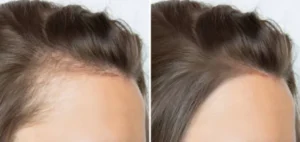



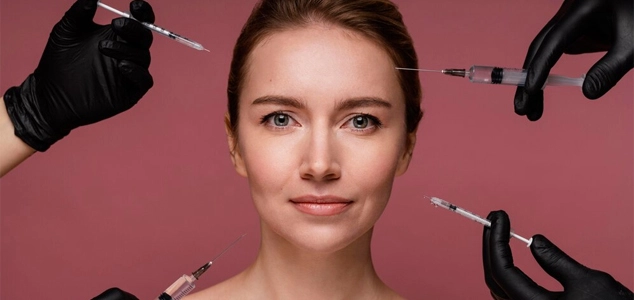
Are you considering Botox or wondering how many units you’ll need? The answer isn’t one-size-fits-all. It depends on several factors, including the severity of your wrinkles, the desired outcome, and your unique facial anatomy.
Botox Statistics indicate that the average Botox treatment can range from 10 to 40 units for common areas like the forehead and glabella, but individual needs can vary widely.
In this blog, we’ll discuss the factors that influence Botox dosage, provide general guidelines based on current statistics, and help you understand what to expect from your treatment.
What is a Unit of Botox?
A unit of Botox is a standard measure of the amount of Botox injected into a muscle. Each unit contains a specific concentration of botulinum toxin designed to block nerve signals in targeted areas. Typically, one unit contains 0.1 milliliters (mL) of the injectable solution, but concentrations can vary by product.
The number of Botox units needed varies widely based on the treatment area and individual needs. For example, forehead lines may require 10-30 units, frown lines 20-30 units, crow’s feet 5-15 units per side, brow lifts 5-10 units, and neck bands 20-50 units. Since treatment is highly individualized, consulting a qualified practitioner is essential to determine the appropriate amount for each person. Generally, treatments range from 10 to 50 total units, with a specific number depending on the areas being treated.
What is Botox Used For?
Botox, a purified form of botulinum toxin type A, is used for both cosmetic and medical purposes. In cosmetic applications, it is primarily utilized for wrinkle reduction, smoothing out dynamic wrinkles such as forehead lines, frown lines (glabellar lines), crow’s feet around the eyes, bunny lines on the nose, chin dimpling, and reducing the appearance of neck bands (platysma bands).
On the medical side, Botox is effective in reducing the frequency and severity of chronic migraines, treating excessive sweating (hyperhidrosis) in areas like the underarms, hands, and feet, and managing symptoms of overactive bladder, including urgency and incontinence.
Additionally, it can alleviate muscle spasms in conditions like cervical dystonia, help align the eyes in cases of strabismus (crossed eyes), and treat facial spasms such as blepharospasm, which causes involuntary eye closure. Overall, Botox is a versatile treatment that enhances aesthetics while addressing various medical conditions by temporarily paralyzing targeted muscles.
How Many Units of Botox is Normally Recommended By Common Treatment Areas?
The number of Botox units typically used for various treatments can vary based on the specific area being addressed.
How Many Units of Botox for Forehead Are Recommended?
The recommended amount of Botox for the forehead ranges from 10 to 30 units, depending on how strong the frontalis muscle is and how much movement needs to be softened. This variation occurs because stronger or highly active forehead muscles require more units to relax effectively, while lighter muscle activity or a desire for natural movement may require fewer units. Injection points are placed across the upper forehead and should be performed by a licensed aesthetic provider.
How Many Units of Botox for the Face Are Recommended?
The recommended amount of Botox for the face typically ranges from 10 to 50 units, depending on the area being treated and the strength of the underlying muscles. This range exists because high-activity muscles—such as those used for frowning or smiling need more units to achieve meaningful relaxation, while smaller or less active areas require fewer units to maintain natural expression. Different parts of the face use different injection sites based on facial anatomy.
How Many Units of Botox for Frown Lines Are Recommended?
Treating frown lines generally requires 20 to 30 units of Botox. This dosage is effective because the glabellar complex is one of the strongest muscle groups in the upper face, often requiring higher units to fully soften the vertical “11” lines. Injections are placed between the eyebrows by qualified medical injectors.
How Many Units of Botox for Crow’s Feet Are Recommended?
Crow’s feet typically require 5 to 15 units per side, depending on muscle strength and how pronounced the lines are during smiling. This range exists because the orbicularis oculi muscle varies significantly in activity from person to person. The injection sites are at the outer corners of the eyes.
How Many Units of Botox for Glabellar Lines Are Recommended?
Glabellar lines usually need 20 to 30 units of Botox. This muscle group is strong and responsible for deep frown lines, which is why higher dosing is often necessary for optimal softening. Injections are placed between the eyebrows by trained professionals.
How Many Units of Botox for an Eyebrow Lift Are Recommended?
An eyebrow lift generally requires 5 to 10 units of Botox. This dosage works by relaxing the muscles that pull the brows downward, allowing the brow elevators to lift the area slightly. Injection points are placed above the eyebrows.
How Many Units of Botox for a Smile Lift Are Recommended?
A smile lift typically uses 5 to 10 units of Botox. This range is needed because relaxing the depressor muscles around the mouth requires careful, conservative dosing to avoid altering natural expression. Injections are placed at the corners of the mouth.
How Many Units of Botox for Bunny Lines Are Recommended?
Bunny lines usually require 5 to 10 units of Botox. This dosage works because the nasalis muscle is relatively small, and only minimal units are needed to soften creasing on the sides of the nose. Injection points are positioned along the upper sides of the nose.
How Many Units of Botox for a Lip Flip Are Recommended?
A lip flip needs 4 to 8 units of Botox. This small dose relaxes the upper lip muscle just enough to create a subtle outward roll without affecting movement. Injections are placed along the upper lip border.
How Many Units of Botox for the Jawline Are Recommended?
Jawline slimming typically requires 20 to 50 units per side, depending on the size and strength of the masseter muscles. Larger or more active masseters require higher dosing to achieve contouring. Injection points are positioned along the lower jaw.
How Many Units of Botox for Masseter Treatment Are Recommended?
A masseter Botox unit range is 20 to 40 units per side, depending on masseter muscle thickness and the desired degree of facial slimming. Larger or hypertrophic masseter muscles generally require a higher number of units to achieve effective softening and muscle relaxation.
How Many Units Are Recommended By Gender
How Many Units of Botox for a Woman Are Recommended?
The recommended amount of Botox for a woman typically ranges from 10 to 30 units per treatment area, depending on muscle strength and the specific facial region being addressed. This range is generally lower because women often have smaller or less dense facial muscles compared to men, meaning fewer units are needed to achieve effective relaxation without over-treating. Dosing may vary based on expression patterns, desired movement, and whether multiple areas—such as the forehead, glabella, or crow’s feet are treated together.
How Many Units of Botox for a Man Are Recommended?
Men typically require 20 to 40 units per treatment area, depending on muscle size and how strong their facial expressions are. This higher range occurs because male facial muscles—especially in the forehead, glabella, and masseter region—tend to be thicker and more active, requiring more units to achieve the same degree of softening seen in women. Men also often have deeper expression lines, which can further influence total dosing.
How Much Does Botox Cost By Treatment Area?
The cost of Botox can vary significantly based on location, provider expertise, and specific treatment areas. Below is a detailed table outlining the pricing:
| Treatment Area | Average Units | Cost Per Unit | Total Estimated Cost |
| Face | 20-60 | $10-$15 | $200-$900 |
| Frown Lines | 20-30 | $10-$15 | $200-$450 |
| Crow’s Feet | 20-30 | $10-$15 | $200-$450 |
| Glabellar Lines | 20 | $10-$15 | $200-$300 |
| Forehead | 10-30 | $10-$15 | $200-$400 |
| Eyebrow Lift | 10-20 | $10-$15 | $100-$300 |
| Smile Lift | 5-10 | $10-$15 | $100-$200 |
| Bunny Lines | 5-10 | $10-$15 | $100-$200 |
| Lip Flip | 4-8 | $10-$15 | $80-$160 |
| Jawline | 20-30 | $20-$30 | $400-$900 |
How Much is Botox Per Unit?
The price for Botox per unit typically ranges from $10 to $20, depending on the provider and geographic location.
How Much is a Unit of Botox in mL?
One unit of Botox generally corresponds to approximately 0.1 mL of the injectable solution.
How Much is 10 Units of Botox?
The cost of 10 units of Botox would typically range from $100 to $200, depending on the cost per unit charged by the provider.
How Much is a Syringe of Botox?
A standard syringe of Botox, which contains 100 units, usually costs between $1,000 and $2,000, factoring in the total number of units and the provider’s pricing structure.
Botox Before and After
40 Units of Botox Before and After
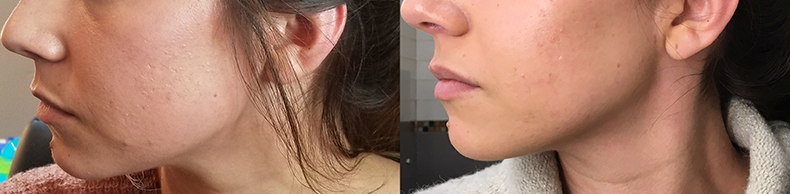
20 Units of Botox Before and After
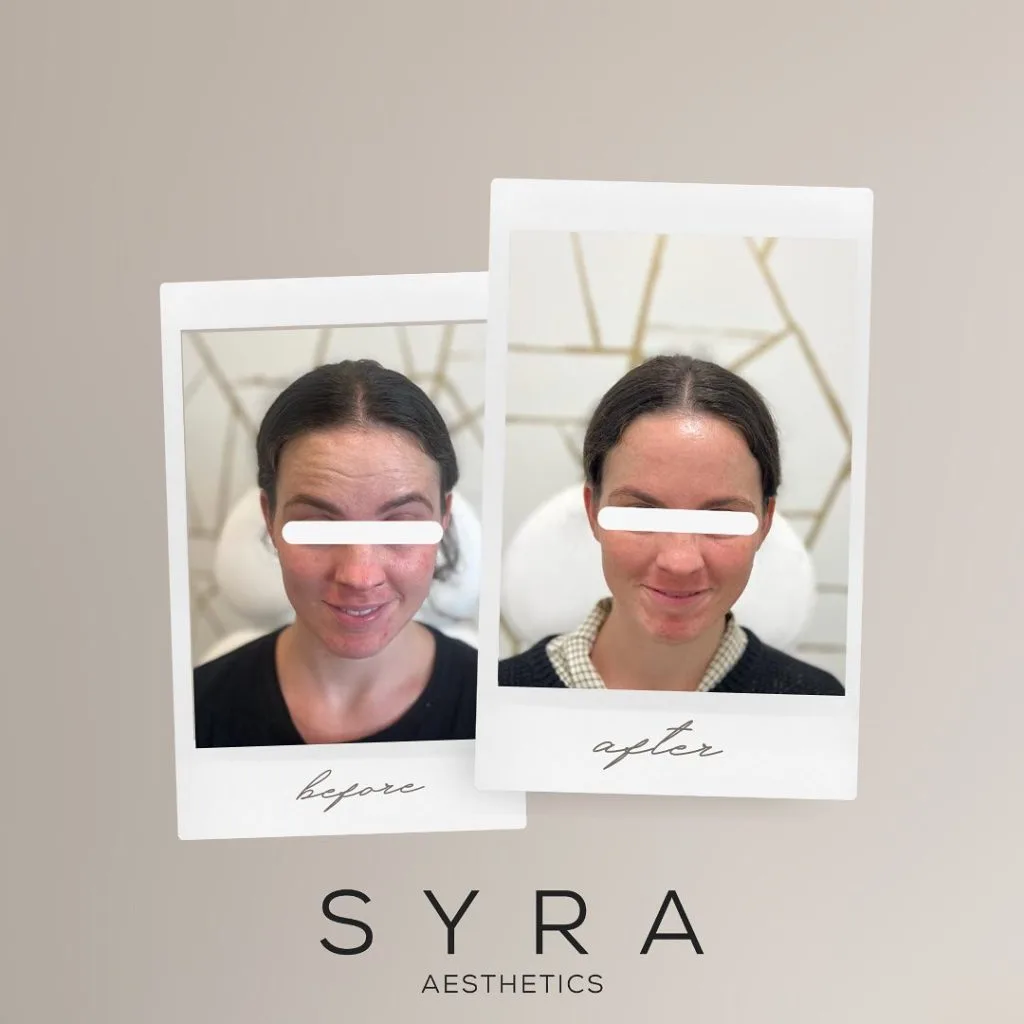
50 Units of Botox Before and After
Where to Get Botox for Best Results in Manhattan?
To achieve the best results from Botox in NYC, it’s crucial to target the correct injection sites. Common sites include the forehead for horizontal lines, the glabellar area for frown lines between the eyebrows, crow’s feet around the outer corners of the eyes, bunny lines on the nose, and neck bands for sagging skin in the neck area.
The typical number of units required for each area can vary: the forehead generally requires 10-30 units, glabellar lines 20-30 units, crow’s feet 5-15 units per side, bunny lines 5-10 units, and neck bands 20-50 units. A Botox injection face map is a helpful tool that visualizes where to inject and the units needed for each area.
How to Make Botox Last Longer?
To maximize the longevity of Botox effects, follow these steps:
- Choose an Experienced Practitioner: Select a qualified and experienced provider who understands facial anatomy and techniques.
- Follow Pre-Treatment Guidelines: Avoid blood thinners (like aspirin and ibuprofen) and alcohol for a few days before your appointment to minimize bruising.
- Post-Treatment Care: After the injections, avoid lying down or bending over for at least four hours to prevent the Botox from migrating.
- Avoid Strenuous Exercise: Refrain from intense physical activity for 24 hours post-treatment to allow the Botox to settle.
- Regular Touch-Ups: Schedule regular follow-up appointments as recommended by your provider to maintain results.
- Skincare Routine: Incorporate a good skincare routine that includes hydration and sun protection to support overall skin health.
- Consider Complementary Treatments: Treatments like microneedling or chemical peels can enhance skin texture and may help prolong Botox effects.
Frequently Asked Questions
How Many Units is in One Syringe of Botox?
A standard syringe of Botox typically contains 100 units. However, the amount can vary depending on the treatment and the individual’s needs.
How does Botox work?
Botox blocks nerve signals to muscles, preventing contractions and reducing wrinkles by relaxing targeted areas for smoother skin.
How Many Units of Botox for Migraines Are Recommended?
For chronic migraines, the recommended protocol ranges from 155 to 195 units, administered every 12 weeks. This higher dosage is necessary because multiple muscle groups across the head and neck are targeted for therapeutic relief.
How many units of Dysport is normal?
A typical dose of Dysport ranges from 50 to 100 units, depending on the treatment area and individual needs.
How much is 200 units of Botox?
The cost of 200 units of Botox typically ranges from $1,800 to $2,800, depending on the provider and location.
How many units of Botox do people usually get?
Most individuals receive 20 to 60 units of Botox for common areas, but it varies based on the treatment area and desired results.
How Much is Under Eye Botox?
Under-eye Botox costs about $300 to $800 per treatment, depending on the amount used and the provider’s pricing.
Does Preventative Botox Work?
Yes, preventative Botox can reduce the formation of wrinkles by relaxing muscles before deep lines develop, often starting in the late 20s to early 30s.
Does Botox Work for Facial Slimming?
Yes, Botox can slim the face by relaxing the masseter muscles, reducing jaw size, and creating a more contoured appearance.

About The Author
Dr. Syra Hanif M.D.
Board Certified Primary Care Physician
Dr. Hanif is the Director of Aesthetic Medicine. She is a board-certified physician in Aesthetic Medicine who specializes in using non-surgical alternatives in order to enhance one's appearance through Botox and fillers.
Read More