




How Long Does Masseter Botox Last?
Masseter Botox lasts about 4 to 6 months. However, the duration can vary based on factors such as muscle activity, metabolic rate, and the specific neuromodulator brand used. First-time patients may notice a slightly shorter duration of 3 to 4 months, while repeat patients often experience longer-lasting results of 4 to 6 months as the masseter muscle gradually weakens and undergoes mild atrophy. Most people require 2 to 3 initial treatment sessions spaced 3–4 months apart to fully condition the masseter muscle, after which maintenance sessions every 4–6 months help sustain jawline slimming or relief from TMJ and bruxism.
How Long Does Masseter Botox Last the First Time?
Masseter Botox lasts about 3 to 4 months for first-time patients, depending on muscle size, chewing habits, and how strongly the masseter muscle is used throughout the day. First-time patients usually begin noticing softening of the masseter within 7 to 14 days, with visible jawline slimming or reduced clenching becoming more noticeable around 4 to 6 weeks as the muscle gradually relaxes.
Is Masseter Botox Permanent?
No, masseter Botox is not permanent, and its effects last about 3 to 4 months for first-time patients and up to 4 to 6 months after the muscle becomes conditioned. Masseter Botox wears off because the body gradually restores nerve-to-muscle communication, allowing the masseter muscle to regain strength and resume normal activity over time.
How Long Does Masseter Botox Take to Work?
Masseter Botox takes about 7 to 14 days to start working, with the earliest changes often felt as a slight reduction in clenching or chewing strength. Noticeable jawline slimming or improvement in TMJ- or bruxism-related symptoms usually becomes more visible around 4 to 6 weeks, as the masseter muscle gradually relaxes and begins its natural atrophy process.
The exact onset can vary depending on muscle size, degree of clenching or grinding, dosage, and injection technique. Very strong or hypertrophied masseter muscles may take closer to two weeks to soften, while smaller or less active masseters may respond sooner. Avoiding masseter massage, jaw workouts, chewing gum, and hard or chewy foods immediately after treatment can help support optimal activation and allow the Botox to settle effectively.
How Long Does Swelling Last After Masseter Botox?
Swelling after masseter Botox lasts about 24 to 72 hours, with most patients noticing the mild puffiness or localized fullness resolving within the first 2 to 3 days. Some individuals may experience very slight tenderness or firmness in the area for up to 5 to 7 days, especially if the masseter muscle is larger or if multiple injection points were used.
Swelling duration can vary based on injection technique, number of units, individual lymphatic response, and how sensitive the masseter area is to needle entry. To help minimize swelling, patients should avoid chewing gum, heavy jaw movement, strenuous exercise, facial massage, heat exposure, and sleeping facedown within the first 24 hours. Applying a cool compress, staying hydrated, and limiting salty foods can also support quicker recovery.
How Long Does Masseter Botox By Medical Condition Last?
Condition / Use Case | How Long It Lasts | Units Used (Per Side) |
TMJ Disorder | 3–4 months | 25–40 units |
Teeth Grinding (Bruxism) | 3–4 months | 30–40 units |
Jawline Slimming | 4–6 months | 20–30 units |
Chubby Cheeks (Muscle-Based Fullness) | 4–6 months | 20–30 units |
Round Face Slimming | 4–6 months | 20–30 units |
Double Chin (Muscle-Related Fullness) | 4–6 months | 20–30 units |
Migraines / Tension Headaches | 3–4 months | 25–35 units |
Masseter Hypertrophy | 4–6 months | 30–40 units |
How Long Does Masseter Botox Last for TMJ?
Masseter Botox for TMJ disorder lasts 3–4 months. Most TMJ treatments use 25–40 units per side, targeting muscle tension and clenching that overload the joint. Clinical data shows that Botox reduces masseter activity by up to 30–40% within 12 weeks, which correlates with decreased TMJ pain and improved jaw function. (Journal of Oral Rehabilitation)
How long does masseter Botox for teeth grinding last?
Masseter Botox for teeth grinding lasts 3–4 months. Bruxism treatment typically uses 30–40 units per side to reduce excessive bite force. Controlled trials show Botox reduces clenching intensity by over 20–30%, improving morning jaw soreness and decreasing enamel wear during the 3-month active period.
(Study: Botulinum Toxin A for Bruxism – RCT, Neurology)
How long does masseter Botox for the jawline last?
Masseter Botox for jawline slimming lasts 4–6 months. Cosmetic contouring often uses 20–30 units per side, targeting hypertrophied muscle bulk. Imaging studies show an average 15–30% reduction in masseter muscle thickness at 12 weeks, producing a visibly slimmer lower face.
(Study: Masseter Hypertrophy Reduction, Dermatologic Surgery)
How long does masseter Botox for chubby cheeks last?
Masseter Botox for chubby cheeks lasts 4–6 months. Most patients need 20–30 units per side to reduce muscle-driven lower-face fullness. MRI evidence shows masseter volume decreases by up to 20% after neuromodulator treatment, contributing to slimmer cheek contouring.
(Study: MRI Evaluation of Masseter Reduction, Aesthetic Plastic Surgery)
How long does masseter Botox for a round face last?
Masseter Botox for a round face lasts 4–6 months. Slimming treatments use 20–30 units per side, reducing muscle prominence that widens the lower face. Objective contouring studies document a measurable decrease in bigonial width within 8–12 weeks, supporting improved facial tapering. (Aesthetic Surgery Journal)
How long does masseter Botox for a double chin last?
Masseter Botox for a double chin lasts 4–6 months. When fullness is muscle-based, 20–30 units per side help reduce lateral masseter projection. MRI-based research shows a clear decrease in muscle cross-sectional area, improving jawline–chin definition during the treatment window.
(Study: MRI-Based Masseter Reduction, Journal of Craniofacial Surgery)
How long does masseter Botox for migraines last?
Masseter Botox for migraines lasts 3–4 months. Migraine-related treatment usually requires 25–35 units per side to reduce muscle-triggered pressure. Clinical PREEMPT data shows Botox reduces headache days by up to 50% in patients with muscular tension contributing to pain cycles.
(Study: PREEMPT Trials for Chronic Migraine, Cephalalgia Journal)
How long does masseter Botox for hypertrophy last?
Masseter Botox for hypertrophy lasts 4–6 months. Hypertrophy cases often require 30–40 units per side to target enlarged muscle fibers. Ultrasound assessments confirm a significant 20–30% reduction in muscle thickness after treatment, improving jawline width for several months.
(Study: Ultrasound Assessment of Masseter Atrophy, Muscle & Nerve Journal)
How Long Does Masseter Botox Last Before and After?
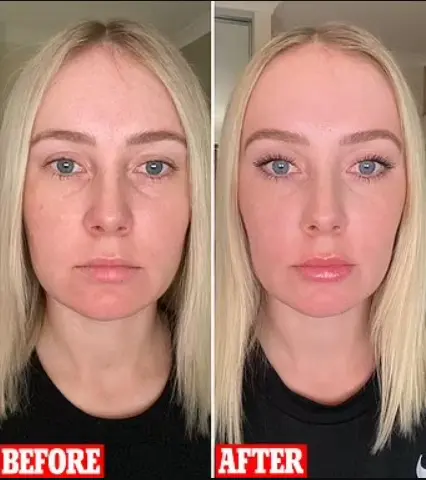
Makeup artist Lauren Curtis shows off her masseter Botox
Original Onset Period (2–14 days)
- Most patients begin noticing early softening of the masseter within 2 to 7 days.
- Improved jaw relaxation, reduced clenching, and decreased tension become noticeable throughout the first 1–2 weeks.
- TMJ- or bruxism-related symptoms often begin easing during this early phase.
Peak Results Window (2–4 weeks)
- The most visible jawline slimming and muscle relaxation appears between 2 to 4 weeks.
- This is when the masseter muscle reaches its maximum reduction in activity, helping relieve teeth grinding or jaw discomfort.
Duration of Full Effects (3–6 months)
- Full results last 3 to 6 months, depending on muscle strength, metabolic rate, and treatment dosage.
- Strong or hypertrophied masseter muscles may experience 3–4 months of longevity, while mild-to-moderate cases may last closer to 5–6 months.
- Effects gradually fade as nerve signaling returns and the masseter muscle regains strength.
What To Do And Not To Do After Masseter Botox
What to Do | What NOT to Do |
Apply a cool compress to reduce mild swelling | Avoid chewing gum for 24–48 hours |
Stay hydrated to support recovery | Do not massage, rub, or press on the masseter area |
Keep your head elevated for the first few hours | Avoid lying flat or face-down for 4 hours post-treatment |
Eat soft foods for the rest of the day | Avoid hard, chewy, or crunchy foods (steak, bagels, nuts) |
Perform gentle facial movements (smiling, speaking) | Avoid jaw workouts or heavy chewing |
Resume light activities and daily routines | Avoid intense exercise for 24 hours |
Use over-the-counter pain relievers if needed (avoid blood thinners unless prescribed) | Avoid alcohol, as it may worsen swelling or bruising |
Follow your practitioner’s aftercare instructions | Avoid makeup application on the injection area for 12 hours |
Monitor for improving symptoms such as reduced clenching or tension | Avoid heat exposure (saunas, hot yoga, hot showers) for 24–48 hours |
Factors that help masseter Botox last longer
Several key factors can influence how long masseter Botox remains effective, and understanding them can help extend the longevity of your results:
- Muscle Strength: Patients with moderately active masseter muscles (rather than extremely strong or overdeveloped ones) tend to maintain results longer because the muscle places less resistance against the neuromodulator.
- Metabolism: Individuals with a slower or average metabolic rate experience longer-lasting effects, as their body breaks down botulinum toxin more gradually.
- Dosage: Receiving an adequate and customized unit dosage allows the Botox to sufficiently weaken the masseter muscle, which helps prolong its duration.
- Injection Technique: Proper placement, depth, and distribution of injections help ensure even muscle relaxation and support longer-lasting functional or aesthetic results.
- Consistency: Staying consistent with follow-up sessions every 4–6 months gradually weakens the masseter muscle over time, helping each treatment last longer than the one before.
Factors That Make Masseter Botox Wear Off Faster
Masseter Botox begins to wear off gradually after 3 to 6 months, depending on how active the chewing muscles are, how quickly your body metabolizes the neuromodulator, and how well the injections were placed. As nerve signals slowly reconnect with the masseter muscle, strength and movement return, causing symptoms or jawline fullness to reappear.
Several factors can cause this fading process to happen sooner than expected, especially in individuals with strong clenching habits or lifestyle patterns that overstimulate the jaw.
- Insufficient Dosage: If too few units are injected, the masseter muscle may not weaken enough to sustain long-lasting results, especially in patients with strong or hypertrophic muscles.
- Improper Injection Technique: Incorrect placement, depth, or distribution of injections can lead to uneven muscle relaxation or reduced effectiveness, causing the Botox to wear off more quickly.
- Too Frequent Injections: Receiving injections too often can make the muscle adapt or may prevent the neuromodulator from settling properly, shortening the duration between treatment cycles.
- Poor Aftercare: Activities such as chewing gum, consuming tough or chewy foods, massaging the treated area, intense jaw movement, or early strenuous exercise can overstimulate the masseter and cause Botox to break down faster.
How to Choose a Good Practitioner for Masseter Botox
- Look for a medically qualified injector such as a board-certified dermatologist, plastic surgeon, or aesthetic practitioner experienced in neuromodulator treatments.
- Ask how often they perform masseter Botox, since this area requires a deep understanding of jaw anatomy and muscle function.
- Review botox before-and-after photos to evaluate their work with jawline slimming, symmetry, and natural muscle reduction.
- Confirm they understand facial anatomy, including the masseter, surrounding glands, and nerve pathways, to ensure safe and accurate injections.
- Discuss how they determine unit dosage, making sure they tailor treatment to your muscle strength, jaw shape, and whether your goal is TMJ relief, clenching reduction, or facial slimming.
- Ask about their injection technique, such as how they map injection points or measure muscle thickness, since technique affects both results and longevity.
- Check patient reviews for feedback on comfort, professionalism, and how well their results lasted.
- Choose someone who offers a proper consultation, takes time to understand your concerns, and explains realistic expectations and aftercare.
- Make sure they provide clear post-treatment instructions so you can protect your results and avoid habits that might shorten the effect.
- Consider reputable options like Dr Syra Aesthetics, especially if you prefer a practitioner known for natural results, careful dosing, and experience with masseter treatments; a helpful choice if you want a safe, non-surgical approach with personalized care.
Pros and Cons Of Masseter Botox
Pros | Cons |
Non-surgical treatment for jawline slimming, TMJ relief, and teeth grinding | Results are not permanent and last 3–6 months |
Reduces jaw tension and clenching, improving TMJ symptoms | May require multiple sessions to fully condition the masseter muscle |
Creates a slimmer, V-shaped jawline without surgery | Mild swelling, tenderness, or bruising may occur for a few days |
Helps prevent enamel wear and headaches caused by bruxism | Strong or hypertrophic masseter muscles may need higher doses |
Quick procedure (10–15 minutes) with no downtime | Risk of asymmetry if technique or placement is incorrect |
Noticeable improvement in facial contour and symmetry | Over-relaxation can temporarily weaken chewing strength |
Can reduce migraine frequency when jaw tension is a trigger | More expensive when higher units are required for functional cases |
Can improve facial balance by softening a bulky or square jaw | Requires ongoing maintenance every 4–6 months |
Customizable doses for both cosmetic and medical needs | Not suitable if pregnant, breastfeeding, or with certain neuromuscular conditions |
How Long Do Different Brands Last for Masseter Muscle?
How Long Does Botox vs Dysport Last for a Masseter?
Botox for the masseter muscle lasts about 4 to 6 months, while Dysport often lasts a similar 3 to 4 months, though some patients experience a slightly faster onset due to its greater diffusion. Botox is often preferred for patients seeking controlled slimming and targeted reduction, while Dysport can be ideal for individuals with strong, bulky, or wide masseter muscles who want quicker relaxation or a softer, more diffused effect.
How Long Does Botox vs Xeomin Last for Masseter?
Botox for the masseter muscle lasts about 4 to 6 months, while Xeomin generally lasts a similar 3 to 4 months, offering a purified, additive-free alternative for patients who prefer a cleaner formulation. Botox is ideal for patients wanting targeted contour refinement and predictable slimming, whereas Xeomin can be a good option for individuals who prefer a cleaner formulation or have shown resistance or reduced response to other neuromodulator brands.
How Long Does Botox vs Jeuveau Last for Masseter?
Botox for the masseter muscle lasts about 4 to 6 months, while Jeuveau provides similar longevity of 3 to 4 months, with some patients reporting a slightly smoother feel due to its modern manufacturing process. Botox is best for patients seeking refined, consistent jaw slimming or TMJ relief, whereas Jeuveau may appeal to those looking for a cost-friendly, modern neuromodulator for cosmetic masseter reduction.
How Long Does Botox vs Daxxify Last for a Masseter?
Botox for the masseter muscle lasts about 4 to 6 months, while Daxxify may last significantly longer, often 6 to 9 months due to its peptide-enhanced formulation that increases stability and longevity. Botox is ideal for individuals seeking traditional, well-studied masseter slimming or TMJ relief, whereas Daxxify may be better suited for patients who want extended longevity, busy schedules, or stronger masseter muscles requiring longer-lasting neuromodulator support.
Comparing Masseter Botox with alternative treatments
Masseter Botox is a non-surgical, temporary treatment that relaxes the masseter muscle to slim the jawline, reduce clenching, or alleviate TMJ-related tension. It provides effective masseter reduction, symptom relief, and noticeable facial slimming within 12 weeks, with up to 80% of patients in some studies expressing willingness to repeat treatment due to the minimal downtime and reversible nature of neuromodulators.
Research on masseter hypertrophy also suggests that non-surgical treatments like Botox are chosen far more often than surgical jaw reduction, as surgical options require significant recovery time and involve permanent structural changes. However, patients may still consider alternative treatments both non-surgical and surgical depending on their goals, desired longevity, and comfort with downtime. Below is a comparison of Masseter Botox with the most common alternatives.
Treatment | Type | What It Does | Longevity |
Masseter Botox | Non-surgical | Relaxes & reduces the masseter muscle for jaw slimming, TMJ & bruxism relief | 3–6 months |
Other Neuromodulators (Dysport, Xeomin, Jeuveau, Daxxify) | Non-surgical | Similar to Botox; different onset, spread, or duration depending on brand | 3–9 months |
Jawline Filler | Non-surgical | Adds structure/definition (does not slim muscle) | 12–24 months |
Kybella | Minimally invasive | Dissolves submental fat for double-chin reduction | Permanent |
Ultherapy / Radiofrequency | Non-surgical | Tightens skin; mild contouring | 6–24 months |
Surgical Jaw Reduction | Surgical | Permanently slims jaw by reducing bone ± muscle | Permanent |
How much does masseter Botox cost in NYC?
Masseter Botox in NYC costs $600 to $1,200 per session. Pricing varies based on the number of units required, the injector’s expertise, and the clinic’s location.
How often should you get masseter Botox?
You should get masseter Botox every 4 to 6 months. Most patients need consistent treatments to maintain jawline slimming or relief from clenching, bruxism, and TMJ symptoms.
Does masseter Botox hurt?
Masseter Botox causes only mild discomfort. The injections feel like small pinches, and most providers use ice or numbing to make the procedure easily tolerable.
Is masseter Botox covered by insurance?
No, Masseter Botox is not usually covered by insurance. It is considered a cosmetic treatment unless medically required for severe TMJ or bruxism, and even then coverage is limited.
Does masseter Botox cause jowls?
Masseter Botox can cause mild jowls in some cases. This happens when the muscle weakens too quickly or the dose is too high, which may lead to slight lower-face volume shift proper technique helps prevent this.

About The Author
Dr. Syra Hanif M.D.
Board Certified Primary Care Physician
Dr. Hanif is the Director of Aesthetic Medicine. She is a board-certified physician in Aesthetic Medicine who specializes in using non-surgical alternatives in order to enhance one's appearance through Botox and fillers.
Read More