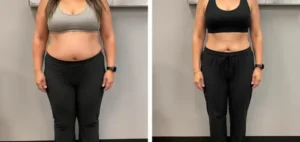




A medical weight loss program in NYC is a physician-led clinical evaluation that assesses body composition, metabolic status, and obesity-related risks to create an individualized treatment plan. It integrates structured assessment with therapeutic planning, focusing on safe, regulated interventions such as prescription medications and supervised lifestyle adjustments within a controlled medical setting.
During the consultation, the clinician reviews your medical history, evaluates biomarkers, and determines eligibility for GLP-1 medications. These medications regulate appetite and glucose metabolism. Clinical studies show that patients using semaglutide achieve an average weight reduction of 12% to 15% of body weight over 68 weeks, indicating measurable outcomes in physician-supervised weight management programs.
Patients undergoing consultation may experience gradual fat reduction, improved metabolic markers, and structured weight control when adherence remains consistent. Limitations include variability in individual response, potential medication-related side effects, and the need for ongoing monitoring. Long-term maintenance requires sustained lifestyle adherence, as discontinuation of pharmacologic therapy may lead to partial weight regain in some cases.
What are the types of medical weight loss consultation?
The two types of medical weight loss consultations are telehealth consultations and in-clinic consultations.
- Telehealth consultations take place remotely through secure video platforms, allowing patients in NYC to discuss medical history, treatment options, and medications from home.
- In-clinic consultations occur in a medical office setting, where physicians can perform physical assessments, take measurements, and conduct diagnostic testing when needed.
The most appropriate format depends on clinical needs, convenience, and whether physical evaluation is required.
What to expect during your medical weight loss consultation?
The process begins with scheduling an appointment, followed by completion of a detailed intake form. This form includes a comprehensive review of medical history, current medications, weight history, and lifestyle factors such as diet, physical activity, and sleep patterns. The information is used to assess risk factors and guide clinical decision-making.
It provides Dr. Syra Hanif with essential data to evaluate metabolic status, identify potential comorbidities, and ensure that the treatment plan is tailored to the patient’s specific health needs, minimizing risks and optimizing outcomes.
1. Dr. Syra Hanif Evaluation
During the medical weight loss consultation, Dr. Syra Hanif performs a comprehensive clinical assessment focused on metabolic health and factors influencing weight regulation.
This may include:
- Review of previous weight loss attempts
- Evaluation of conditions such as insulin resistance or thyroid disorders
- Measurement of BMI, blood pressure, and body composition
Laboratory testing may also be recommended to assess hormonal balance, glucose levels, and lipid profiles.
How long does a medical weight loss consultation take?
A medical weight loss consultation takes 30 to 60 minutes, depending on the complexity of your case and whether it is an initial or follow-up visit. Initial consultations are usually longer, as they include a detailed medical history review, lifestyle assessment, and discussion of treatment options.
Initial consultations are longer, as it includes detailed assessment and discussion of treatment options.
2.1. Personalized Treatment Plan
Based on clinical findings, Dr. Syra Hanif develops a structured treatment plan to address weight reduction and metabolic support. The plan integrates medical insight with patient-specific goals, ensuring that interventions remain appropriate for underlying conditions. Adjustments are designed to align with measurable outcomes while maintaining safety and long-term feasibility within a supervised medical framework.
2.2. Lifestyle Strategy
The consultation includes guidance from Dr. Syra Hanif on nutrition, physical activity, and behavioral patterns that influence weight regulation. Recommendations are tailored to individual routines and metabolic needs rather than standardized approaches.
Emphasis is placed on sustainable dietary structure, consistent movement, and management of contributing factors such as sleep patterns and stress-related eating behaviors.
2. Medical Treatments
When clinically appropriate, Dr. Syra Hanif may prescribe treatments such as GLP-1 receptor agonists to support appetite regulation and metabolic control. These therapies are selected based on eligibility criteria and monitored for safety. Patients receiving semaglutide show an average weight reduction of 14.9% over 68 weeks according to the STEP 1 trial, reflecting measurable clinical impact under supervision.
3. Advanced Options
For patients with complex or resistant obesity, Dr. Syra Hanif may consider additional interventions to support overall wellness and weight management:
- Hormone Optimization: In cases where hormonal imbalances contribute to weight gain or difficulty losing weight, Dr. Hanif may recommend personalized hormone therapy in nyc. Addressing thyroid issues, cortisol imbalances, and estrogen/progesterone levels can significantly enhance weight loss efforts.
- Peptide Therapy for weight loss: For patients with specific needs, peptide therapy treatments can be explored to support metabolism, fat loss, and overall health.
- IV Therapy for Metabolic Support: Some patients may benefit from IV therapy as part of their weight loss journey. This may include treatments to improve hydration, boost metabolism, and support energy levels, which are essential for sustaining weight loss efforts. IV therapy can be a complementary treatment to help patients feel more energized and support their body’s natural processes.
Each of these options is carefully considered based on the patient’s health profile, response to initial treatments, and long-term weight management goals. These treatments are closely monitored to ensure safety and effectiveness, providing a comprehensive approach to achieving and maintaining a healthy weight.
What to expect after your medical weight loss consultation?
After the consultation, you begin a structured treatment phase based on your personalized plan, which includes prescribed medications, a nutrition plan, and physical activity guidelines. Clear clinical instructions are provided to ensure the safe use of therapies and maintain consistency during the early stages of the program.
Ongoing monitoring is essential to assess progress, track weight trends, and evaluate how well you tolerate the interventions.
Follow-up visits focus on adjusting medication dosing, nutrition, and exercise plans to ensure the treatment remains effective. Patients may notice early changes, such as reduced appetite or slight weight loss, within a few weeks, with more significant results typically becoming evident within 8 to 12 weeks with consistent adherence.
What are the eligibility criteria for medically assisted weight loss programs?
Eligibility criteria for weight loss programs is based on clinical guidelines that assess body weight, health status, and prior weight management efforts. Patients with a BMI of 30 or higher, or a BMI of 27 or higher with obesity-related conditions such as diabetes, hypertension, or dyslipidemia, are typically considered candidates for medical intervention.
Additional criteria include a history of unsuccessful weight loss through diet and exercise, absence of contraindications to prescribed medications, and willingness to follow a structured, physician-supervised program. Evaluation may also include screening for metabolic or hormonal conditions to ensure that treatment is appropriate, safe, and aligned with individual health needs.
When should you consult a doctor about weight loss?
You should consult a doctor about weight loss when self-directed efforts such as diet and exercise do not produce consistent results, or when weight gain occurs without a clear cause. Medical evaluation is also appropriate if you have a BMI in the overweight or obesity range, or if weight is associated with conditions such as diabetes, hypertension, or hormonal imbalance.
If you experience persistent fatigue, irregular cycles, increased appetite, or difficulty maintaining weight loss, seeking care from a physician such as Dr. Syra Hanif can help identify underlying metabolic or hormonal factors. A structured consultation allows for targeted evaluation and development of a personalized, medically supervised weight management plan.
What Questions should you ask during your medical weight loss consultation?
- What is the primary cause of my weight gain or resistance to weight loss?
- Do I have any underlying conditions affecting my metabolism?
- Do I need lab testing to guide treatment?
- How long will it take to see noticeable results?
- Am I a candidate for medical weight loss treatments or injections?
- Which option is most appropriate for my condition?
- What are the potential side effects and risks?
- How long will treatment last?
- Will this treatment interact with my current medications or conditions?
- Are there any long-term risks I should be aware of?
- What happens after I reach my target weight?
- What is included in the program and what are the total costs?
- How often will follow-ups occur and how will progress be monitored?
Where can you find a medical weight loss clinic in NYC?
There are numerous weight loss clinics in NYC, offering physician-supervised programs across Manhattan. Dr. Syra Aesthetics & Longevity Institute is a leading choice for medical weight loss care in nyc, located at 119 W 57th St, New York, NY 10019 in Midtown Manhattan. The clinic is near Central Park South, Carnegie Hall, Times Square, and Bryant Park, with convenient access from Hell’s Kitchen, Upper West Side, Midtown East, Chelsea, and SoHo.
When choosing a clinic for your weight loss, look for a licensed physician actively managing your care, with clear evaluation protocols such as medical history review and diagnostic testing. Confirm that the clinic provides FDA-approved treatments like GLP-1 medications, structured follow-up schedules, and ongoing dose adjustments. Review pricing clarity, consultation depth, and frequency of monitoring, and ensure the clinic offers consistent, physician-led support throughout the program.
How do you schedule a medical weight loss consultation at Dr. Syra Aesthetics?
Scheduling a medical weight loss consultation at Dr. Syra Aesthetics & Longevity Institute involves selecting your preferred appointment type, either in-clinic or virtual, and choosing a suitable date and time. You then provide basic contact details to confirm the booking. The clinic follows up with confirmation and any required instructions, including consultation fee details. Before your visit, you may be asked to share medical history and current medications to support a focused evaluation.
Do medical weight loss clinics take insurance?
At Dr. Syra Aesthetics & Longevity Institute, insurance coverage for medical weight loss services varies based on your individual plan and the type of treatment recommended. Some medically necessary services may qualify for coverage, while many weight loss programs and medications are handled as out-of-pocket expenses. Since benefits differ, scheduling a consultation or contacting the clinic allows you to review your eligibility, treatment plan, and expected costs in a clear and structured manner.

Written & Medically Reviewed by
Dr. Syra Hanif, M.D.
Board-Certified Primary Care Physician
Dr. Syra Hanif, M.D., is a board-certified physician specializing in aesthetic medicine, longevity, and preventative wellness. As Medical Director of Dr. Syra Aesthetics & Longevity Institute in NYC, she focuses on aesthetics, healthy aging, and overall wellness.
Read More