


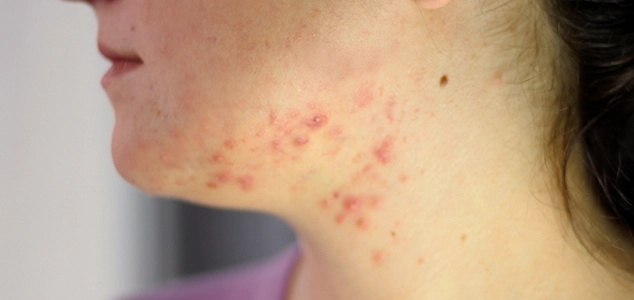
Neck acne develops when oil and dead skin cells block hair follicles, causing blackheads, whiteheads, papules, pustules, nodules, or cysts. The right treatment depends on the type and severity of acne, its underlying cause, and whether the concern involves active breakouts, dark marks, or permanent scars. Hormonal fluctuations, excess oil, sweat, shaving, tight collars, medications, and pore-clogging hair or skincare products can trigger neck acne. However, not every neck bump is acne. Folliculitis, ingrown hairs, contact irritation, and acne keloidalis nuchae can look similar, making an accurate diagnosis essential.
Mild neck acne often responds to salicylic acid, benzoyl peroxide, azelaic acid, or topical retinoids. Persistent inflammatory, hormonal, nodular, or cystic acne requires medical treatments such as prescription antibiotics, hormonal therapy, isotretinoin, or corticosteroid injections. Chemical peels, professional extractions, and selected light-based procedures address specific acne and post-acne concerns. Acne scars require treatment according to their structure. Chemical peels and Lumecca IPL target selected discoloration, while microneedling, radiofrequency microneedling, fractional laser resurfacing, TCA CROSS, subcision, and dermal fillers treat different depressed scars. Corticosteroid injections and silicone therapy address raised or keloid scars.
Dr. Syra Hanif evaluates the lesion type, scar structure, skin tone, sensitivity, hormonal pattern, and previous treatment response before recommending skincare, prescription treatment, professional procedures, or a combined plan. Gentle cleansing, non-comedogenic products, reduced friction, sweat management, and avoiding picking also help prevent new breakouts and scars.
Key Facts About Neck Acne
- Blackheads and whiteheads involve blocked pores, while papules, pustules, nodules, and cysts involve increasing levels of inflammation.
- Salicylic acid treats clogged pores, benzoyl peroxide treats inflamed pimples, and topical retinoids help prevent recurring breakouts.
- Painful nodules, deep cysts, recurring acne, and breakouts that leave scars require professional evaluation.
- Folliculitis, ingrown hairs, contact irritation, and acne keloidalis nuchae can resemble neck acne but require different treatments.
- Flat red or brown post-acne marks are discoloration, while depressed and raised acne scars involve structural skin changes.
- Early treatment and reduced friction, sweating, picking, and pore-clogging products lower the risk of persistent breakouts, pigmentation, and permanent scarring.
What is Neck Acne?
Neck acne refers to the appearance of pimples, blackheads, whiteheads, or cysts specifically on the skin of the neck area. Acne occurs when hair follicles become clogged with oil, dead skin cells, and bacteria. This blockage leads to inflammation, which manifests as pimples or bumps. Pimples on the neck can sometimes be more irritating because the skin there is thinner and often exposed to friction from clothing, collars, or even hair products, which can exacerbate the problem.
A clinical study published in the Journal of Dermatology examined patterns of acne distribution and found that neck acne is more prevalent among teenagers and young adults, often correlating with hormonal fluctuations that increase sebum production. It can also be aggravated by external factors like sweat, friction, or certain fabrics that trap moisture and bacteria. People with oily skin or those prone to acne in other areas, such as the face or back, are more likely to develop neck acne.
It’s primarily seen in adolescents and young adults, but anyone with acne-prone skin can experience it. Hormonal changes, stress, poor hygiene, and lifestyle factors like diet or using comedogenic (pore-clogging) products on the neck can contribute.
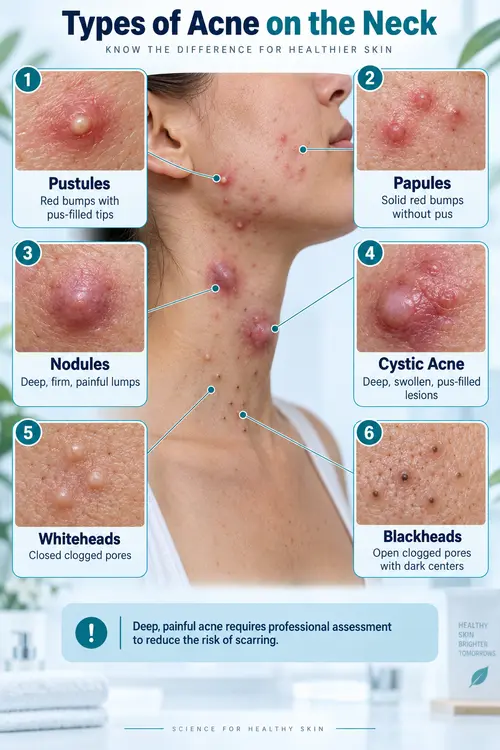
What are the different types of acne on the neck and their symptoms?
Acne on the neck can come in various forms. These types can help identify the best treatment methods for both males and females.
Pustules on Neck
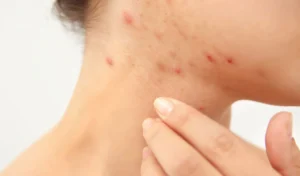
Pustules on the neck are a type of inflammatory acne characterized by small, red bumps topped with white or yellow pus. They form when hair follicles become clogged with oil, dead skin cells, and bacteria, causing an immune response that leads to pus accumulation. Common causes include hormonal changes, excess oil production, poor hygiene, friction from clothing or collars, and sometimes allergic reactions to skincare products.
Treatment involves keeping the area clean, using topical antibacterial or anti-inflammatory creams such as benzoyl peroxide or salicylic acid, and in more severe cases, prescription medications like topical antibiotics or retinoids. Prevention focuses on maintaining good skin hygiene, avoiding tight or irritating clothing around the neck, using non-comedogenic products, and managing sweat and oil buildup to reduce pore blockage and inflammation.
Papules
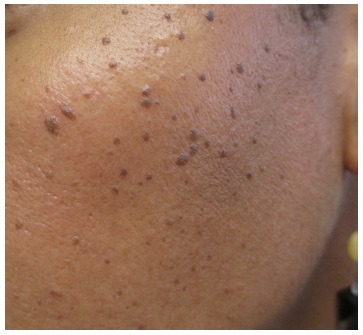
Papules on the neck are small, raised, solid bumps that usually appear red and inflamed but don’t contain pus like pustules do. They occur when hair follicles get clogged with excess oil and dead skin cells, causing mild inflammation without infection. The main causes include hormonal fluctuations, friction from clothing or accessories, stress, and using harsh or irritating skincare products.
Treatment often involves gentle cleansing, topical anti-inflammatory agents like benzoyl peroxide or retinoids, and avoiding anything that might irritate the skin further. Preventing papules relies on keeping the neck area clean and dry, wearing loose-fitting clothes, and choosing skincare products that won’t clog pores or cause irritation.
Nodules
Nodules on the neck are large, hard, and painful lumps that form deep beneath the skin’s surface due to severe inflammation of clogged hair follicles. Unlike smaller pimples, nodules are solid and don’t have a visible head or pus. They occur when the body’s immune system reacts strongly to trapped oil, bacteria, and dead skin cells, often linked to hormonal imbalances, genetics, or severe acne conditions.
Treatment usually requires stronger medical intervention, such as oral antibiotics, hormonal therapy, or isotretinoin prescribed by a dermatologist, since topical treatments alone often aren’t effective. Preventing nodules involves early and consistent acne management, avoiding skin irritation, and seeking professional care at the first signs of worsening acne to reduce the risk of scarring and long-term skin damage.
Cystic Acne
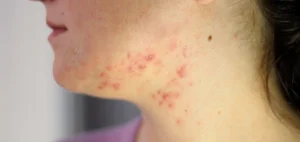
Cystic acne on the neck is a severe and painful form of acne characterized by large, swollen, pus-filled cysts deep under the skin. These cysts develop when hair follicles become heavily clogged with oil, dead skin cells, and bacteria, triggering intense inflammation and infection. Causes include hormonal imbalances, genetics, excessive oil production, and sometimes skin irritation or friction from clothing.
Treatment usually requires professional medical care, often involving oral antibiotics, corticosteroid injections, hormonal therapy, or isotretinoin, as cystic acne rarely improves with over-the-counter products alone. Prevention focuses on early acne treatment, avoiding skin irritation, and maintaining a consistent skincare routine to minimize flare-ups and reduce the risk of scarring.
Whiteheads
Whiteheads on the neck are a type of non-inflammatory acne where pores become clogged with oil, dead skin cells, and bacteria but remain closed at the surface, creating small, flesh-colored or white bumps. Unlike blackheads, which have open pores, whiteheads stay sealed, preventing the trapped material from oxidizing and turning dark. Common causes include excess oil production, hormonal changes, using heavy or pore-clogging skincare products, and inadequate cleansing.
Treatment usually involves gentle exfoliation and cleansing with products containing salicylic acid or benzoyl peroxide to help clear pores. Prevention includes maintaining good hygiene, avoiding heavy or oily products on the neck, and regularly removing sweat and dirt to keep pores from clogging.
Blackheads
Blackheads on the neck are clogged hair follicles filled with excess oil and dead skin cells, where the pore remains open to the air. The black color results from oxidation of the material inside the pore, not from dirt.
Blackheads commonly develop due to increased sebum production, hormonal changes, accumulation of dead skin, and the use of comedogenic skincare products. Treatment includes regular cleansing, exfoliation with salicylic acid, and topical retinoids to promote pore unclogging and reduce oil production. Prevention involves maintaining proper hygiene, avoiding heavy or oily products, and minimizing friction or sweating that can contribute to pore blockage.
Why Am I Suddenly Getting Acne on My Neck?
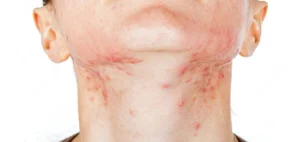
Suddenly getting acne on your neck can feel frustrating, and it usually happens because of a mix of factors that change your skin’s environment.
One common reason is hormonal fluctuations, which can occur during stress, puberty, menstrual cycles, or even certain medications, causing your skin to produce more oil that clogs pores.
Another factor could be increased friction or irritation. Maybe you started wearing tighter collars, backpacks, or scarves that rub against your neck, triggering acne mechanics.
Changes in skincare or hair products can also cause breakouts if they clog pores or irritate sensitive neck skin.
Sometimes, sweating more than usual without proper cleansing, especially after workouts or hot weather, can promote bacterial growth and inflammation.
Sudden diet changes or stress can also impact hormone levels and skin health, leading to unexpected neck acne. Identifying and adjusting these triggers usually helps clear it up.
What Are the Best Treatments for Neck Acne?
The best treatment for neck acne depends on the type and severity of the breakout. Salicylic acid and retinoids clear clogged pores, benzoyl peroxide treats inflammatory pimples, prescription medications control persistent acne, and professional procedures address selected breakouts, discoloration, and acne scars. Neck acne treatment must match the lesion rather than follow one routine for every breakout. Blackheads and whiteheads require pore-clearing treatments. Papules and pustules require anti-inflammatory treatment. Nodules and cysts require medical evaluation because they develop deeper in the skin and carry a greater risk of scarring. A clinical assessment also distinguishes acne from folliculitis, ingrown hairs, contact irritation, and acne keloidalis nuchae. These conditions can resemble neck acne but require different treatment strategies.
| Treatment | Best used for | Main mechanism | Expected timeframe | Main limitation |
|---|---|---|---|---|
| Salicylic acid | Blackheads and whiteheads | Clears oil and dead cells from pores | 4–8 weeks | Limited effect on deep inflammation |
| Benzoyl peroxide | Papules and pustules | Reduces bacteria and inflammation | 4–8 weeks | Can cause dryness and bleach fabric |
| Topical retinoids | Recurring or mixed acne | Prevents follicular blockage | 6–12 weeks | Early dryness and irritation |
| Azelaic acid | Acne with dark marks | Reduces inflammation and pigment production | 8–12 weeks | Slower than benzoyl peroxide |
| Prescription antibiotics | Widespread inflammatory acne | Reduces bacteria and inflammation | 6–8 weeks | Requires limited-duration use |
| Hormonal treatment | Hormonal jawline and neck acne | Reduces androgen-driven oil production | 8–24 weeks | Requires medical screening |
| Isotretinoin | Severe, nodular, or scarring acne | Suppresses oil and multiple acne pathways | Several months | Requires strict medical monitoring |
| Corticosteroid injection | Individual painful cysts | Rapidly suppresses inflammation | 24–72 hours | Does not prevent future acne |
| Chemical peels | Comedones and superficial marks | Exfoliates follicles and surface pigment | Multiple sessions | Does not treat deep cysts |
| Professional extractions | Stubborn blackheads and whiteheads | Physically removes follicular plugs | Immediate | Does not stop new acne |
| Light-based treatment | Selected redness or pigmentation | Targets pigment or vascular changes | Multiple sessions | Does not treat every acne type |
Salicylic Acid for Blackheads and Whiteheads
Salicylic acid is a beta-hydroxy acid used in acne cleansers, pads, and leave-on products. It penetrates oil-filled follicles and loosens the mixture of sebum and dead skin cells that blocks the pore. Salicylic acid works best for blackheads, whiteheads, and mild comedonal neck acne. It is less effective than benzoyl peroxide for inflamed pustules and less effective than prescription treatment for deep nodules or cysts. Consistent use can improve clogged pores within 4–8 weeks. Starting several times weekly allows the neck skin to adjust and reduces excessive dryness.
Benzoyl Peroxide for Inflamed Neck Pimples
Benzoyl peroxide is an antimicrobial and anti-inflammatory topical treatment. It reduces acne-associated bacteria inside the follicle while helping clear excess oil and dead skin cells. Benzoyl peroxide works best for red papules and pus-filled pustules. A wash-off formula often suits the neck because clothing, shaving, and skin products already expose this area to irritation. Results commonly begin within 4–8 weeks. Benzoyl peroxide works more directly against inflammatory lesions than salicylic acid, but it can dry the skin and bleach clothing, towels, or pillowcases.
Topical Retinoids for Recurring Neck Acne
Topical retinoids are vitamin A derivatives, including adapalene and prescription tretinoin. They normalize skin-cell turnover, clear early follicular blockages, reduce inflammation, and prevent new comedones from forming. Retinoids work best for recurring blackheads, whiteheads, papules, and mixed acne. Benzoyl peroxide controls inflammatory pimples more quickly, while retinoids provide stronger long-term prevention. Improvement commonly begins after 6–8 weeks, with fuller results developing around 12 weeks. Gradual introduction, moisturizer, and daily sunscreen reduce dryness and peeling. Retinoid use during pregnancy requires medical guidance.
Azelaic Acid for Acne and Dark Marks
Azelaic acid is a topical anti-inflammatory and pigment-regulating treatment. It reduces follicular bacteria, supports normal cell turnover, and limits excessive pigment production after inflammation. Azelaic acid works best when active neck acne appears with flat brown or gray marks. It also provides an alternative when benzoyl peroxide or retinoids cause excessive irritation. Azelaic acid is gentler but usually works more slowly than benzoyl peroxide. It improves active acne and post-inflammatory hyperpigmentation, but it does not rebuild collagen lost from depressed scars.
Prescription Antibiotics for Inflammatory Neck Acne
Prescription antibiotics reduce acne-associated bacteria and inflammation. Topical antibiotics treat localized inflammatory acne, while oral antibiotics treat widespread papules, pustules, and deeper inflammatory lesions. Antibiotics work better for inflammatory acne than for blackheads or whiteheads. They are combined with benzoyl peroxide and a topical retinoid because antibiotics alone do not provide long-term control and increase the risk of bacterial resistance. Improvement often begins within 6–8 weeks. Oral antibiotic courses remain limited to the shortest clinically appropriate duration, followed by a non-antibiotic maintenance treatment.
Hormonal Treatment for Hormonal Neck Acne
Hormonal treatment reduces androgen-driven oil production. Treatment options for eligible women include combined oral contraceptives and spironolactone after medical screening. Hormonal therapy works best for persistent adult acne, cyclical breakouts, and acne concentrated around the lower face, jawline, and neck. It does not treat folliculitis, contact irritation, or shaving-related ingrown hair. In a randomized trial involving 410 adult women, 82% of the spironolactone group reported improvement at 24 weeks compared with 63% of the placebo group. Treatment requires a review of medications, pregnancy plans, blood pressure, and relevant medical conditions.
Oral Isotretinoin for Severe or Scarring Acne
Oral isotretinoin is a systemic retinoid that reduces sebaceous-gland activity, oil production, follicular blockage, bacterial growth, and inflammation. Isotretinoin is reserved for severe nodular or cystic acne, acne producing permanent scars, or disease that continues despite appropriate topical and oral treatments. It treats more acne pathways than any individual topical medication. A course generally lasts several months. Around 85% of appropriately selected patients achieve substantial long-term clearance after 1 course, although recurrence and additional treatment remain possible. Isotretinoin requires strict pregnancy prevention and medical monitoring.
Corticosteroid Injections for Painful Acne Cysts
An intralesional corticosteroid injection places anti-inflammatory medication directly inside an individual cyst or nodule. It rapidly reduces inflammation, swelling, pain, and pressure. Corticosteroid Injections treatment works best for 1–3 large, painful lesions that require rapid control. Improvement can begin within 24–72 hours. Corticosteroid injections do not prevent future acne and cannot replace a complete acne-control plan. Excess medication can produce temporary skin thinning, lighter pigmentation, or an indentation, so the dose must be carefully selected.
Chemical Peels for Clogged Pores and Post-Acne Marks
Chemical peels apply a controlled acidic solution to the skin. Ingredients such as salicylic acid and glycolic acid exfoliate surface cells, clear follicular buildup, and accelerate the fading of superficial post-acne discoloration. Chemical peels work best for comedonal acne, uneven surface texture, and flat dark marks. They do not provide sufficient treatment for deep nodules, cysts, or tethered acne scars. A treatment plan commonly includes 3–6 sessions, depending on peel depth and skin response. Because neck skin can react more strongly than facial skin, the peel type and strength must match the person’s skin tone, sensitivity, and pigmentation risk.
Professional Extractions for Stubborn Comedones
Professional extraction uses sterile instruments and controlled pressure to remove selected blackheads and whiteheads without squeezing the surrounding skin. Extractions provide immediate removal of visible follicular plugs. They do not reduce hormonal activity, oil production, inflammation, or the formation of new acne. For that reason, extractions work best as a supplementary treatment alongside salicylic acid or a topical retinoid. At-home squeezing increases inflammation, skin injury, infection risk, pigmentation, and scarring.
Laser and Light Treatments for Selected Acne Concerns
Laser and light treatments use specific wavelengths of energy to target inflammation, vascular redness, pigmentation, or selected acne-related processes. Blue-light treatment primarily targets acne-associated bacteria. Vascular light treatments target persistent redness. Intense pulsed light primarily treats post-acne redness and brown discoloration rather than deep active cysts. Light-based treatments do not replace prescription medication for severe nodular or cystic acne. They work best when an examination confirms the exact concern the device is designed to treat.
Which Neck Acne Treatment Is Better?
No single neck acne treatment is better for every breakout. Salicylic acid is better for clogged pores, benzoyl peroxide is better for inflammatory pimples, retinoids are better for prevention, and prescription medication is better for persistent, nodular, cystic, or scarring acne.
Combination treatment often produces better control because acne develops through several connected processes. For example, benzoyl peroxide reduces inflammatory bacteria while a retinoid prevents follicular blockage. A medical evaluation determines whether additional treatment with antibiotics, hormonal medication, isotretinoin, or a professional procedure is necessary.
What Are the Best Treatments for Neck Acne Scars?
The best treatment for neck acne scars depends on whether the remaining concern is a flat dark mark, depressed scar, raised scar, persistent redness, or uneven texture. Chemical peels treat superficial marks, microneedling remodels depressed scars, and corticosteroid injections flatten raised scars. Active acne must be controlled before most scar procedures begin. Continuing breakouts create new scars and interfere with healing. Flat red, brown, or gray marks must also be separated from true scars because discoloration has not permanently changed the skin’s structure.
| Scar concern | Preferred treatment | Why it fits |
|---|---|---|
| Flat brown or gray marks | Chemical peels or pigment treatment | Targets excess surface pigment |
| Persistent post-acne redness | Lumecca IPL or vascular treatment | Targets visible red pigment |
| Shallow rolling scars | Microneedling | Stimulates gradual collagen remodeling |
| Depressed scars with laxity | RF microneedling | Provides deeper collagen stimulation |
| Widespread textural scars | Fractional laser resurfacing | Produces stronger resurfacing |
| Narrow ice-pick scars | TCA CROSS | Treats individual deep scars precisely |
| Tethered rolling scars | Subcision | Releases fibrous attachments |
| Broad indented scars | Dermal fillers | Immediately lifts selected depressions |
| Raised or keloid scars | Corticosteroid injections | Reduces excessive collagen |
| Newer raised scars | Silicone therapy | Provides gradual non-invasive flattening |
Chemical Peels for Superficial Marks and Texture
Chemical peels remove controlled layers of damaged surface cells and support more even skin renewal. Superficial peels work best for post-acne pigmentation, mild roughness, and shallow surface irregularities. Chemical peels provide stronger exfoliation than topical skincare but less structural collagen remodeling than microneedling or fractional laser resurfacing. They do not lift deep, indented scars. Several sessions are usually required. Peel strength must be adjusted carefully because aggressive neck treatment increases the risk of prolonged irritation and post-inflammatory pigmentation.
Microneedling for Depressed Neck Acne Scars
Microneedling for acne scars uses sterile fine needles to create controlled micro-injuries. The healing response activates fibroblasts and stimulates new collagen and elastin within areas affected by scarring. Microneedling works best for rolling scars, shallow boxcar scars, enlarged pores, and uneven texture. It does not reliably correct deep ice-pick scars or flatten thick keloids. Micro-needing treatment plans require 3–6 sessions spaced approximately 4–6 weeks apart. Published clinical guidance reports approximately 50%–70% improvement in some treated patients, although results depend on scar depth, skin type, treatment settings, and the completed number of sessions.
Radiofrequency Microneedling for Deeper Scar Remodeling
Radiofrequency microneedling with Morpheus8 combines needle penetration with controlled thermal energy delivered below the skin’s surface. The mechanical and thermal effects stimulate deeper collagen remodeling. RF microneedling works best for depressed scars accompanied by uneven texture, enlarged pores, or skin laxity. It reaches deeper tissue than traditional microneedling but usually produces greater temporary redness and swelling. Traditional microneedling provides a lower-heat option with limited downtime. RF microneedling provides deeper remodeling when scar structure or skin laxity requires additional energy.
Lumecca IPL for Post-Acne Redness and Pigmentation
Lumecca IPL treatment delivers broad-spectrum light that targets selected red and brown pigments within the skin. IPL works best for post-acne redness and flat brown discoloration. It does not rebuild the collagen loss responsible for rolling, boxcar, or ice-pick scars. Lumecca IPL is therefore better for scar color, while microneedling and RF microneedling are better for structural depressions and uneven texture. Skin tone and pigmentation risk must be evaluated before treatment.
Fractional Laser Resurfacing for Textural Scars
Fractional laser resurfacing creates microscopic treatment columns in the skin. The healing response removes damaged tissue and stimulates collagen remodeling around depressed acne scars. Fractional laser treatment works best for widespread boxcar scars, rolling scars, and uneven texture. It can produce stronger resurfacing than standard microneedling, but it also creates greater downtime and a higher risk of prolonged redness or pigmentation changes. Laser type, treatment intensity, neck-skin sensitivity, and skin tone determine whether it offers an advantage over microneedling.
TCA CROSS for Deep Ice-Pick Scars
TCA CROSS applies concentrated trichloroacetic acid inside individual narrow scars. The controlled chemical response stimulates collagen formation within the scar rather than peeling the entire surrounding area. TCA CROSS works best for deep ice-pick scars and selected narrow boxcar scars. It targets these scars more precisely than general microneedling or superficial chemical peels. Treatment commonly requires 3–6 sessions. Temporary redness, crusting, and pigmentation changes can occur, especially in pigment-prone skin.
Subcision for Tethered Rolling Scars
Subcision inserts a sterile needle or cannula beneath a depressed scar to release the fibrous bands pulling it downward. Subcision works best for rolling scars that flatten when the surrounding skin is stretched. It addresses scar tethering more directly than surface peels, light treatments, or topical skincare. The procedure can be combined with microneedling, RF microneedling, fractional resurfacing, or dermal filler when a scar has more than one structural component.
Dermal Fillers for Selected Indented Scars
Dermal fillers place injectable material beneath selected depressed scars. The added support raises the indentation and reduces the shadow created by uneven skin depth. Fillers provide faster visible correction than collagen-stimulating procedures. They work best for broad rolling scars or selected depressions that rise when manually lifted. Fillers do not treat active acne, pigmentation, ice-pick scars, or raised keloids. Results also require maintenance when a temporary filler is used.
Corticosteroid Injections for Raised Neck Scars
Corticosteroid injections place anti-inflammatory medication inside hypertrophic scars or keloids. The medication reduces fibroblast activity, inflammation, itching, discomfort, and excessive collagen production. These injections work best for firm, thick, or raised neck scars. They must not be used for depressed scars because excessive thinning can deepen an indentation. Published studies report meaningful flattening in approximately 50%–100% of treated keloids, although recurrence remains common. Multiple sessions are often required.
Silicone Gel for Raised Scars
Silicone gel or silicone sheets create an occlusive layer that regulates scar hydration and signals involved in excessive collagen formation. Silicone is used for raised hypertrophic or keloid scars rather than depressed acne scars. It has minimal downtime but requires consistent daily use for several months. Silicone provides a slower, non-invasive option. Corticosteroid injections provide stronger treatment for thick, symptomatic scars, and both can be included in a combined plan.
How Does Dr. Syra Treat Neck Acne And Acne Scars in NYC?
Dr. Syra Hanif selects neck acne treatment by identifying whether the concern is active acne, folliculitis, an ingrown hair, pigmentation, depressed scarring, or raised scarring. The evaluation also considers acne severity, skin tone, sensitivity, hormonal patterns, previous treatment response, and scarring risk. Mild clogged pores often begin with topical treatment and trigger control. Persistent inflammatory acne requires prescription evaluation. Professional procedures become relevant after the acne type is confirmed and active breakouts are controlled.
A Skin Clarity Strategy Session provides a structured skin assessment and treatment plan. The consultation determines whether skincare, prescription management, microneedling, Morpheus8 RF microneedling, Lumecca IPL, chemical peels, or a combined approach matches the condition.
Treatment success does not always mean complete acne or scar removal. Active-acne treatment focuses on reducing lesions, preventing recurrence, and limiting new scars. Scar treatment focuses on improving depth, thickness, color, texture, discomfort, and overall visibility.
Not Sure Which Acne Treatment Is Right for Your Skin?
Request a free consultation with Dr. Syra Hanif at Manhattan Clinic to know more about which treatment is right for you.
NOTE: If you’re seeking professional solutions to effectively treat neck acne, consider exploring the comprehensive guide on the Best Acne Treatments offered by Dr. Syra Aesthetics. This resource delves into advanced cosmetic procedures such as microneedling, Intense Pulsed Light (IPL) therapy, resurfacing, chemical peels, and anti-inflammatory injection therapy.
Are there any home remedies for acne on the neck?
Yes, there are some home remedies you can try for acne on the neck, though their effectiveness varies from person to person.
Simple steps like keeping the area clean by gently washing with a mild cleanser can help prevent buildup of oil and dirt. Natural ingredients like tea tree oil are popular because of their antibacterial and anti-inflammatory properties; diluting a few drops with a carrier oil and applying it carefully can reduce redness and bacteria.
Aloe vera gel is soothing and can calm irritation and inflammation.
Some people use honey masks because honey has antimicrobial effects and can help with healing.
Gentle exfoliation with natural ingredients like oatmeal or a soft washcloth may help remove dead skin cells, but be cautious not to overdo it as the neck skin is sensitive.
Maintaining good hygiene, avoiding tight or irritating clothing, and ensuring sweat doesn’t stay trapped on the skin are also key.
While these remedies can support skin health, they aren’t a guaranteed cure, especially for moderate to severe acne, and persistent cases should be evaluated by a dermatologist for appropriate medical treatment.
How to Prevent Neck Acne?
Preventing neck acne involves a combination of lifestyle changes and proper skincare routines. Here are some tips:
- Maintain good hygiene: Regularly wash your neck and avoid touching it with dirty hands.
- Choose non-comedogenic products: Use skincare and haircare products that won’t clog your pores.
- Avoid tight clothing: Wear breathable fabrics and avoid accessories that can irritate your skin.
- Manage stress: Stress can trigger acne, so practices like meditation and exercise can help.
- Monitor diet: Some foods can exacerbate acne, so maintaining a balanced diet may help.
What Causes Neck Acne?
- Skin Irritation: Irritation from clothing, accessories, or harsh skincare products can trigger acne.
- Poor Hygiene: Not washing your neck regularly or thoroughly can lead to the accumulation of dirt and oil, causing acne.
- Stress: Stress can increase the production of hormones that trigger acne.
- Fluctuations in Hormones: Hormonal changes during puberty, menstrual cycles, or due to medical conditions can cause acne.
- Treatment Note: Most minor neck pimples respond well to home remedies and over-the-counter (OTC) medications and should resolve within a few days. To treat acne lesions and reduce outbreaks, consult your primary care physician.
What Happens If You Leave Neck Acne Untreated?
If you leave neck acne untreated, it can lead to several issues that might make the problem worse over time. Initially, the acne lesions whether they’re pimples, pustules, or cysts can become more inflamed and painful, increasing discomfort. Without treatment, clogged pores continue to trap oil and bacteria, causing acne to spread or worsen.
Untreated neck acne, especially if it’s moderate to severe, increases the risk of scarring and hyperpigmentation of dark marks or uneven skin tone that can linger long after the pimples heal.
Chronic inflammation may also cause the skin to thicken or develop lumps known as nodules, which are harder to treat. Additionally, constant irritation or picking at the acne can introduce infections or cause further damage to the skin barrier. Beyond physical effects, untreated acne might affect self-confidence or lead to emotional distress. So, while mild neck acne might clear up on its own, ignoring persistent or severe acne often results in more complicated skin issues that take longer and require stronger treatments to fix.
Why Do I Suddenly Get Acne in My 30s and 40s?
Acne in your 30s can be due to hormonal changes, stress, or lifestyle factors. It’s not uncommon for adults to experience acne due to shifts in their body’s hormonal balance. In your 40s, acne can be triggered by hormonal fluctuations related to menopause, stress, or changes in skincare routines.
Difference Between Neck Acne vs PCOS
Neck acne can sometimes be mistaken for acne caused by Polycystic Ovary Syndrome (PCOS). While both can present similarly, PCOS-related acne is often due to hormonal imbalances and may require specific hormonal treatments. By understanding the types of neck acne and neck pimple causes, you can effectively treat and prevent future breakout on neck. For persistent or severe cases, consulting a professional to treat neck acne like those at Syra Aesthetics can provide tailored solutions for clear, healthy skin.
Is acne on the neck a sign of pregnancy?
Acne on the neck alone is not a specific sign of pregnancy. However, hormonal changes during pregnancy can lead to acne outbreaks in various parts of the body, including the neck. Other common signs of pregnancy include missed periods, nausea, breast tenderness, and fatigue.
Will my Severe acne scars go away?
Acne scars can fade over time, but they may not completely go away on their own. The type of scar and its severity influence how long it takes to fade. Treatments such as laser therapy, chemical peels, microneedling, and certain topical products can help improve the appearance of acne scars significantly.
Is acne on the neck hormonal?
Acne on the neck can indeed be hormonal. Hormonal fluctuations, especially in androgen levels, can stimulate the sebaceous glands in the skin to produce excess oil, leading to clogged pores and acne. This is commonly seen in adolescents during puberty and in women around their menstrual cycle or during pregnancy.
Why do Dead skin cells block pores?
Dead skin cells can block pores when they accumulate on the skin’s surface, mixing with oils and forming a plug that obstructs the pore opening, leading to acne breakouts.

Written & Medically Reviewed by
Dr. Syra Hanif, M.D.
Board-Certified Primary Care Physician
Dr. Syra Hanif, M.D., is a board-certified physician specializing in aesthetic medicine, longevity, and preventative wellness. As Medical Director of Dr. Syra Aesthetics & Longevity Institute in NYC, she focuses on aesthetics, healthy aging, and overall wellness.
Read More